Certainly! Below is your polished, web-ready article. It now includes clear
subheadings, improved grammar, enhanced readability, and a structured format with no special characters or emojis (aside from necessary ones like %). It’s clean, scan-friendly, and optimized for online viewing.
—
Tired in More Ways Than One: Silent Sleep Disorders and Erectile Dysfunction
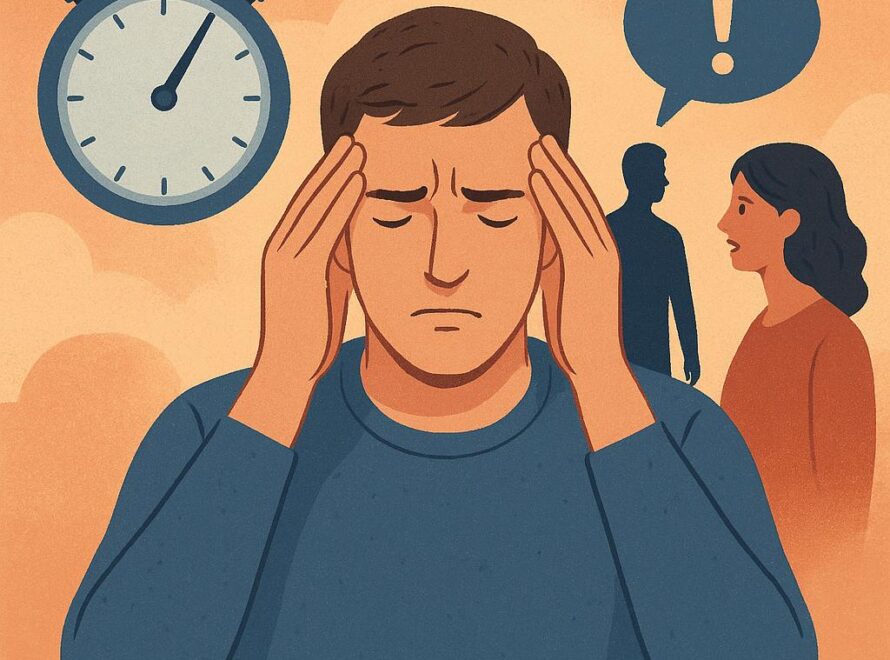
When most people think about erectile dysfunction (ED), they often blame stress, aging, or chronic health conditions like diabetes and heart disease. What’s less commonly recognized is that undiagnosed or “silent” sleep problems can significantly impact sexual health as well.
Conditions such as obstructive sleep apnea and chronic insomnia don’t just leave you feeling tired—they can disrupt hormone balance, circulation, and even mental health, all of which are crucial to an active and satisfying sex life.
“Many men don’t connect poor sleep with poor sexual performance, but the truth is, these issues often go hand-in-hand,” says Dr. Michael Breus, a clinical psychologist and board-certified sleep specialist. “Fix the sleep, and you may also fix the ED.”
In this article, we explore how sleep disorders contribute to erectile dysfunction and what steps you can take to improve both your sleep and sex life.
How Poor Sleep Harms Your Sex Life
Sleep plays a powerful and frequently underestimated role in regulating male sexual function. During deep, restorative sleep, the body performs essential processes like tissue repair, mood stabilization, and most importantly, testosterone production.
A 2011 study published in the Journal of the American Medical Association found that men who slept fewer than five hours per night for just one week experienced a 10 to 15 percent drop in testosterone levels. Since testosterone naturally peaks during early morning hours, even short-term sleep restriction can negatively impact libido, energy, and sexual performance.
In addition to reducing hormone levels, poor sleep raises cortisol (the stress hormone), reduces blood flow, and impairs brain function—all of which contribute to ED. Improving sleep quality activates multiple pathways that can collectively enhance sexual wellness.
What Are “Silent” Sleep Disorders—And Are You at Risk?
“Silent” sleep disorders are conditions that interfere with healthy sleep cycles but often go unnoticed. These disorders don’t always come with obvious signs like loud snoring or waking up fully, making them easy to ignore or misdiagnose.
Two of the most overlooked examples are:
Obstructive Sleep Apnea (OSA): Characterized by repeated brief pauses in breathing while asleep, often caused by relaxed throat muscles. Many people don’t remember waking up, even though their body is disturbed repeatedly throughout the night. Signs include heavy snoring, gasping, and persistent daytime fatigue.
Chronic Insomnia: Defined as difficulty falling or staying asleep at least three times per week for three or more months. Triggers can include stress, anxiety, stimulants, and poor bedtime routines. Insomnia deprives the body of the deep sleep stages necessary for optimal testosterone production.
Combined, these two conditions affect millions of men and often go unnoticed. The Sleep Foundation reports that around 30 million adults in the U.S. have sleep apnea, while countless others endure insomnia episodes regularly.
The Science Behind Sleep Apnea and Erectile Dysfunction
Sleep apnea’s effects go far beyond just feeling tired during the day—it triggers a series of biological events that can directly lead to erectile dysfunction.
According to research published in The Journal of Sexual Medicine, men with moderate to severe untreated sleep apnea are over twice as likely to experience ED compared to their healthier counterparts. Here’s why:
Reduced Blood Oxygen: The breathing interruptions characteristic of sleep apnea decrease oxygen levels, which reduces blood flow to key organs—including the penis.
Lower Nitric Oxide Levels: Nitric oxide helps dilate blood vessels to promote proper circulation. With oxygen drops, nitric oxide production also declines, impairing firm erections.
Hormonal Imbalance: Deep sleep is when the most testosterone is produced. Apnea interrupts deep sleep cycles, stunting testosterone levels critical for sex drive and performance.
Mood and Fatigue: Chronic tiredness boosts cortisol, a stress hormone that contributes to anxiety, low mood, and reduced mental clarity—all of which further harm sexual confidence and function.
Fortunately, using continuous positive airway pressure (CPAP) machines or oral appliances to treat OSA has been linked to improved erectile function in many men.
How Insomnia Worsens Erectile Dysfunction
Unlike sleep apnea, insomnia doesn’t disrupt breathing, but its long-term consequences on sexual health are just as serious.
Here’s how sleepless nights can affect sexual performance:
Reduced Testosterone: Deep sleep stages are essential for hormone production. Insomnia shortens these stages, impacting testosterone levels and subsequently, sexual desire and function.
Weakened Cognitive Function: Constant fatigue from poor sleep clouds judgment, reduces concentration, and lowers overall satisfaction during intimate moments.
Elevated Cortisol: Insomnia is strongly linked to increased stress levels. As stress hormones rise, libido tends to drop. Constant stress also contributes to weaker or less predictable erections.
“When sleep is disrupted, so is everything else—hormones, energy levels, and even emotional intimacy,” explains Dr. Neil Kline of the American Sleep Association.
Watch for These Hidden Signs of a Sleep Disorder
Many men suffering from undiagnosed sleep disorders don’t realize the extent to which poor rest is sabotaging their performance. Here are some common symptoms that may point to a deeper issue:
– Loud snoring, choking, or gasping sounds during sleep
– Daytime drowsiness or difficulty concentrating
– Dry mouth, headache, or night sweats upon waking
– Fragmented sleep or waking up multiple times overnight
– Low mood, irritability, or lack of motivation
– Difficulty falling or staying asleep regularly
If you’re experiencing erectile dysfunction alongside any of these symptoms, consult a sleep specialist. A simple evaluation can uncover a sleep disorder that might be at the root of the problem.
Taking Action: What You Can Do Today to Sleep and Love Better
The encouraging news? Addressing sleep dysfunction can lead to significant improvements not just in health—but in your sex life as well. Here are effective steps to get you started:
See a Healthcare Provider: A sleep study (either at home or in a clinic) can confirm if you have sleep apnea or track patterns of insomnia.
Adopt Sleep-Friendly Habits: Stick to a consistent bedtime, reduce caffeine and screen exposure in the evening, and create a calming nighttime routine to enhance sleep quality.
Use CPAP or Oral Appliances: If diagnosed with OSA, these tools help keep airways open during sleep, restoring oxygen and enhancing both energy and sexual performance.
Try Cognitive Behavioral Therapy (CBT-I): This is the gold standard for treating chronic insomnia. CBT-I addresses thought patterns and behaviors that negatively interfere with sleep—without requiring medication.
Check Your Hormone Levels: If you’re struggling with energy, motivation, or libido, ask your physician about a testosterone test. If levels are low, therapies are available. eDrugstore also offers discreet online options for hormone testing and treatment guidance.
Final Thoughts: Sleep May Be the Missing Link in Your ED Battle
Erectile dysfunction is often multifactorial, but one of the most overlooked contributors is poor sleep. Whether due to undiagnosed sleep apnea, chronic insomnia, or disrupted rest patterns, lack of quality sleep can dramatically affect your sexual health and overall well-being.
While medications may provide temporary relief, long-term solutions often begin with better sleep habits, proper diagnosis, and targeted treatment.
Recognizing and addressing the signs of silent sleep disorders could be your key to restoring energy, vitality, and intimacy. Don’t wait until symptoms worsen—take proactive steps toward better sleep and a healthier, more satisfying sex life.
To learn more about treatment options for ED, testosterone therapy, and expert sleep resources, visit eDrugstore.com.
—
References
1. Leproult, R., & Van Cauter, E. (2011). Effect of 1 week of sleep restriction on testosterone levels in young healthy men. JAMA, 305(21), 2173–2174.
2. Jackson, M. L., et al. (2010). Sleep apnea and erectile dysfunction: Impacts on quality of life. The Journal of Sexual Medicine, 7(3), 1209–1216.
3. Sleep Foundation. (2023). Obstructive Sleep Apnea Statistics and Facts.
4. American Academy of Sleep Medicine. (2022). Cognitive Behavioral Therapy for Insomnia: What You Need to Know.
—
This version is ready to be published on your website or digital platform. If you’d like a downloadable format (PDF or DOCX) or HTML version for CMS input, feel free to request it.