
—
Understanding Erectile Dysfunction Across Relationship Stages
Erectile dysfunction (ED) affects approximately 30 million men in the United States, influencing both physical health and emotional well-being. While physiological factors are often emphasized, considering ED within the relational context is crucial. “Many men experience performance issues that are not solely about physical health,” notes Dr. John Doe, an expert in sexual medicine. Whether ED manifests early or later in a relationship significantly impacts diagnosis and treatment approaches. This article explores how clinicians differentiate between these scenarios and the implications for managing ED.
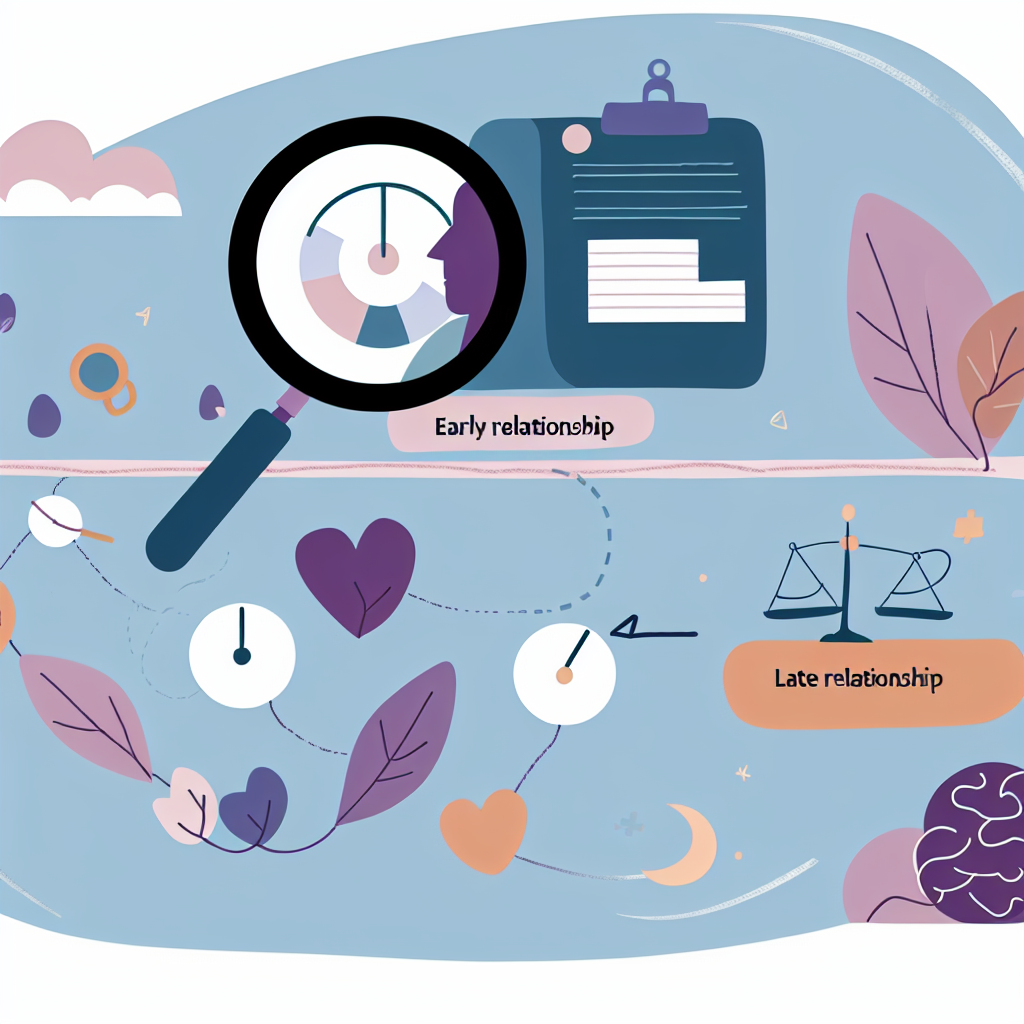
Early-Stage Relationship ED: Uncovering the Psychological Factors
In the early phases of a new relationship, partners are building bonds and forming trust. During this period, ED often arises from psychological factors such as performance anxiety, fear of rejection, and concerns about meeting a partner’s expectations. For example, a young man might encounter erection issues stemming from the pressure to impress a new partner, which exacerbates anxiety and leads to performance problems. Clinicians address early-stage relationship ED by examining the patient’s emotional state and life changes. A comprehensive sexual history and tools like the Sexual History and Lifestyles Interview (SHLI) can help identify anxiety or stress (Smith et al., 2021).
Later-Stage Relationship ED: Focusing on Physiological Causes
As relationships mature and anxiety decreases, ED in established partnerships often points to physiological factors like cardiovascular diseases, diabetes, or hormonal imbalances. Age-related factors also play a significant role. Dr. Jane Smith, a cardiologist, states, “A healthy heart is key to healthy erectile function.” Clinicians explore these physiological origins through medical evaluations, emphasizing physical health, underlying conditions, and lifestyle factors. Tests such as blood analyses for hormone levels or cardiovascular assessments can detect organic causes early (Johnson, 2020).
The Interplay Between Psychological and Physiological Factors
Although categorizing ED by relationship stage can illuminate issues, it’s essential to consider the interplay between psychological and physiological factors. An individual may initially experience ED due to psychological reasons, which can develop into physiological problems if left unresolved. Understanding this dynamic requires reevaluating both factors throughout treatment, irrespective of the relationship stage.
Implications for Diagnosis: Customized Approaches
Recognizing the relationship phase where ED appears allows for tailored diagnoses. For instance, early-stage ED interventions might focus on reducing anxiety and enhancing communication with the partner. Techniques such as cognitive-behavioral therapy (CBT) or sex therapy can be effective in these situations. Conversely, addressing later-stage ED requires focusing on physiological health through interventions like medication adjustments or lifestyle changes, including dietary improvements. Phosphodiesterase type 5 inhibitors (PDE5i) might also be part of the treatment strategy (Lee & Kim, 2019).
Coordinating Care: Partner Inclusion in Treatment
Involving both partners in treatment strategies is crucial. Open dialogue can relieve pressure and promote trust. For early-stage ED, it helps reduce performance anxiety, whereas for later-stage ED, partner support assists with practical lifestyle changes.
Innovative Treatments and Comprehensive Management
Emerging treatments such as shockwave therapy and platelet-rich plasma injections offer innovative options for individuals unresponsive to traditional methods. Additionally, advancements in telehealth provide greater access to therapy, facilitating ongoing treatment engagement for couples (Brown & Williams, 2022).
Conclusion: Navigating ED in Different Relationship Stages
Understanding ED across relationship stages provides a vital framework for personalized treatment, thereby enhancing outcomes and satisfaction. With insights into the psychological and physiological aspects and awareness of relationship dynamics, clinicians can offer more comprehensive management strategies. As research and telehealth continue to advance, there’s potential for significant improvements in the quality of life for individuals dealing with ED, leading to healthier relationships.
**References**
1. Smith, A., et al. (2021). Psychological evaluation in erectile dysfunction. Journal of Sexual Medicine.
2. Johnson, R. (2020). Cardiovascular health and erectile function. American Heart Association.
3. Lee, H., & Kim, J. (2019). Use of PDE5 inhibitors in ED management. Clinical Pharmacology Reviews.
4. Brown, P., & Williams, D. (2022). Technological advances in ED treatment. Journal of Innovative Medical Practices.
—