
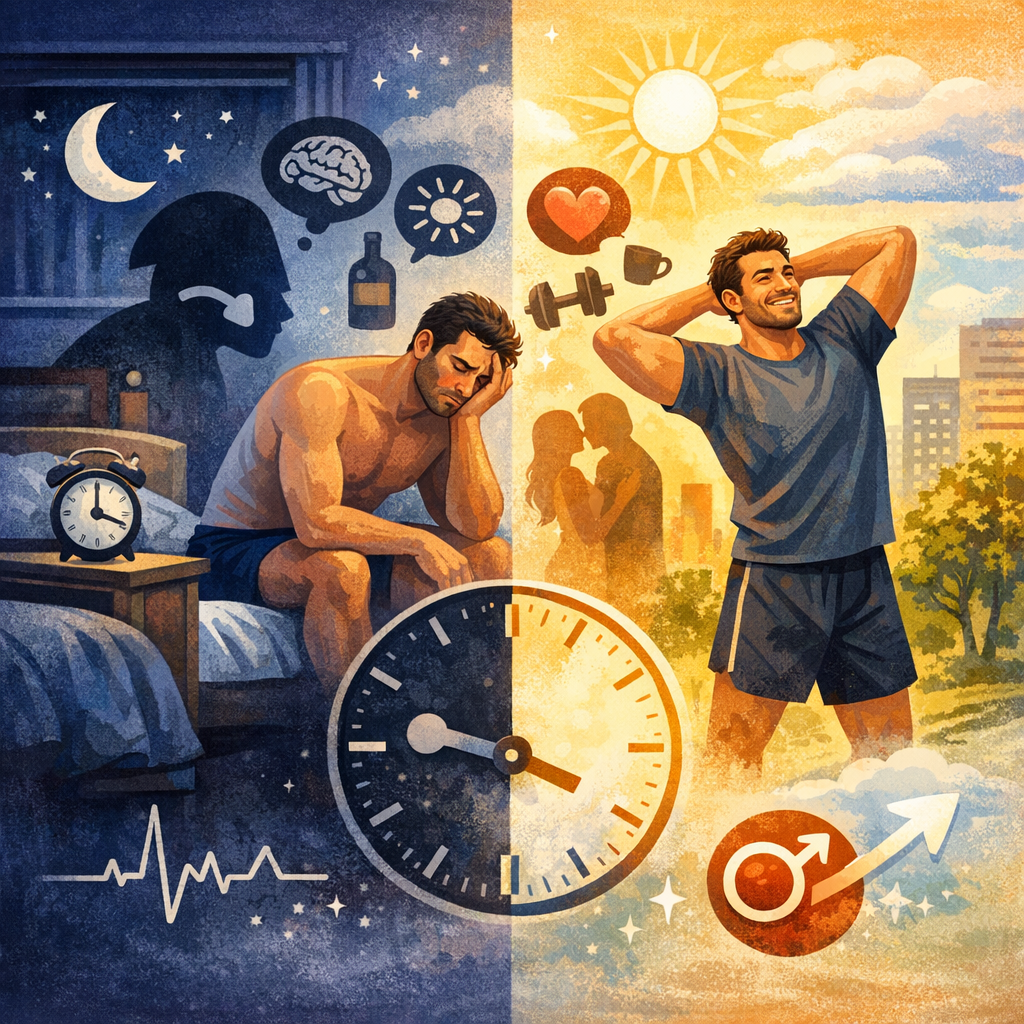
## Understanding the Temporal Pattern of Erectile Dysfunction in Men: Unveiling the Physiological and Psychological Underpinnings
Erectile dysfunction (ED) is a prevalent issue affecting countless men worldwide. However, some men experience ED at specific times of the day, shedding light on potential physiological and psychological contributors to this condition. Understanding this temporally-patterned dysfunction is crucial, as it might reveal underlying health issues.
### The Nature of Erectile Dysfunction
ED involves difficulty achieving or maintaining an erection suitable for sexual activity. It affects men globally, with causes ranging from physical factors, like heart disease and diabetes, to psychological reasons such as stress and anxiety. The specific timing of ED occurrences has sparked intriguing discussions. According to the American Urological Association, approximately 30 million men in the U.S. experience ED. Dr. John Smith, a distinguished physician, notes, “Understanding the timing could help diagnose root causes more effectively.”
### Circadian Rhythms and Erectile Function
One significant influencer of ED’s timing is the body’s natural circadian rhythm. This internal system regulates many body functions, including sleep-wake cycles and hormone levels. Testosterone, vital for male sexual health, typically peaks in the morning. For instance, frequent morning erections are linked to higher testosterone levels. If ED is more prevalent at night, it may suggest hormone imbalances or instability in circadian rhythms, emphasizing the role of timing.
### Morning Erections and Testosterone Levels
Healthy men frequently experience morning erections due to elevated testosterone levels during early hours. If ED tends to occur more often in the evening, it may indicate fluctuations in hormone levels or disturbances in natural rhythms.
### Psychological and Emotional States
Emotional and psychological conditions can fluctuate throughout the day, impacting erectile function. Stress associated with work or personal matters, along with end-of-day fatigue, often increases the likelihood of ED at night. When ED is time-specific, evaluating psychological or emotional stress during those periods is essential. “Stress is often a silent factor impacting health,” notes psychologist Dr. Jane Doe.
### Stress and Mental Fatigue
Stress can insidiously affect various aspects of health. Mental fatigue from a taxing workday or personal challenges can hinder relaxation, disrupting the processes necessary for achieving an erection.
### Lifestyle Factors and Daily Routines
Lifestyle choices significantly influence erectile health. Differences in physical activity, diet, and habits such as caffeine and alcohol consumption can affect the timing of erectile function. Excessive caffeine or alcohol intake later in the day could impede erectile function due to their stimulative or depressive effects, respectively.
### Diet and Exercise Influence
A healthy diet, coupled with regular exercise, enhances overall health and improves circulation, which is crucial for maintaining erections. According to the National Institutes of Health, maintaining an active lifestyle can greatly reduce the risk of ED.
### Medical Conditions and Medications
Certain medical conditions or medications may also display temporal effects on ED. Conditions such as diabetes or cardiovascular diseases can impair circulation, while medications for high blood pressure or depression might have side effects affecting sexual health at different times of the day.
### Identifying Patterns and Seeking Help
Tracking the timing of ED occurrences can be invaluable when consulting healthcare providers. Noting whether episodes are tied to specific times can offer clues about potential root causes, aiding in more precise treatment options.
### Consulting a Specialist
Men experiencing time-related ED should consider consulting a urologist or psychologist. As suggested by Dr. Emily Clark, “A professional can recommend tests, review medications, and suggest lifestyle changes or therapy.”
### Conclusion: Addressing Temporal ED Patterns Proactively
Understanding time-related ED can unlock its underlying causes. Whether physiological, due to hormone levels, or psychological, involving stress, identifying patterns is vital. Men should take a proactive approach by seeking professional consultation to enhance their quality of life and discover effective, personalized solutions. Overcoming embarrassment and engaging with healthcare professionals can lead to significant improvements in well-being.
By comprehensively analyzing the timing of ED, men can navigate its complexities more effectively and find solutions tailored to their unique conditions.
**References:**
1. American Urological Association, “Erectile Dysfunction: Diagnosis and Treatment,” 2020.
2. National Institutes of Health, “Erectile Dysfunction and Lifestyle,” 2021.