
SEO_TITLE:
Diagnosing Primary ED: Mixed Nerve and Blood Signals
SEO_DESCRIPTION:
Mixed nerve and blood signals complicate the diagnosis of primary erectile dysfunction, making it a challenge for healthcare providers.
FOCUS_KEYPHRASE:
mixed nerve and blood signals
SLUG:
mixed-nerve-and-blood-signals-ed
SOCIAL_TITLE:
Mixed Signals Make ED Diagnosis Complex
SOCIAL_DESCRIPTION:
Understand how mixed nerve and blood signals can make diagnosing primary erectile dysfunction challenging, and explore the complexities involved.
WORDPRESS_TITLE:
Mixed Nerve and Blood Signals in Diagnosing Primary Erectile Dysfunction
ARTICLE_HTML:
Diagnosing Primary Erectile Dysfunction: The Role of Mixed Nerve and Blood Signals
Understanding Erectile Dysfunction
Erectile dysfunction (ED) is a condition that affects a significant number of men worldwide. Characterized by the inability to achieve or maintain an erection sufficient for sexual intercourse, ED can be influenced by a complex interplay of factors, including physical, psychological, hormonal, and neurological elements.
Mixed Nerve and Blood Signals: A Diagnostic Challenge
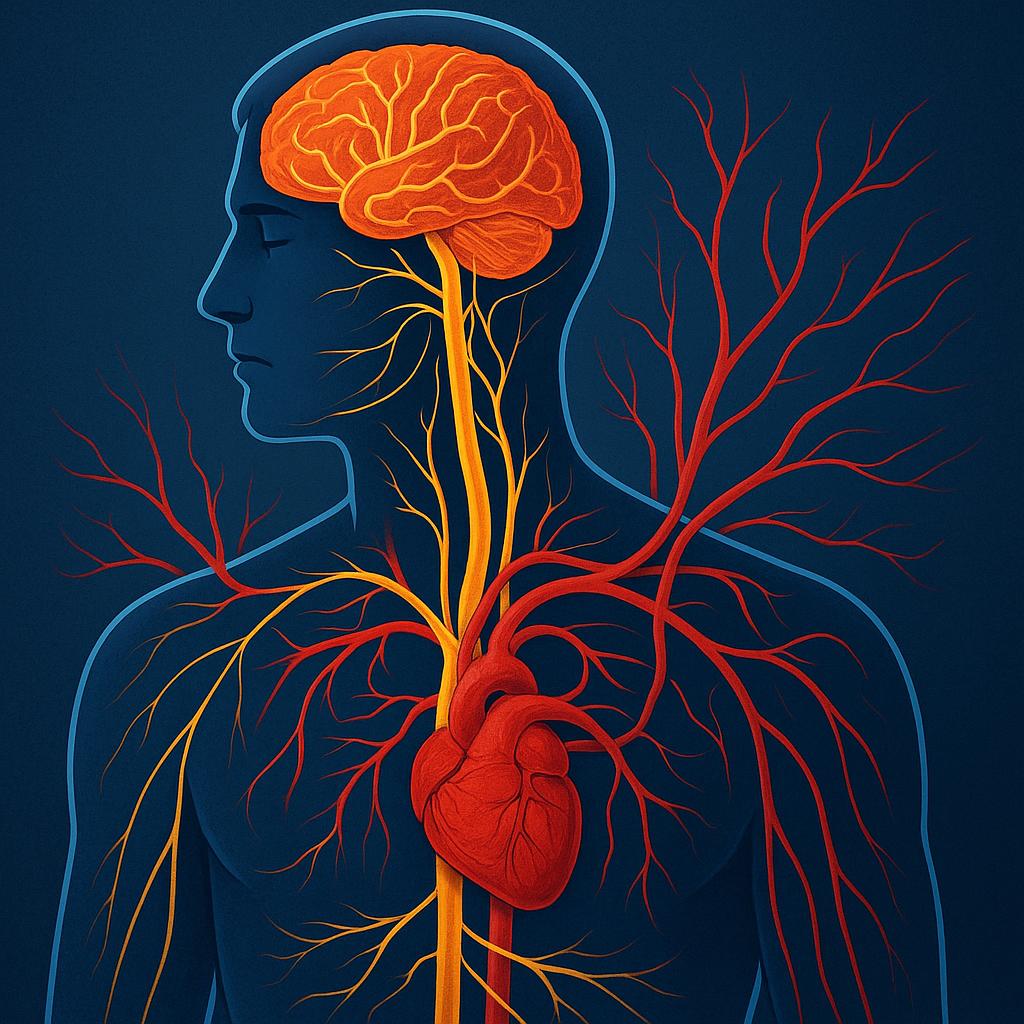
Among the intricate factors involved in erectile dysfunction, mixed nerve and blood signals pose a considerable challenge in diagnosing primary ED. The condition involves both the central and peripheral nervous systems, as well as vascular elements that contribute to the blood flow essential for an erection.
The vasculature, nerves, and muscles work together to enable an erection. Any disruption in these systems can lead to ED, making it essential to accurately diagnose the root cause. The involvement of mixed signals from nerves and blood vessels complicates this process, as it may not be immediately apparent which system is causing the dysfunction.
Understanding the Role of Nerve Signals
Nerve signals play a crucial role in initiating and maintaining an erection. When a man is sexually stimulated, nerve impulses trigger the relaxation of smooth muscle in the penis, allowing for increased blood flow. This complex process can be disrupted by neurological disorders, injuries, or even lifestyle factors such as stress and anxiety, leading to ED.
The Importance of Vascular Health
Blood flow is another critical element in achieving an erection. Conditions that affect vascular health, such as hypertension, diabetes, or atherosclerosis, can impede the necessary increase in blood flow. When blood vessels are unable to expand adequately or remain constricted, the ability to maintain an erection is compromised.
Diagnostic Approaches
Accurate diagnosis of ED requires a comprehensive evaluation to determine whether nerve changes, vascular issues, or a combination of both are contributing to the condition. Physicians often use diagnostic tools such as penile Doppler ultrasound, which can assess blood flow, or neurophysiological tests, which evaluate nerve function.
This diagnostic approach helps identify the underlying causes, whether they are neurological, vascular, or a blend. Understanding the specific etiology is essential for developing an effective treatment plan tailored to the patient’s needs.
Treatment Considerations
Treatment for erectile dysfunction must address the mixed signals involved. Management strategies may include medications like phosphodiesterase inhibitors, which enhance blood flow, or therapy to address psychological factors. For some patients, lifestyle changes—such as improving diet, increasing physical activity, or managing stress—can significantly improve symptoms.
In cases where a clear neurological or vascular cause is identified, targeted treatments such as surgery or specific medical therapies might be considered. However, these interventions require thorough medical evaluation and discussion with healthcare professionals.
Conclusion
Diagnosing primary erectile dysfunction is a complex process due to mixed nerve and blood signals. Understanding the intricate balance between these systems is crucial for accurate diagnosis and effective treatment. Patients experiencing symptoms of erectile dysfunction should seek professional medical advice to explore the underlying causes and appropriate management strategies.
References
National Institute of Diabetes and Digestive and Kidney Diseases. Erectile Dysfunction.
Mayo Clinic. Erectile Dysfunction.
Cleveland Clinic. Erectile Dysfunction.
Urology Care Foundation. Erectile Dysfunction.
American Urological Association. Erectile Dysfunction.