Cold Hands, Feet, and Erectile Dysfunction: Understanding the Vascular Connection
Understanding Cold Hands, Feet, and Erectile Dysfunction
Cold hands and feet in individuals with erectile dysfunction (ED) may signal underlying vascular issues rather than being linked to stress. The connection between impaired blood flow and these symptoms is a crucial aspect of men’s health that warrants attention. When blood circulation is compromised, it can affect various bodily functions, hinting at broader vascular concerns.
The Vascular Connection
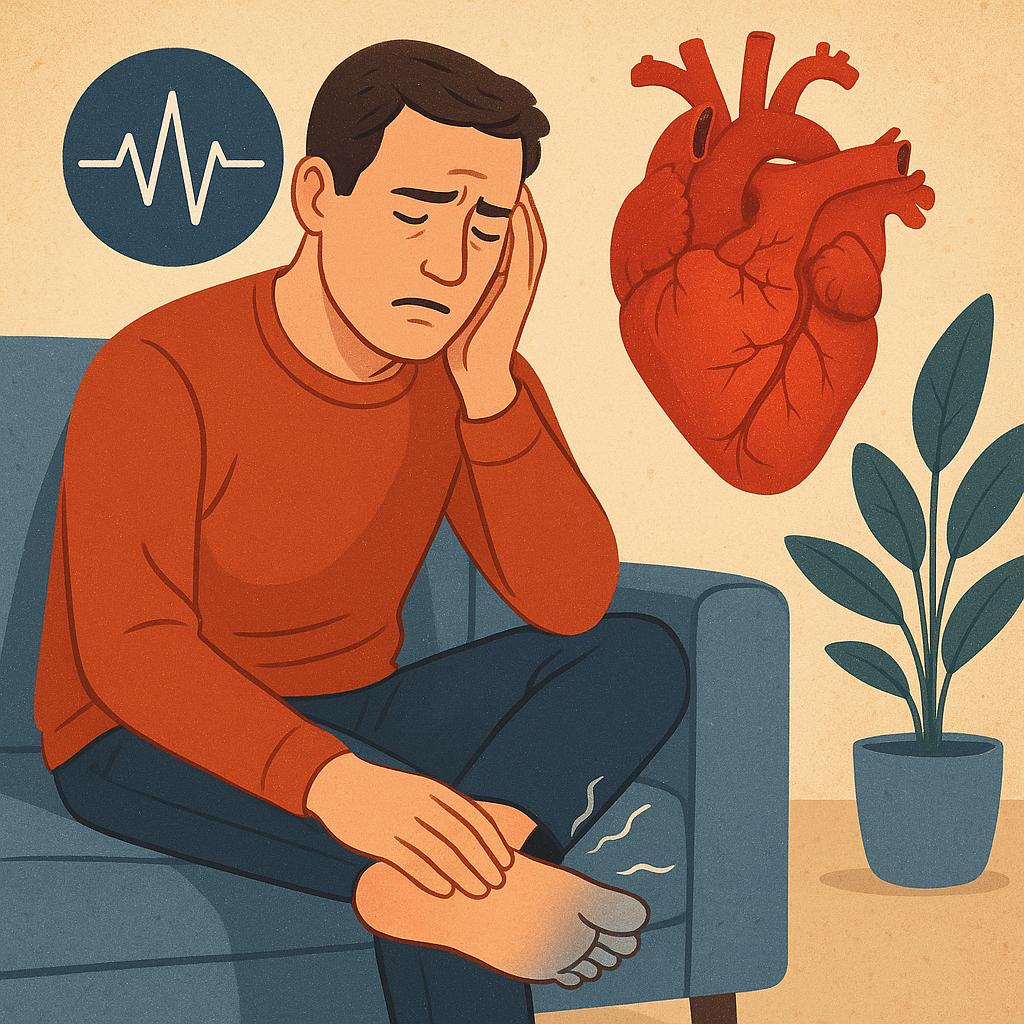
Blood circulates throughout the body, delivering essential nutrients and oxygen. When there is diminished circulation, it may result in cold extremities. This is often due to reduced blood flow to certain areas, a common characteristic of vascular problems. Similarly, vascular health plays a significant role in erectile function. Adequate blood supply to the penile region is necessary for achieving and maintaining erections.
Erectile dysfunction itself can be attributed to various vascular conditions, such as atherosclerosis or peripheral artery disease. These conditions lead to narrowed blood vessels, restricting blood flow and contributing to both ED and cold extremities.
Identifying Symptoms and Possible Causes
Recognizing the symptoms of poor circulation is essential for individuals experiencing both cold hands or feet and ED. Symptoms may include numbness, tingling, or a bluish tint in the skin. These signs highlight the need for further medical evaluation to identify any underlying vascular conditions.
In addition to atherosclerosis, other health issues like diabetes or high cholesterol can contribute to impaired circulation. These conditions further stress the vascular system, exacerbating symptoms associated with ED.
Diagnosis and Treatment Options
Diagnosing the cause of cold extremities and ED requires a comprehensive approach, often including a review of medical history, physical examination, and specialized tests to assess blood flow. Health professionals may utilize ultrasound or Doppler tests to evaluate circulation efficiency.
Once vascular issues are identified as the underlying cause, treatment options can be discussed. Lifestyle changes such as diet, exercise, and smoking cessation can improve vascular health. In some cases, medications that enhance blood flow might be prescribed. Medicines like phosphodiesterase type 5 inhibitors are commonly used to manage ED and can also alleviate symptoms of poor circulation when appropriate.
Preventive Measures and Health Management
Preventive measures are essential for managing vascular health and mitigating symptoms associated with cold extremities and ED. Regular exercise and a balanced diet rich in fruits, vegetables, and whole grains can promote better circulation. Monitoring cholesterol levels and maintaining a healthy weight are also effective strategies in safeguarding vascular health.
Regular medical check-ups are crucial for early detection and management of conditions that affect circulation. Engaging with healthcare professionals through telemedicine also provides an accessible platform for continuous health monitoring and personalized advice.
References
National Institute of Diabetes and Digestive and Kidney Diseases. Erectile Dysfunction.
Mayo Clinic. Erectile Dysfunction.
Cleveland Clinic. Erectile Dysfunction.
American Urological Association. Erectile Dysfunction.
Mayo Clinic. Peripheral artery disease (PAD).