
Understanding Dehydration and Its Impact on Temporary Erectile Dysfunction
The Relationship Between Dehydration and Temporary ED
Dehydration temporary ED water intake are interconnected topics that highlight the importance of proper hydration in maintaining men’s sexual health. Erectile dysfunction (ED) is a common condition that affects many men, characterized by the inability to achieve or maintain an erection sufficient for satisfactory sexual performance. While there are numerous underlying causes, including vascular, hormonal, neurological, and psychological factors, dehydration stands out as a less commonly considered but impactful contributor.
How Dehydration Contributes to Erectile Dysfunction
Dehydration occurs when the body loses more fluids than it takes in, leading to a deficiency that can impair bodily functions. Adequate hydration is crucial for maintaining blood volume and ensuring proper blood circulation. Blood flow is essential for achieving and maintaining an erection, as erectile function largely depends on the vascular system’s ability to deliver blood to the penile tissue. When the body is dehydrated, reduced blood volume can lead to decreased blood flow, potentially resulting in temporary erectile difficulties.
Recognizing Symptoms of Dehydration
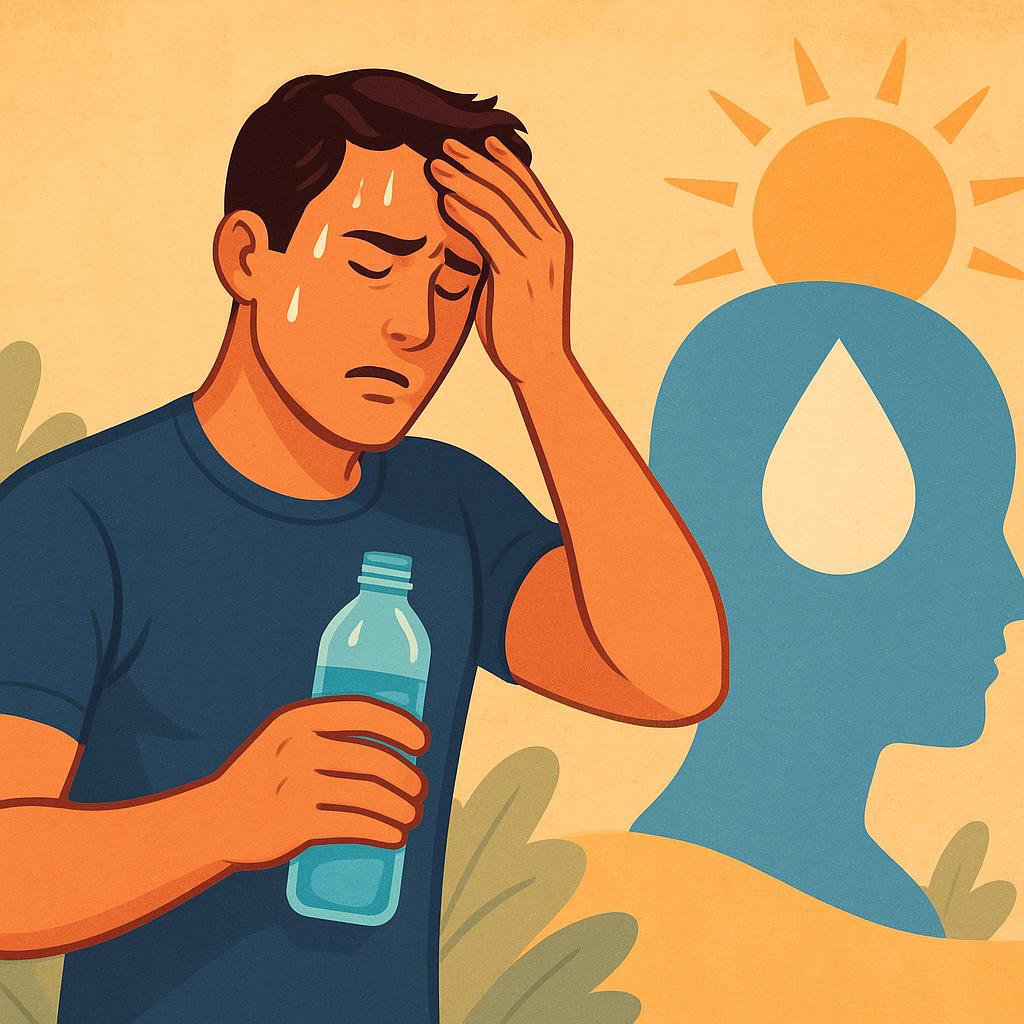
Understanding the symptoms of dehydration is essential for addressing this reversible cause of erectile dysfunction. Common signs of dehydration include thirst, dry mouth, headache, dizziness, and fatigue. In addition to these typical symptoms, dehydration can also reduce physical and cognitive performance, making it challenging for men to achieve optimal erectile function. Recognizing these symptoms early and taking steps to rehydrate can help mitigate the impact on sexual health.
The Impact of Water Intake on Sexual Health
Ensuring an adequate daily intake of water is a simple yet effective strategy for maintaining good sexual health and preventing dehydration-related erectile dysfunction. The recommended daily water consumption varies depending on factors such as age, sex, weight, and activity level, but a general guideline is to aim for about 8 to 10 glasses per day. Consistent hydration helps maintain blood volume and supports optimal circulation, both of which are critical for proper erectile function.
Integrating Hydration into Your Health Regimen
Incorporating water intake into your daily routine can be a proactive measure to support erectile health. Start by carrying a water bottle with you throughout the day as a reminder to drink regularly. Monitor your fluid intake, especially during exercise or in hot weather conditions when fluid loss may increase. Additionally, incorporating foods with high water content, such as fruits and vegetables, can further support your hydration goals.
Consulting Healthcare Professionals
While increasing water intake is a beneficial practice for overall health and may alleviate dehydration-induced erectile dysfunction, it is crucial to consult a healthcare professional for personalized advice. Other medical conditions, medications, or lifestyle factors could contribute to ED, necessitating a comprehensive evaluation and treatment plan. Telemedicine has made consulting with specialists easier, providing convenient access to professional advice from the comfort of your home.
References
Mayo Clinic. Erectile Dysfunction.
National Institute of Diabetes and Digestive and Kidney Diseases. Erectile Dysfunction.
Cleveland Clinic. Erectile Dysfunction.
Urology Care Foundation. Erectile Dysfunction.
Centers for Disease Control and Prevention. About Sleep and Sleep Disorders.