
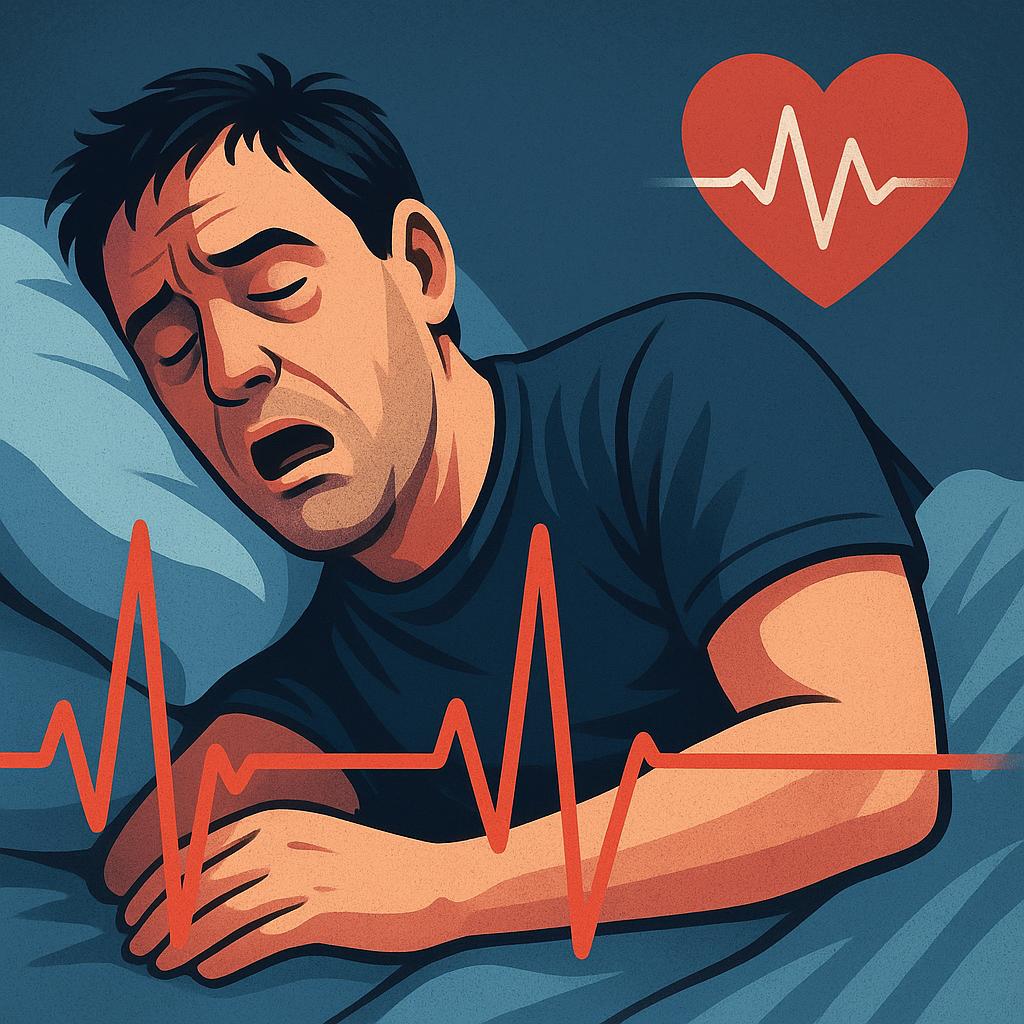
Understanding Sleep Apnea’s Impact on Heart Rhythms
Understanding the Connection Between Sleep Apnea and Irregular Heart Rhythms
Sleep apnea is a prevalent condition characterized by repeated interruptions in breathing during sleep. This disruption can have significant effects on various bodily functions, particularly heart health. Understanding the link between sleep apnea and irregular heart rhythms can aid in preventing potential complications.
What Is Sleep Apnea?
Sleep apnea manifests in two primary forms: obstructive sleep apnea (OSA) and central sleep apnea (CSA). OSA involves airway blockage during sleep, whereas CSA arises from the brain’s failure to control breathing. Both types can significantly impact sleep quality and overall health.
Understanding Irregular Heart Rhythms
Irregular heart rhythms, or arrhythmias, occur when the electrical signals coordinating heartbeats are disrupted. This can lead to too fast, too slow, or erratic heartbeats. Arrhythmias can be benign but may also indicate underlying health issues requiring medical attention.
Linking Sleep Apnea to Heart Rhythms
The relationship between sleep apnea and irregular heart rhythms is complex. Recurrent breathing disruptions during sleep can result in decreased oxygen levels, stressing the cardiovascular system. This stress may contribute to arrhythmias, particularly in individuals with preexisting heart conditions.
Symptoms and Impact
Common symptoms of sleep apnea include loud snoring, daytime sleepiness, and observed pauses in breathing during sleep. Individuals with irregular heart rhythms might experience palpitations, dizziness, and fatigue. Recognizing these symptoms is crucial for early intervention.
Diagnosis and Evaluation
Diagnosis of sleep apnea often involves polysomnography or sleep studies, which monitor breathing and other body functions during sleep. Arrhythmias may be evaluated through electrocardiograms (ECG) or Holter monitors. Proper diagnosis is essential for effective management and prevention of further complications.
Treatment Options
Treatment of sleep apnea often begins with continuous positive airway pressure (CPAP) therapy, which keeps the airway open during sleep. Lifestyle changes, such as weight loss and positional therapy, may also be recommended. Arrhythmias might be managed with medications, lifestyle modifications, or in some instances, surgical interventions.
The Role of Telemedicine
Telemedicine plays a pivotal role in managing sleep apnea and heart conditions, offering patients convenient access to healthcare providers. Remote monitoring tools enable ongoing assessment of symptoms and treatment efficacy, enhancing patient outcomes and adherence to therapy.
Conclusion
Recognizing and addressing sleep apnea can be vital in reducing the risk of developing irregular heart rhythms. Early interventions and personalized treatment plans, facilitated by advancements in telemedicine, provide hope for improved health outcomes. If you suspect you have sleep apnea or arrhythmias, seeking medical attention can guide you on the path to better health.
References
Cleveland Clinic. Obstructive Sleep Apnea.
Mayo Clinic. Sleep Apnea.
Centers for Disease Control and Prevention. About Sleep and Sleep Disorders.
National Institute of Diabetes and Digestive and Kidney Diseases. Erectile Dysfunction.
Mayo Clinic. Erectile Dysfunction.
Cleveland Clinic. Erectile Dysfunction.
Urology Care Foundation. Erectile Dysfunction.
American Urological Association. Erectile Dysfunction.
