Nighttime Screen Exposure and Sleep Disruption
Introduction to Nighttime Screen Exposure
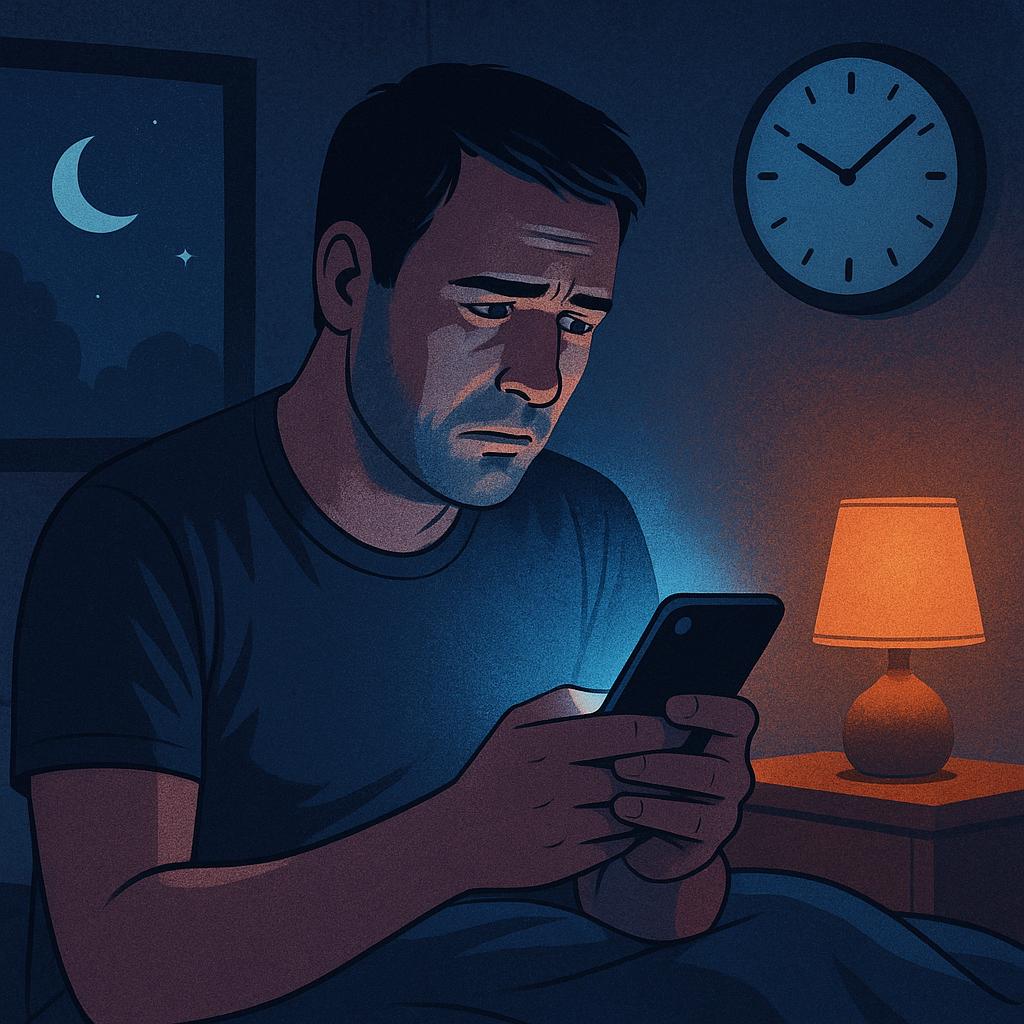
In the age of digital technology, nighttime screen exposure has become an unavoidable aspect of daily life. Whether it’s the last-minute check of your emails, social media scrolling, or using devices for work, screens are a constant presence. However, this exposure, particularly before bedtime, may confuse your body’s natural sleep signals, potentially affecting overall health and conditions like erectile dysfunction.
The Science Behind Sleep Signals
Our sleep-wake cycle is regulated by various factors, including exposure to light. Natural light helps manage this cycle, as it influences the production of the sleep hormone, melatonin. This hormone is crucial for maintaining the circadian rhythm—a natural, internal process that regulates the sleep-wake cycle, repeating roughly every 24 hours. Exposure to light from screens at night can suppress melatonin production, delaying sleep onset and altering sleep quality.
Impact of Nighttime Screen Exposure on the Body
Prolonged exposure to the blue light emitted by screens not only delays sleep onset but can also lead to decreased sleep duration and quality. Poor sleep is associated with a plethora of health issues, including mental health disorders, obesity, and cardiovascular diseases. It can also contribute to hormonal imbalances, which may exacerbate or lead to erectile dysfunction—a concern prevalent among many men.
Nighttime Screen Exposure and Erectile Dysfunction
Erectile dysfunction can have various origins, including physical, hormonal, vascular, neurological, and psychological factors. Recent studies suggest that poor sleep quality, influenced by nighttime screen exposure, may be a contributing factor. Sleep is essential for the regulation of several hormones, including testosterone, which plays a crucial role in male sexual health. Reduced sleep may lead to decreased testosterone levels, further impacting erectile function.
Practical Steps to Mitigate Screen Exposure Effects
To reduce the adverse effects of screens on sleep, consider adopting a digital curfew, such as switching off electronic devices at least an hour before bed. Implementing screen filters or blue light blocking applications can also help minimize exposure. Ensuring your bedroom environment is conducive to sleep—cool, quiet, and dark—can further aid in preserving sleep quality.
Telemedicine and Men’s Health
With the rise in telemedicine, addressing sleep-related issues and conditions such as erectile dysfunction has become more accessible. Online consultations can provide a convenient platform for discussing symptoms and exploring treatment options, tailored to individual needs. Utilizing these services can help identify lifestyle modifications or medical interventions necessary for improved health outcomes.
Conclusion
Understanding the role of nighttime screen exposure in disrupting sleep signals is crucial for promoting better health outcomes. By making informed changes to daily habits and utilizing resources like telemedicine, individuals can mitigate these effects and improve their overall well-being. While more research is required to fully delineate the relationship between screen exposure and conditions like erectile dysfunction, taking proactive steps in managing screen time can foster healthier sleep patterns.
References
National Institute of Diabetes and Digestive and Kidney Diseases. Erectile Dysfunction.
Mayo Clinic. Sleep Apnea.
Cleveland Clinic. Obstructive Sleep Apnea.
Centers for Disease Control and Prevention. About Sleep and Sleep Disorders.