Night Shift Work and Prostate Cancer Risk Linked to Circadian Misalignment
Understanding Circadian Rhythms and Health Implications
The concept of circadian rhythms is integral to understanding how night shift work might influence prostate cancer risk. Circadian rhythms are the natural physical, mental, and behavioral changes that follow a daily cycle, primarily influenced by light and darkness in the environment. They regulate sleep-wake cycles, hormone release, and other vital bodily functions.
Disruption of these rhythms, common among night shift workers, has been linked to various health issues. Potential consequences include sleep disorders, metabolic syndrome, cardiovascular diseases, and even certain types of cancer, as current research suggests.
Prostate Cancer and Night Shift Work
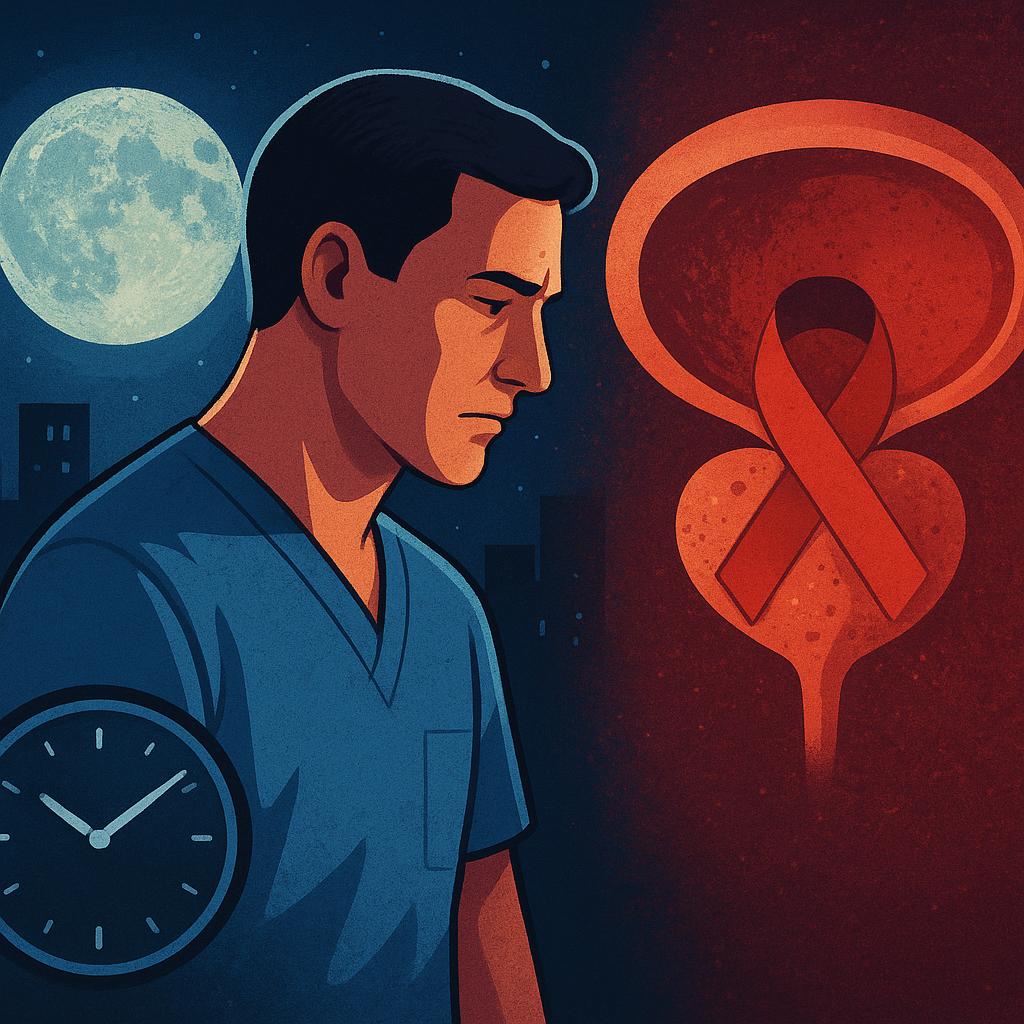
Prostate cancer is a significant health concern, being one of the most diagnosed cancers in men. Recent studies have raised the question of whether night shift work could be a contributing factor due to the disruption of circadian rhythms.
Circadian misalignment, caused by irregular sleep patterns and exposure to light during nighttime hours, might affect hormone levels such as melatonin. Melatonin, a hormone that regulates sleep, is often reduced in those who work night shifts. Its disruption is speculated to contribute to an increased risk of cancer, although more research is needed to establish a clear causal link.
Effects on Hormones and Cellular Function
The hypothesis behind the potential link between night shift work and prostate cancer involves hormonal changes and their effects on cellular functions. Melatonin has properties that regulate cell proliferation and scavenge free radicals, potentially protecting cells from cancerogenic processes.
Further, night shift work could lead to decreased exposure to natural light during the day, affecting the body’s vitamin D levels. This vitamin is essential for maintaining healthy cellular processes, including those that control abnormal cell growth in the prostate gland.
Research and Findings
While several epidemiological studies suggest an association between night shift work and increased prostate cancer risk, the evidence remains inconclusive. The complexity of cancer development and the myriad of influencing factors make it challenging to isolate the impact of circadian disruption as a singular cause.
Nonetheless, the International Agency for Research on Cancer (IARC) has classified night shift work that involves circadian disruption as a probable carcinogen, highlighting the ongoing concern among health professionals.
Implications for Men’s Health and Preventive Strategies
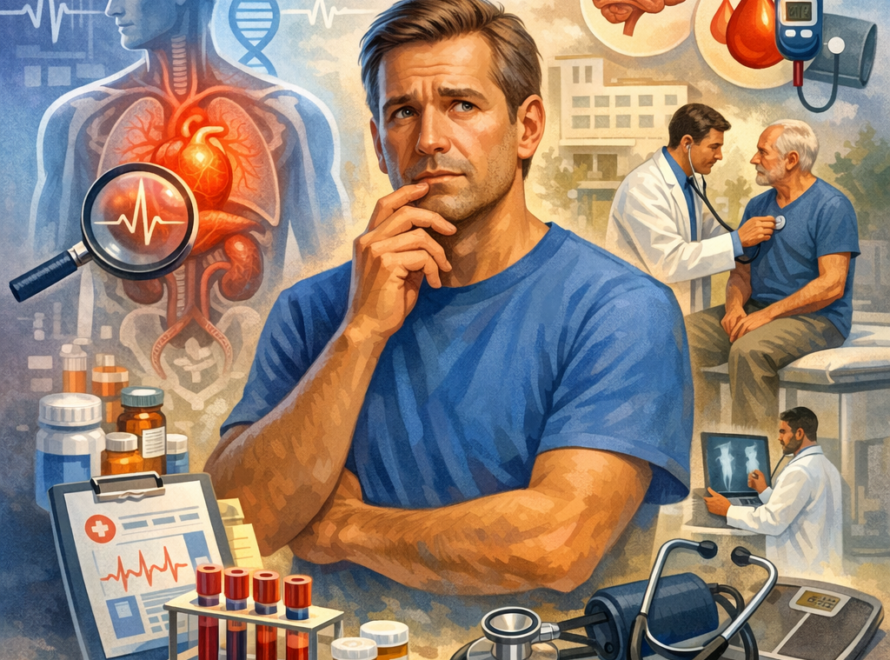
Given the potential association between night shift work and prostate cancer risk, men working in such environments should consider preventive strategies to mitigate health risks. Regular medical check-ups and cancer screening can allow for early detection and better management of potential health issues.
Incorporating lifestyle modifications that promote healthy circadian rhythms is also advisable. This may include maintaining regular sleep schedules on non-workdays, ensuring adequate exposure to natural daylight, and practicing good sleep hygiene.
Conclusion
While evidence on the link between night shift work and prostate cancer remains emergent, understanding circadian rhythms’ role in health is vital. Further research is necessary to clarify this association and guide effective preventive measures. Men engaged in night shift work are encouraged to remain vigilant about their health and seek regular medical advice to address potential risks.
References
American Cancer Society. Prostate Cancer.
Centers for Disease Control and Prevention. About Sleep and Sleep Disorders.
National Institute of Diabetes and Digestive and Kidney Diseases. Erectile Dysfunction.
Mayo Clinic. Sleep Apnea.
Urology Care Foundation. Erectile Dysfunction.