
SEO_TITLE:
Home PSA Tests: Tracking Prostate Health
SEO_DESCRIPTION:
Explore the accuracy of home PSA tests in monitoring prostate health changes. Understand their role, benefits, and limitations in men’s health management.
FOCUS_KEYPHRASE:
Home PSA tests
SLUG:
home-psa-tests-prostate-health
SOCIAL_TITLE:
Can Home PSA Tests Monitor Prostate Health?
SOCIAL_DESCRIPTION:
Learn about the potential of home PSA tests in detecting prostate health changes. Are they a reliable tool for monitoring and managing men’s health?
WORDPRESS_TITLE:
Can Home PSA Tests Accurately Predict Changes in Prostate Health Over Time?
ARTICLE_HTML:
Home PSA Tests: Monitoring Prostate Health
Understanding Home PSA Tests
Prostate-specific antigen (PSA) tests are commonly used to screen for prostate issues, including cancer. Home PSA tests have emerged as a convenient alternative for monitoring prostate health. These tests are designed to provide quick and easy results, allowing men to track their PSA levels over time. But are these tests accurate enough to predict changes in prostate health?
How Home PSA Tests Work
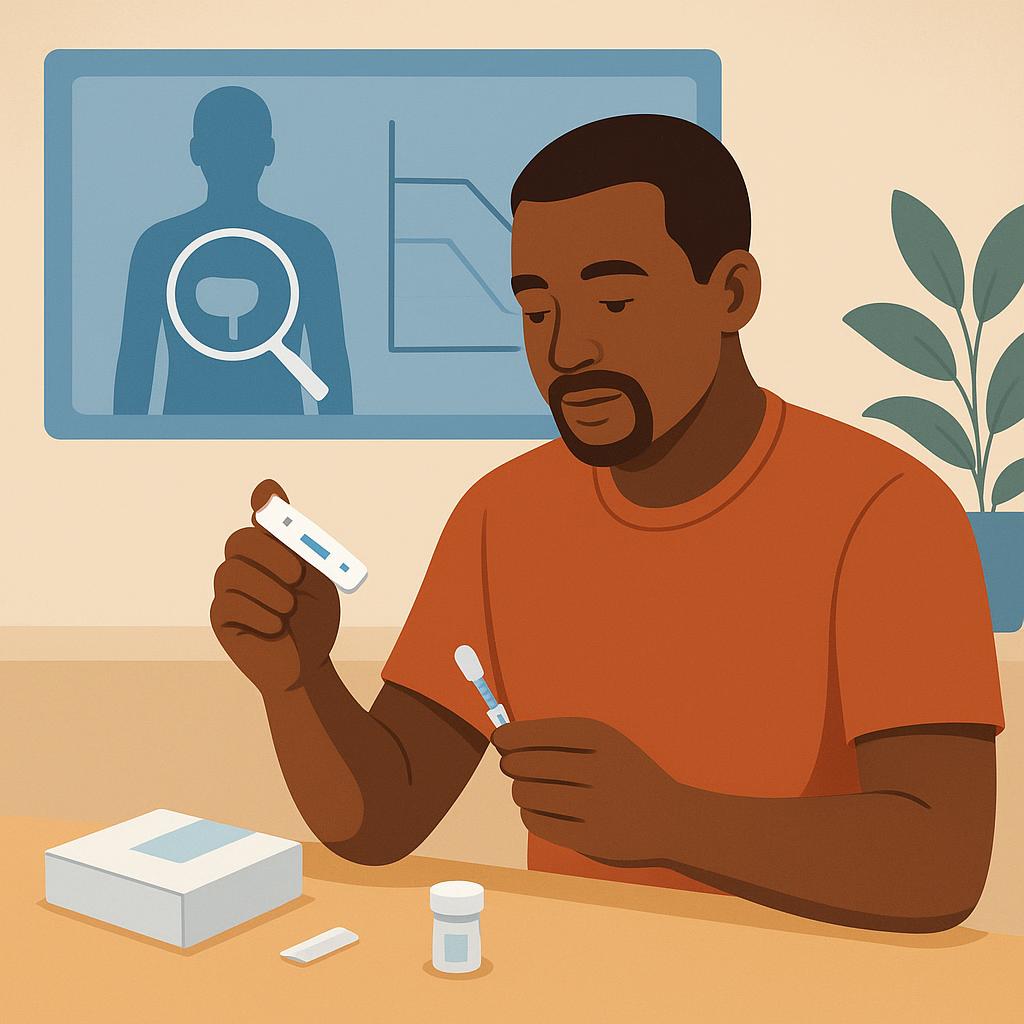
Home PSA tests typically involve collecting a small blood sample through a finger prick. The sample is then applied to a test strip or sent to a laboratory for analysis. The primary function of the PSA test is to measure the level of prostate-specific antigen in the blood, which can be an indicator of prostate health issues such as prostate cancer, benign prostatic hyperplasia, or prostatitis.
Accuracy of Home PSA Tests
The accuracy of home PSA tests can vary depending on the brand and method used. Some tests may offer results that align closely with those performed in a clinical setting, but others may not be as reliable. The variability in accuracy may stem from differences in test quality, user error in sample collection, or delays in sending the sample to a lab.
While home PSA tests can provide a general indication of PSA levels, they should not be relied upon exclusively for diagnosing or monitoring serious prostate conditions. It is essential to follow up with a healthcare provider if elevated PSA levels are detected.
The Role of PSA in Prostate Health
PSA is a protein produced by both cancerous and noncancerous tissue in the prostate. Elevated levels of PSA can be associated with prostate cancer, but they can also be linked with non-cancerous conditions such as an enlarged prostate or infections. Therefore, while PSA tests are valuable tools, they are not definitive diagnostic methods.
Men experiencing symptoms such as difficulty urinating, blood in urine, or pelvic discomfort should consult their healthcare provider for a comprehensive evaluation, which may include a PSA test alongside other diagnostic methods.
Considerations for Using Home PSA Tests
For men interested in monitoring their PSA levels, home PSA tests offer a convenient option. However, it’s crucial to consider the limitations. Home tests are best used as a supplementary tool rather than a replacement for regular check-ups with a healthcare professional.
When using a home PSA test, it is essential to ensure that the test is FDA-approved or has a strong reputation for accuracy. Consulting with a healthcare provider about the frequency of testing and interpreting results is also recommended to ensure the most effective use of these tests in managing prostate health.
Conclusion
Home PSA tests provide a convenient means for men to monitor their prostate health. While they can offer preliminary insights into PSA levels, they are not substitutes for professional medical advice and should be used in conjunction with regular appointments with a healthcare provider. Understanding the strengths and limitations of these tests can help men make informed decisions about their health management strategies.
References
American Urological Association. Prostate Health.
National Institutes of Health. Prostate-Specific Antigen (PSA) Test.
Mayo Clinic. Prostate Cancer.
Cleveland Clinic. Prostate-Specific Antigen (PSA) Test.