
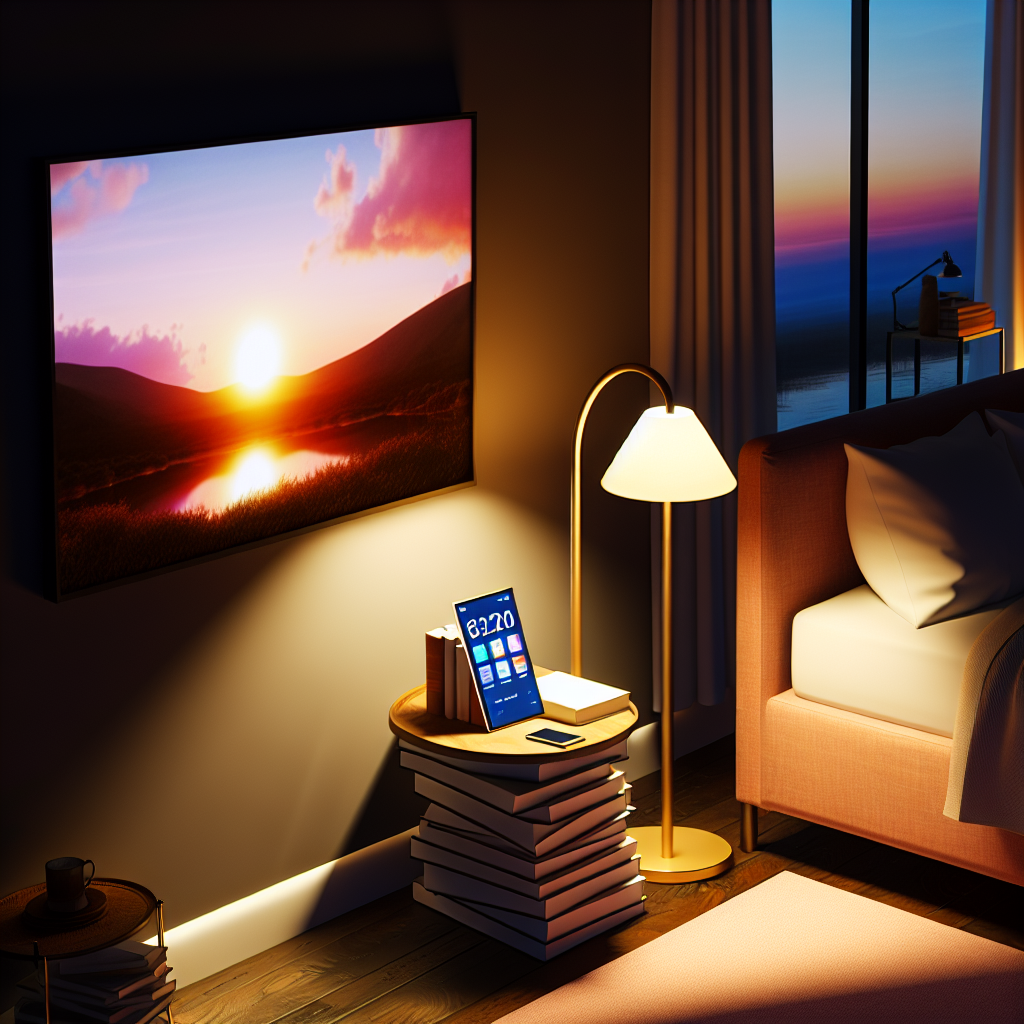
Why a Digital Detox Could Supercharge Your Sleep and Intimacy
In today’s digitally saturated world, screens dominate nearly every aspect of our lives. From phones and tablets to televisions and laptops, digital devices are constantly demanding our attention—even in the bedroom. But this constant connectivity comes at a cost: it’s affecting the quality of our sleep, our emotional intimacy, and ultimately, our romantic relationships.
Experts have found compelling evidence that taking a break from screens—a deliberate digital detox—can significantly enhance both emotional connection and physical performance. In fact, a recent survey revealed that 67% of couples felt that phone use distracted them from meaningful connection with their partner. If you’re looking for more restful nights, closer relationships, and improved performance in the bedroom, stepping away from your devices might be the simple solution you need.
How Screens Are Taking Over the Bedroom
The bedroom should be a sanctuary for rest, relaxation, and closeness. Unfortunately, it often doubles as a second office or entertainment hub. Answering emails, watching shows, and scrolling endlessly through social media have become nightly routines—routines that disrupt the body’s natural sleep rhythm and emotional engagement.
This behavior interferes with your circadian rhythm—your body’s internal clock that follows the natural day-night cycle. Neuroscientist Dr. Matthew Walker, author of Why We Sleep, explains that even one hour of screen time before bed can delay the release of melatonin by 30 to 60 minutes, making it more difficult to fall asleep.
Reduced sleep quality affects everything from energy levels and immune function to libido. Replacing screen time with calming activities such as reading a book, light stretching, or simply talking to your partner can signal to your brain that it’s time to wind down and prepare for restorative sleep—enhancing both well-being and intimacy.
Understanding the Impact of Blue Light
One of the most damaging aspects of nighttime screen use is the exposure to blue light, which mimics daylight and suppresses melatonin production. This misleads your brain into thinking it’s not yet time to sleep, preventing restful slumber.
Researchers at Harvard found that blue light can suppress melatonin levels for twice as long as other types of light, delaying sleep by up to three hours. Ongoing sleep disruption has even more concerning effects—especially on hormonal health. For men, poor sleep is associated with reduced testosterone levels, a hormone essential for sexual desire and erectile function.
To protect your sleep and performance, aim to avoid screen use at least an hour before bed. Create a calming bedtime routine instead—dim the lights, listen to soft music, or enjoy quiet moments with your partner. These habits support natural hormone cycles and promote both better sleep and relationship satisfaction.
Disconnection Equals Emotional Reconnection
Ever start talking to your partner, only to notice they’re staring at their phone? That’s called “phubbing”—phone snubbing—and it’s more harmful to relationships than many realize. Studies published in Psychology of Popular Media show that frequent experiences of phubbing lead to reduced satisfaction in relationships and increased emotional disconnection.
Emotional intimacy is a foundational pillar of long-term attraction and sexual connection. When couples make the bedroom a screen-free zone, they invite meaningful connection through something as simple as eye contact, shared laughter, or reminiscing about shared experiences.
These small but significant actions cultivate emotional intimacy, fostering a safe space where deeper physical closeness naturally follows.
The Science Behind Mindful Intimacy
Eliminating tech from your bedroom doesn’t just make the space quieter—it heightens your awareness and strengthens your emotional connection. In fact, mindfulness during physical and emotional interaction boosts levels of oxytocin—the “love hormone” associated with bonding and reduced stress.
Sex therapist Dr. Laura Berman notes that being mentally present with your partner can enhance mutual pleasure and emotional intimacy. When you’re truly attuned to each other, physical closeness intensifies. Whether it’s sharing a massage, dancing together in your living room, or expressing daily gratitude, being present in each moment makes intimacy more rewarding and mutually satisfying.
Simple Strategies to Create a Tech-Free Bedroom
Ready to remove digital distractions from your bedroom and bring back genuine connection? These practical steps will help you begin your digital detox:
1. Set a tech-free wind-down routine an hour before bedtime. Trade screens for relaxing habits like reading, journaling, or sipping herbal tea.
2. Invest in a traditional alarm clock. Ditch the smartphone as your wake-up tool and cut out temptation for late-night browsing.
3. Charge your devices outside the bedroom. Create a designated charging station in a hallway or kitchen to reduce blue light distractions and break the habit loop.
4. Agree on a no-screens policy in the bedroom. Frame it as a shared commitment to better sleep, deeper conversations, and increased intimacy.
5. Replace screen time with connection time. Talk about your day, explore shared goals, or simply unwind together in silence. Every moment of mindful presence counts.
Transform Your Nights with Small, Intentional Changes
Reimagining your relationship with technology doesn’t require a total lifestyle overhaul. It’s about making small, intentional changes that prioritize sleep, health, and closeness. By reducing screen time in the evening, you’re likely to experience better sleep quality, restored energy levels, and a noticeable boost in emotional and physical intimacy.
Sustained connection begins with daily habits—and carving out screen-free moments might just be the key to transforming your relationship and rejuvenating your sense of well-being. Your body, your partner, and your peace of mind will all thank you.
Take the First Step Toward Rest and Rekindled Connection
If you’re ready to restore balance, passion, and rest to your bedroom, try starting small with a nightly digital detox. It’s a powerful move toward deeper emotional connection, improved performance, and more fulfilling rest.
For tailored advice on sexual health, hormone support, and sleep solutions, visit edrugstore.com for expert-backed guidance and convenient prescription services. Let your journey to better connection start tonight—with less screen time and more meaningful moments.
References
1. Common Sense Media. (2021). The Relationship Between Cell Phone Use and Partner Connection.
2. Walker, M. (2017). Why We Sleep: Unlocking the Power of Sleep and Dreams. Scribner.
3. Harvard Health Publishing. (2020). Blue light has a dark side. Harvard Medical School.
4. Mayo Clinic Staff. (2022). Testosterone therapy: Potential benefits and risks. Mayo Clinic.
5. Roberts, J. A., & David, M. E. (2016). Partner phubbing and relationship satisfaction. Psychology of Popular Media.
6. Uvnäs-Moberg, K. (2015). Oxytocin – Pathway to Human Intimacy. JP Medical Ltd.
7. Berman, L. (2014). Quantum Love. Hay House.