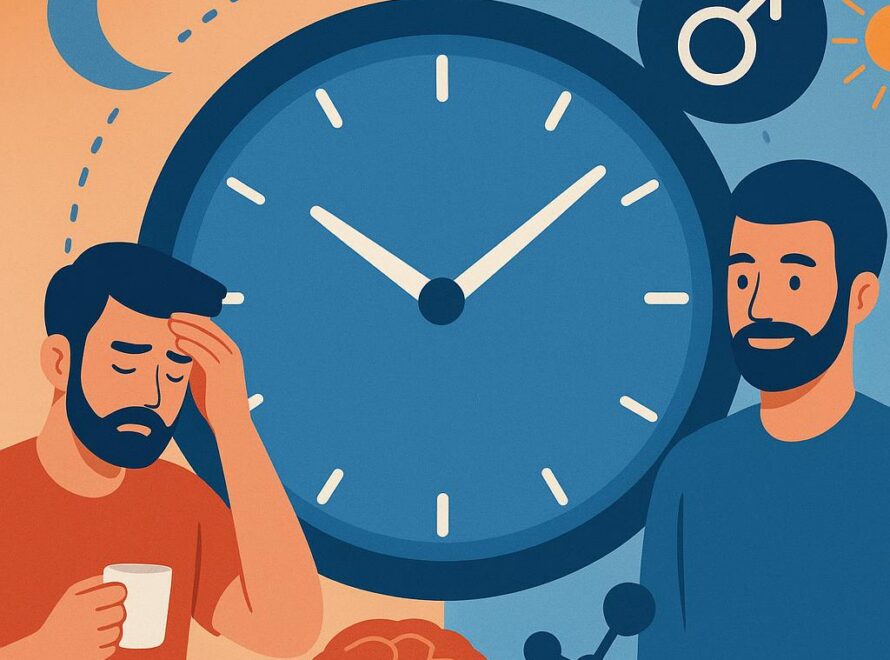

Erectile Dysfunction in Athletes: When Physical Fitness Masks Hormonal and Sexual Health Issues
Understanding the Hidden Side of Athletic Health
When most people think of athletes, images of strength, stamina, and peak physical condition come to mind. From professional runners to competitive lifters, athletes are often seen as the epitome of health and vitality. However, appearances can be deceiving. Beneath the athletic exterior, many individuals silently contend with health issues that are rarely talked about — one of the most surprising being erectile dysfunction (ED).
Often associated with older age or chronic conditions like hypertension and diabetes, ED is increasingly being identified in younger, seemingly healthy athletes. Data from the Cleveland Clinic reveals that roughly 52% of men experience some form of ED. While it is more common as men age, studies indicate that up to 30% of men under 40 also report symptoms — including those who lead active, athletic lifestyles.
“The belief that visible fitness guarantees internal wellness is misleading,” says Dr. Mark Peterson, a sports medicine specialist. “True health goes beyond muscle mass and endurance — it involves hormonal stability, emotional balance, and optimal sexual function.”
What Is Erectile Dysfunction and How Does It Affect Athletes?
Erectile dysfunction is defined as the persistent inability to achieve or maintain an erection firm enough for sexual activity. Despite growing awareness, ED is still frequently misunderstood as an issue confined to older or unhealthy men. This misconception may cause athletes to dismiss warning signs, attributing them to stress, over-training, or fatigue.
Consider the example of a competitive swimmer in his late twenties who experiences a decline in sexual performance. He may assume it’s due to rigorous training or exhaustion and ignore what may in reality be a significant hormonal imbalance or early signs of overtraining syndrome.
The truth is that ED is a medical issue — not a flaw or failure — and deserves the same care and attention as any sports-related injury.
When Peak Physical Condition Masks Underlying Health Issues
A person with a sculpted physique and superior stamina might not fit the typical picture of someone experiencing sexual dysfunction. But internal health metrics, particularly hormonal and emotional wellness, often tell a different story.
Athletes frequently train toward specialized goals like endurance improvement or weight class management. Unfortunately, this laser focus can lead to unintended side effects including sexual dysfunction, particularly when recovery and long-term wellness are neglected.
“Training intensely without giving the body adequate time to recover can disrupt hormone regulation, increase stress levels, and yes — contribute to erectile dysfunction,” says Dr. Mike Roush, endocrinologist at the University of Michigan.
Primary Causes of Erectile Dysfunction in Athletes
There isn’t a universal cause of ED in athletes, but research has uncovered several common contributors that may affect this population more acutely than others.
1. Low Testosterone Levels and Hormonal Imbalances
Testosterone is essential for maintaining sexual drive, muscle development, and overall energy. However, many endurance-focused athletes or those who follow highly restrictive diets can unintentionally suppress their testosterone production.
A research article in the Journal of Clinical Endocrinology & Metabolism revealed that male endurance athletes often present symptoms of hypogonadism — or low testosterone — directly linked to reduced sexual function.
For example, triathletes and long-distance runners burning high energy levels while consuming insufficient calories often experience what is termed “exercise-induced low testosterone syndrome.”
2. Overtraining and Sexual Health Implications
Overtraining syndrome occurs when athletes push their physical limits without allowing the body time to recover. This chronic physical stress can impair the hypothalamic-pituitary-gonadal axis — the body’s hormonal control center — leading to disrupted testosterone production and elevated cortisol, a hormone associated with stress.
Elevated cortisol levels can blunt libido and delay sexual response, creating a strong physiological linkage between overtraining and erectile dysfunction.
3. Psychological Stress and Performance Anxiety
Mental stress among athletes isn’t limited to the competition arena. The pressure to succeed, maintain a certain physique, or recover quickly from injuries often leads to chronic stress, anxiety, and depressive symptoms that can intrude into personal and intimate experiences.
Take, for instance, a young gymnast facing constant scrutiny over appearance and weight. This pressure can diminish self-confidence and foster performance anxiety during intimacy — a known trigger for erectile dysfunction.
4. Diet and Nutrient Deficiency
In performance-focused sports, many athletes adopt low-fat or low-carb diets in pursuit of weight control or lean muscle appearance. However, both healthy fats and carbohydrates are vital components of hormonal well-being.
Fats are essential for testosterone production, while carbohydrates help regulate serotonin and other mood-impacting neurotransmitters. A poor diet can therefore contribute to both physical and psychological factors involved in ED.
5. Nerve Compression From Cycling
Cyclists face unique risks when it comes to sexual health. Extended time on a bike saddle can cause nerve compression and decreased blood flow in the perineal area — the space between the genitals and anus. Research published in the Journal of Urology found that male cyclists accruing more than three hours of saddle time per week had a significantly higher likelihood of experiencing genital numbness and sexual issues.
Athletes in high-cycling sports should take preventive measures, such as using padded gear and maintaining proper riding posture, to minimize health risks.
Sexual Health Is Part of Overall Wellness
Far too many athletes interpret ED as a personal failing. But sexual health is a critical part of overall wellness and athletic performance. Left untreated, ED may reflect deeper systemic problems affecting an athlete’s ability to train, recover, and perform — both physically and emotionally.
“Asking for help isn’t a sign of weakness,” says Dr. Claire Michaels, a certified sex therapist. “Honesty about your health story is one of the strongest steps an athlete can take toward true endurance — the kind that matters in both sport and life.”
Steps Athletes Can Take to Reclaim Sexual and Physical Vitality
If you’re experiencing erectile dysfunction as an athlete, there are several actionable steps you can take to restore balance and improve performance on every level.
- Medical Evaluation: Request comprehensive lab panels that test testosterone, free testosterone, cortisol, thyroid hormones, LH, and SHBG levels.
- Structured Rest: Build rest days and recovery weeks into your training schedule to allow for hormonal rebalancing.
- Smart Nutrition: Ensure your diet includes adequate calories, healthy fats, protein, and micronutrients vital to hormone health.
- Mental Wellness Support: Seek therapy, support groups, or counseling services to address stress or emotional factors.
- Pelvic Health Protection: Male cyclists may benefit from switching to optimized saddles, adjusting riding posture, or engaging in physiotherapy focused on pelvic muscles.
Redefining What Athletic Wellness Really Means
Being lean or muscular is not the full picture of health. True athletic wellness means achieving balance — physically, mentally, and hormonally. Erectile dysfunction in athletes is far more common than generally acknowledged, and silence only exacerbates the problem.
By encouraging open discussions and proactive healthcare measures, athletes can reclaim their confidence, improve their personal relationships, and reach a higher level of true, functional health.
Resources and Support
If you or someone you know is struggling with ED, discreet and medically validated treatment is available. Visit edrugstore.com to learn more about treatment options that support real solutions — on and off the field.
References
1. Cleveland Clinic. (2023). Erectile Dysfunction. clevelandclinic.org
2. Peterson, M. (2022). Interview on Sports Wellness Podcast
3. Hackney A.C. et al. (2017). Exercise Training and Low Testosterone in Men. Journal of Clinical Endocrinology & Metabolism
4. Sommer F. et al. (2001). Impotence and Genital Numbness in Cyclists. Journal of Urology