
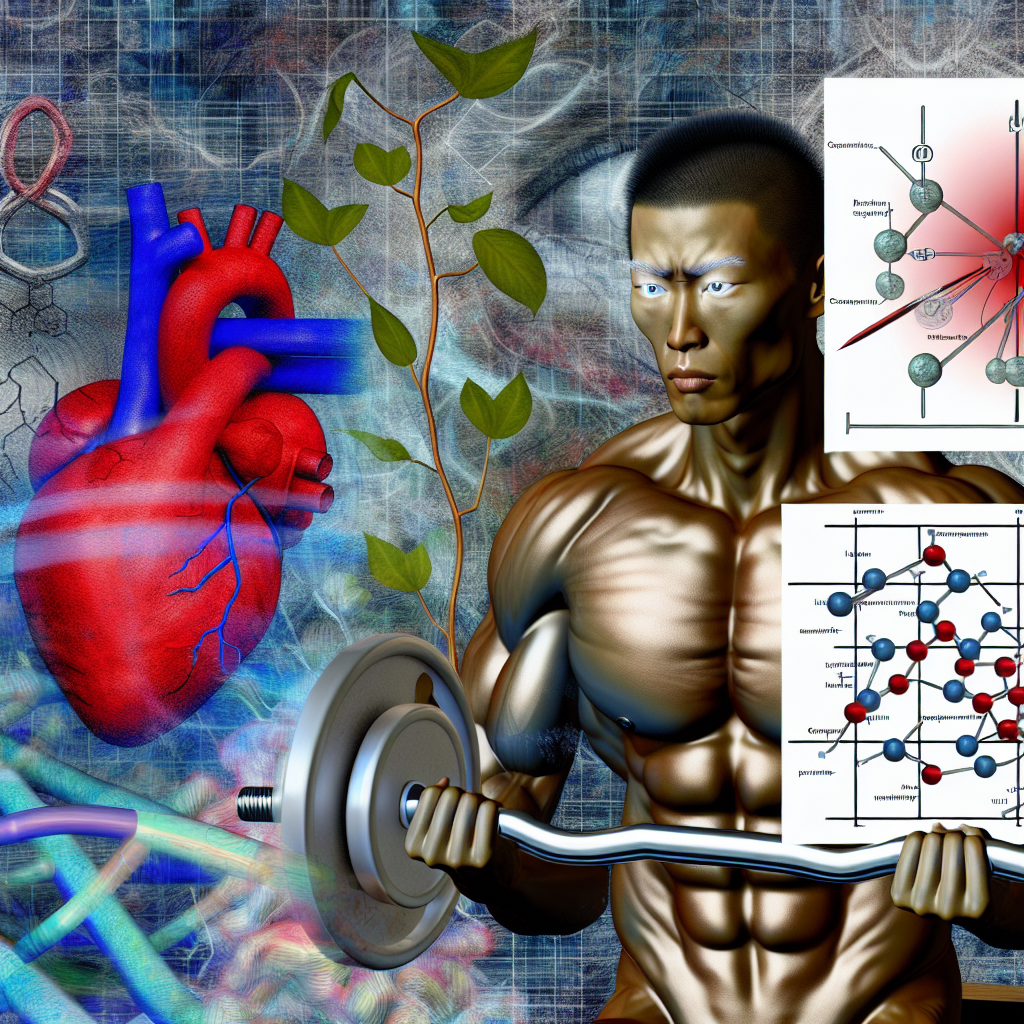
The Hidden Link Between High-Protein Diets and Erectile Dysfunction in Bodybuilders: How Ammonia Build-Up Could Be Lowering Your Libido
For many bodybuilders, consuming high amounts of protein is essential. It supports muscle repair, hypertrophy, and their pursuit of a lean physique. However, a lesser-known downside is gaining attention among fitness communities: increased reports of low sex drive and erectile dysfunction (ED). Emerging research connects excessive protein intake with elevated ammonia levels — a toxic byproduct that may interfere with sexual health.
Here’s how this connection unfolds, the symptoms to watch for, and scientifically supported steps to protect both your muscle performance and your vitality.
The Muscle-Building Power of Protein — and Its Hidden Drawbacks
Protein plays a critical role in muscle development and recovery. Most athletes are advised to consume around 1.2 to 2.2 grams of protein per kilogram of body weight daily. For a 200-pound (90.7 kg) bodybuilder, this translates to a range of 110 to 200 grams per day.
This amount significantly increases for bodybuilders following a ketogenic or carnivore diet, where carbohydrates are limited and protein becomes the primary macronutrient. However, your body must metabolize all that protein — and that process creates ammonia as a byproduct.
According to Dr. James LaValle, a clinical pharmacist and integrative health expert, “As beneficial as protein is, consuming it in excess can tax the system. If ammonia builds up faster than the liver can clear it, the body pays the price in areas you might not anticipate — such as endocrine function and libido.”
Protein Metabolism and Ammonia: Why It Matters for Sexual Health
Proteins are composed of amino acids, which your body uses for essential functions. When there are more amino acids than needed, the liver breaks them down, producing ammonia (NH₃) in the process.
Under optimal conditions, the liver converts this ammonia into urea, which is then excreted through urine. However, when protein intake is too high — or if liver function is compromised — the body may not clear ammonia efficiently, allowing it to accumulate in the bloodstream. This condition, known as hyperammonemia, can affect various systems even at mild levels.
In a study published in the International Journal of Sport Nutrition and Exercise Metabolism (2021), participants who consumed 3.4g/kg/day of protein showed elevated ammonia levels and experienced symptoms such as fatigue, mood swings, and diminished libido.
Three Ways Elevated Ammonia Sabotages Sexual Health
Ammonia accumulation in the bloodstream can negatively impact sexual health and performance in several key ways:
1. Hormonal Disruption
Chronic elevation of ammonia can interfere with the hypothalamic-pituitary-gonadal (HPG) axis, which governs testosterone production. Reduced testosterone — often referred to as “low T” — leads to decreased libido, lower energy levels, and difficulty with erectile performance.
According to Cleveland Clinic guidelines, testosterone levels under 300 ng/dL are considered low. Athletes under metabolic stress may unknowingly fall into this category.
2. Reduced Nitric Oxide (NO) Production
Ammonia buildup may suppress nitric oxide synthase, the enzyme responsible for producing nitric oxide. Nitric oxide relaxes and widens blood vessels, allowing for improved circulation — essential for achieving and maintaining erections. Without adequate nitric oxide, blood flow to the pelvic region is restricted.
Supplements such as L-citrulline and natural sources like beetroot juice can help restore NO levels naturally, enhancing vascular health and sexual performance. You can compare natural nitric oxide boosters and ED medications at trusted sources like eDrugstore.com.
3. Mental Clarity and Mood Disruptions
Even moderate ammonia accumulation has been shown to exert neurotoxic effects. Symptoms such as brain fog, fatigue, low motivation, and poor mood may not only impact workouts but also suppress libido and increase performance-related anxiety in the bedroom.
Real Cases: Bodybuilders Facing Libido Challenges
A growing number of individuals in the fitness community are reporting sexual performance issues despite achieving peak physical form. Examples include:
– Competitive lifters on prolonged carnivore or ketogenic diets who report a significant drop in sexual desire.
– Fitness enthusiasts in online forums discussing how erectile issues disappeared after shifting to a balanced diet with moderate protein and higher carbohydrate intake.
– Athletes noting improvements in morning erections and overall mood after incorporating more fiber and fermented foods for gut support.
The Critical Role of Gut and Liver Health in Ammonia Management
While the liver is the primary site for detoxification, it can be negatively affected by several common factors, including:
– Excessive alcohol consumption
– Fatty liver disease (which can develop even in muscular individuals)
– Long-term use of medications such as acetaminophen
The gut also plays an active role. Diets low in fiber and high in animal protein promote the growth of ammonia-producing bacteria, such as certain Clostridia species. This microbial imbalance increases gut-derived ammonia, which can be reabsorbed into your bloodstream.
Tip: Ensure consumption of 25 to 38 grams of fiber daily from a broad range of plant-based foods such as legumes, colorful vegetables, and fruits to support microbial balance and reduce ammonia absorption.
Effective Strategies for Bodybuilders Experiencing Low Libido
If you’re encountering signs of hormonal imbalance or ED during a high-protein diet, consider the following evidence-based solutions:
1. Adjust Protein Intake
Stick to protein recommendations of 1.0 to 1.6g/kg of body weight based on performance goals. Replace the excess with whole food carbs or healthy fats for balanced energy metabolism.
2. Support Liver Detoxification
Incorporate liver-supportive foods such as cruciferous vegetables (broccoli, Brussels sprouts), beets, turmeric, and herbs like milk thistle. Staying well-hydrated and promoting regular bowel movements are also essential.
3. Prioritize Gut Health
Rebuild your gut microbiome by consuming probiotic-rich foods (yogurt, kefir, miso) and taking Lactobacillus-based supplements. Include prebiotic-rich ingredients like garlic, onions, leeks, and bananas, as well as polyphenol-rich foods like green tea and berries for gut resilience.
4. Track Your Biomarkers
Ask your healthcare provider to monitor these important indicators:
– Free and total testosterone
– SHBG (sex hormone-binding globulin)
– Estradiol
– Liver function enzymes (ALT, AST, bilirubin)
– Ammonia levels (if signs of metabolic imbalance persist)
5. Boost Nitric Oxide Naturally
Consider incorporating L-citrulline (6 to 8g per day) or beetroot extract into your routine. These are known to support circulation and improve erectile quality.
Curious how supplements compare to prescription ED medications? Browse detailed comparisons at eDrugstore.com.
Final Thoughts: Supporting Libido While Building Muscle
Achieving a muscular physique is a testament to discipline and hard work. However, peak physical performance should never compromise your sexual wellbeing. Understanding how excessive protein intake contributes to hormonal disruption, vascular issues, and mental fatigue can help athletes fine-tune their diets for better overall health.
Balance is key: support liver and gut function, listen to your body’s warning signs, and don’t ignore libido challenges. Because optimal performance isn’t limited to the weight bench — it extends to every aspect of life, including the bedroom.
References
1. Phillips, S. M. (2014). A brief review of higher dietary protein diets in weight loss: a focus on athletes. Sports Medicine, 44(2), 149–153.
2. Antonio, J., Ellerbroek, A., Silver, T. (2021). A high protein diet has no harmful effects: a one-year crossover study in resistance-trained males. International Journal of Sport Nutrition and Exercise Metabolism, 30(3), 207–215.
3. Hidalgo, M. A. et al. (2002). Ammonia inhibition of nitric oxide synthase in endothelial cells. Nitric Oxide, 6(3), 168–175.
4. LaValle, J. (Interview). Metabolic Health and Detox Pathways in Athletes. LifeTime Podcast, Episode 112.
5. Cleveland Clinic. (2020). Low Testosterone (Male Hypogonadism). https://my.clevelandclinic.org/health/diseases/15241-low-testosterone-hypogonadism
