How Does Intermittent Fasting Influence Testosterone Levels in Men?
Understanding Intermittent Fasting
Intermittent fasting has gained popularity as a dietary approach that involves cycling between periods of eating and fasting. It is often chosen for weight management and metabolic health benefits. But how does this fasting regime affect testosterone levels in men? This article explores the potential connections.
Mechanisms Behind Testosterone Regulation
Testosterone, a key male hormone, plays a crucial role in various bodily functions, including muscle growth, bone density, and sexual health. Its production is regulated by the hypothalamus and pituitary gland, which influence the testes’ release of testosterone. Factors such as age, diet, lifestyle, and health conditions can affect testosterone levels.
The Relationship Between Intermittent Fasting and Hormones
Intermittent fasting impacts the body’s metabolic processes. During fasting periods, insulin levels drop, and growth hormone levels increase, leading to fat loss and muscle preservation. These hormonal changes can potentially influence testosterone production.
Potential Positive Effects
Some studies suggest intermittent fasting may boost testosterone levels by improving insulin sensitivity and reducing inflammation, factors that can otherwise impair testosterone production.
Possible Negative Considerations
However, prolonged fasting or caloric restriction might lead to reduced energy availability, potentially lowering testosterone production. Balancing fasting with adequate nutrition is essential to avoid negative outcomes.
Intermittent Fasting and Erectile Dysfunction
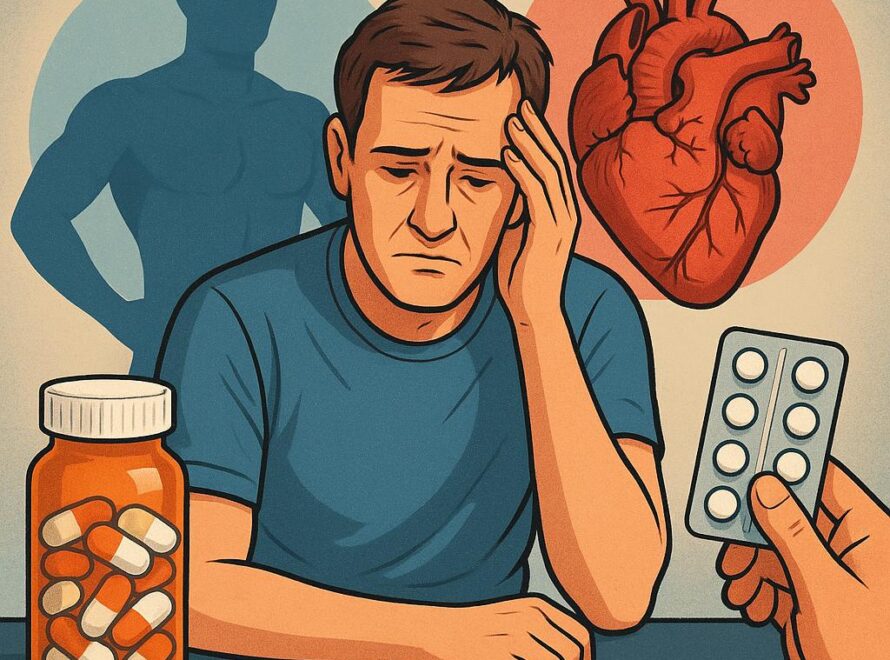
Testosterone plays a role in sexual health, and any factors influencing its levels can impact erectile function. While intermittent fasting can benefit cardiovascular health, which is linked to erectile function, hormonal shifts should be monitored to ensure they support overall sexual health.
Practical Considerations for Men
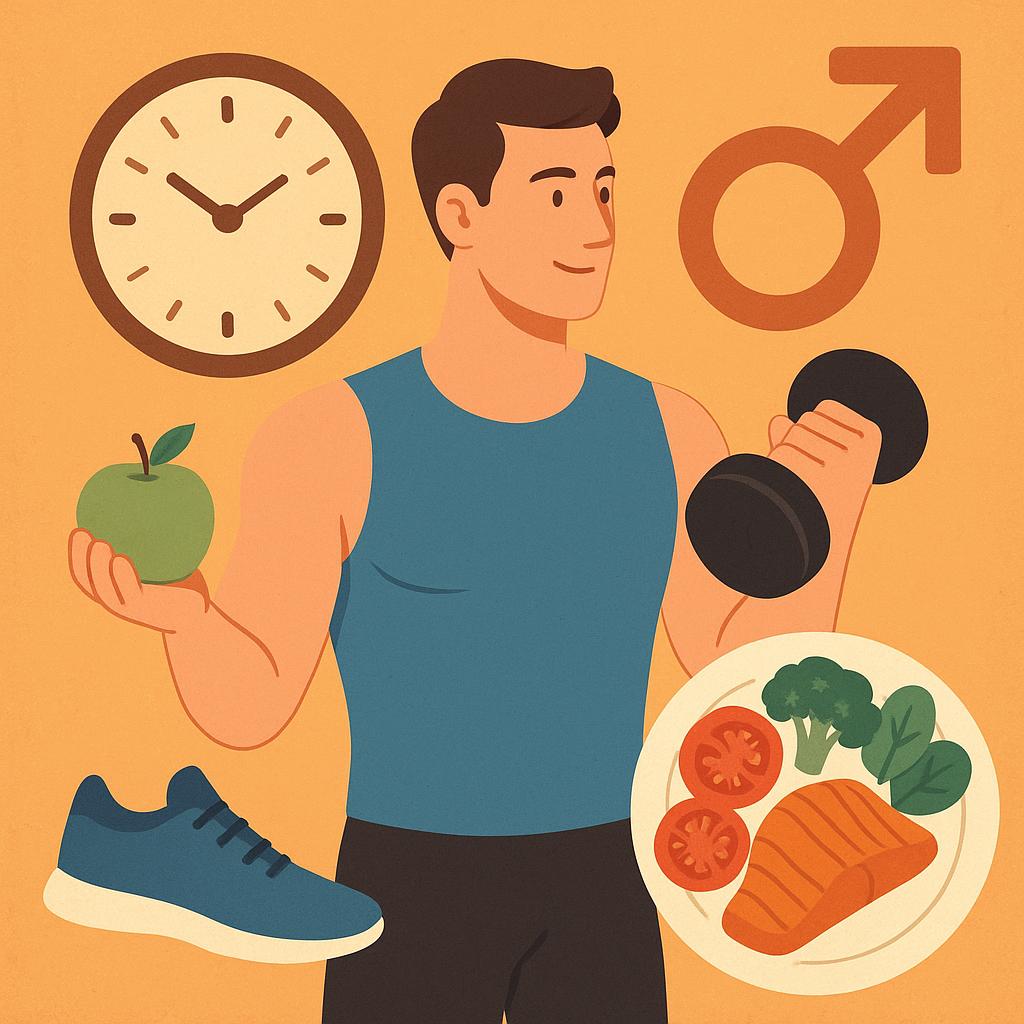
Men considering intermittent fasting should approach it mindfully, focusing on a balanced diet during eating periods. Consultation with healthcare professionals can provide personalized guidance, especially for those with underlying health concerns or those experiencing symptoms of low testosterone.
Conclusion
Intermittent fasting may influence testosterone levels in men, potentially offering both benefits and drawbacks. Understanding individual health needs and maintaining balanced nutrition is pivotal. Further research is necessary to fully elucidate the complex dynamics between fasting and testosterone regulation.
References
National Institute of Diabetes and Digestive and Kidney Diseases. Erectile Dysfunction.
Mayo Clinic. Erectile Dysfunction.
Cleveland Clinic. Erectile Dysfunction.
Urology Care Foundation. Erectile Dysfunction.
American Urological Association. Erectile Dysfunction.