
SEO_TITLE:
Hormonal Imbalances & Sexual Health
SEO_DESCRIPTION:
Understand how hormonal imbalances affect sexual health and when to seek medical advice for possible causes of erectile dysfunction and other related issues.
FOCUS_KEYPHRASE:
hormonal imbalances sexual health
SLUG:
hormonal-imbalances-sexual-health
SOCIAL_TITLE:
Hormonal Imbalances & Your Sexual Health
SOCIAL_DESCRIPTION:
Explore the impact of hormonal imbalances on sexual health, including erectile dysfunction, and learn when it might be time to consult your doctor.
WORDPRESS_TITLE:
How Hormonal Imbalances Affect Sexual Health
ARTICLE_HTML:
Understanding Hormonal Imbalances and Sexual Health
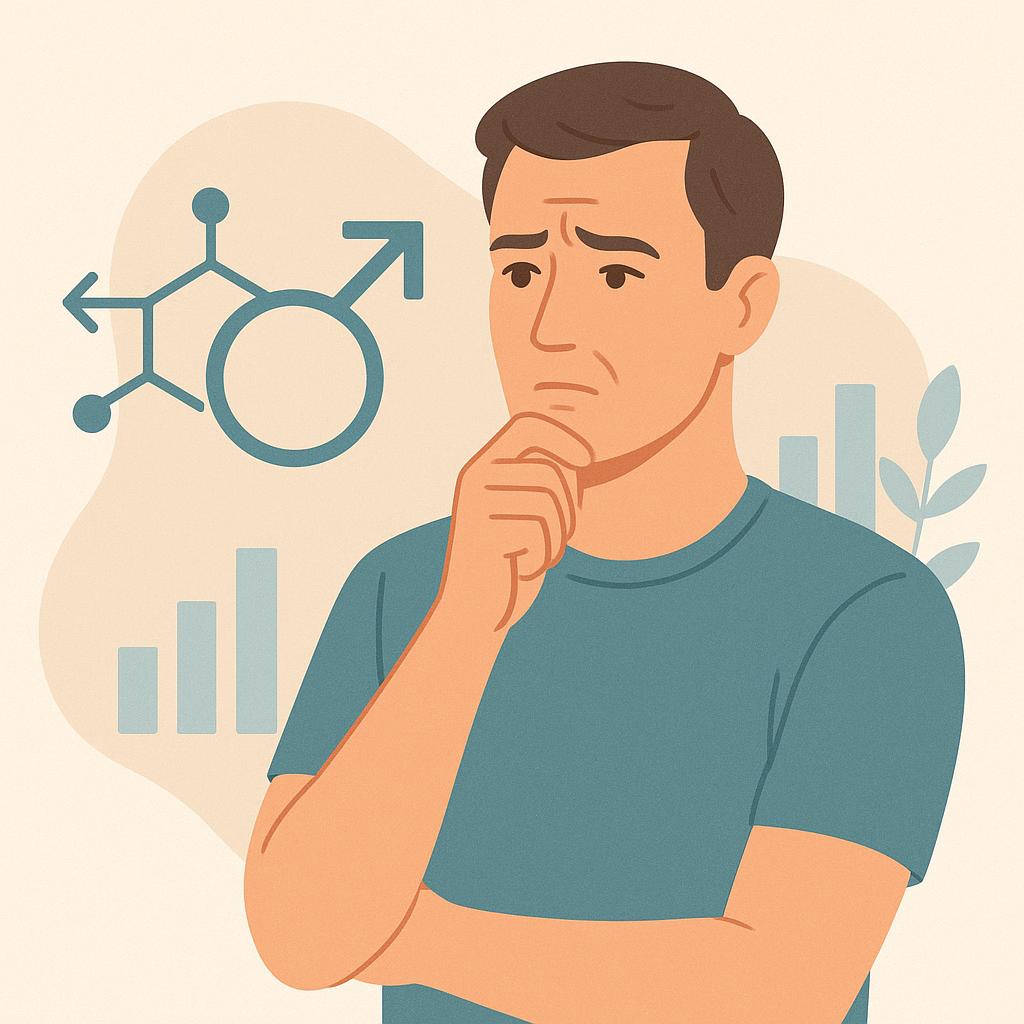
Hormonal imbalances can significantly affect sexual health. These imbalances occur when there is too much or too little of a hormone in the bloodstream. Hormones play a critical role in regulating bodily functions, and even a minor imbalance can cause disruptions that impact sexual performance and desire.
The Role of Hormones in Sexual Health
Hormones like testosterone, estrogen, and progesterone are essential for maintaining libido and sexual function. Testosterone, in particular, is pivotal for male sexual health. It contributes to muscle mass, bone density, and the production of red blood cells and sperm. Low levels of testosterone can lead to reduced sexual desire and may contribute to erectile dysfunction.
In women, estrogen and progesterone are crucial for regulating the menstrual cycle and maintaining vaginal health. Imbalances in these hormones can lead to sexual health issues, such as decreased libido and painful intercourse.
Symptoms of Hormonal Imbalances
The symptoms of hormonal imbalances vary depending on the hormone involved. For men, symptoms may include fatigue, muscle weakness, reduced libido, and erectile dysfunction. In women, symptoms might include mood swings, unexplained weight gain or loss, changes in appetite, and menstrual irregularities.
Causes of Hormonal Imbalances
Several factors can lead to hormonal imbalances. These include chronic stress, poor diet, obesity, and certain medical conditions such as diabetes and thyroid disorders. Additionally, the aging process is a natural cause of hormonal changes, affecting both men and women over time.
When to Consult Your Doctor
If you suspect a hormonal imbalance is affecting your sexual health, it is important to consult with a healthcare professional. They can perform a variety of tests to determine hormone levels and identify potential underlying causes. Timely consultation can lead to appropriate management strategies that may help alleviate symptoms.
During a consultation, your doctor may discuss your medical history, lifestyle, and any symptoms you are experiencing. Treatment options may include lifestyle changes, medication, or hormone replacement therapy, depending on the specific imbalance and its severity.
Addressing Erectile Dysfunction
Erectile dysfunction (ED) can be a complex condition with various contributing factors, including hormonal imbalances. Other influences can include vascular and neurological issues, psychological factors, certain medications, sleep disorders, relationship problems, and lifestyle choices.
Men experiencing ED with suspected hormonal links should seek a comprehensive evaluation to explore all potential causes. Identifying and addressing any hormonal component can be crucial in developing an effective treatment plan.
References
National Institute of Diabetes and Digestive and Kidney Diseases. Erectile Dysfunction.
Mayo Clinic. Erectile Dysfunction.
Cleveland Clinic. Erectile Dysfunction.
Urology Care Foundation. Erectile Dysfunction.
American Urological Association. Erectile Dysfunction.