
SEO_TITLE:
Visceral Fat’s Impact on Erectile Dysfunction Risk
SEO_DESCRIPTION:
Explore how visceral fat may elevate erectile dysfunction risk beyond general obesity, and understand the complex interplay between men’s health factors.
FOCUS_KEYPHRASE:
Visceral fat and erectile dysfunction
SLUG:
visceral-fat-erectile-dysfunction-risk
SOCIAL_TITLE:
Visceral Fat: A Hidden Risk for Erectile Dysfunction
SOCIAL_DESCRIPTION:
Learn how visceral fat’s unique properties contribute to elevated erectile dysfunction risk, with insights for managing men’s health effectively.
WORDPRESS_TITLE:
Visceral Fat and Its Distinct Impact on Erectile Dysfunction Risk
ARTICLE_HTML:
The Link Between Visceral Fat and Erectile Dysfunction
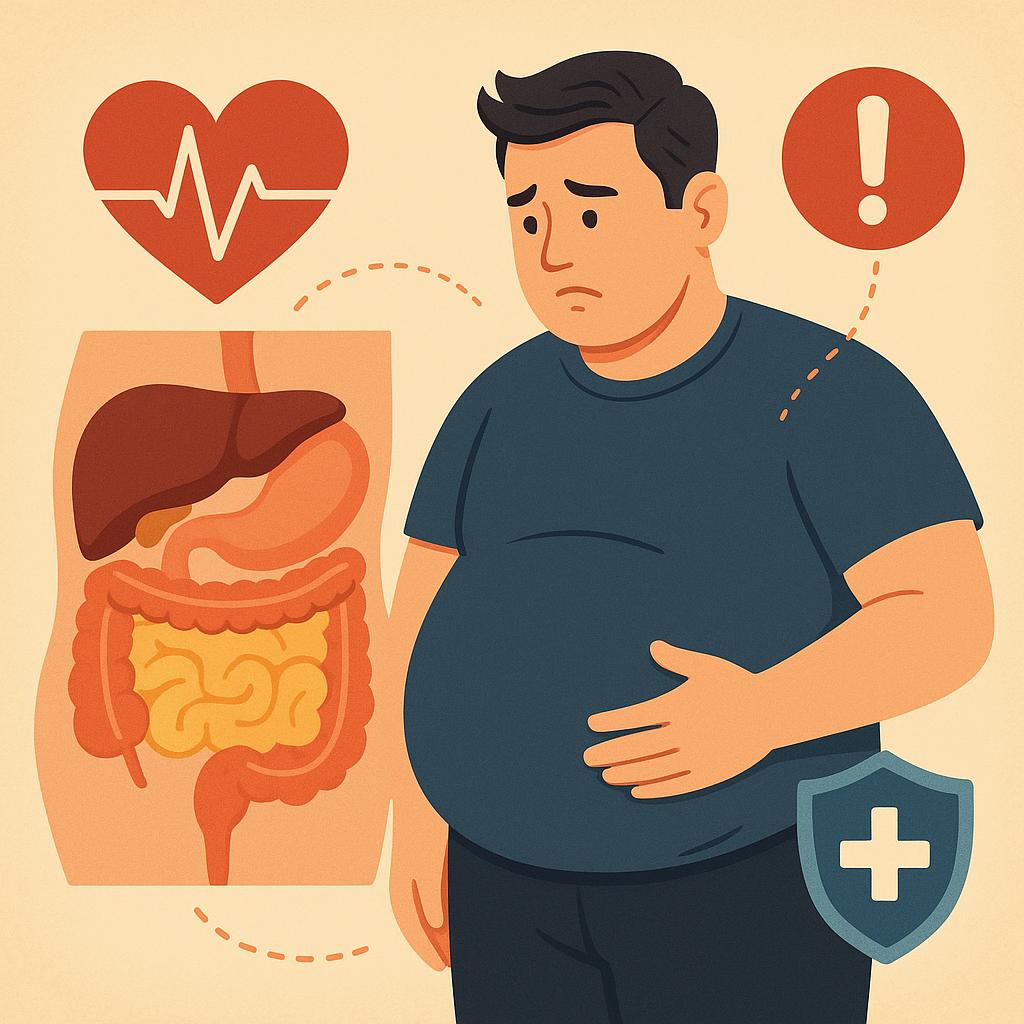
Visceral fat, the deeper abdominal fat surrounding vital organs, is increasingly recognized as a significant factor affecting men’s health, particularly concerning erectile dysfunction (ED). Unlike subcutaneous fat, which lies just under the skin, visceral fat is more metabolically active. This uniqueness may contribute to an elevated risk of erectile dysfunction, independently of general obesity.
Understanding Visceral Fat and Its Effects
Visceral fat can adversely impact overall health due to its role in secreting inflammatory markers and hormones that disrupt normal hormonal balance. This disruption can lead to insulin resistance, increased estrogen levels, and decreased testosterone—key factors that may contribute to erectile dysfunction. As such, visceral fat is often linked with a higher risk of cardiovascular diseases, diabetes, and metabolic syndromes, which are known risk factors for erectile dysfunction.
How Visceral Fat Differs from General Obesity
General obesity is typically assessed using body mass index (BMI), a measure that does not distinguish between visceral and subcutaneous fat. Visceral fat’s heightened metabolic activity distinguishes it from other types of fat, leading to more severe health complications. While BMI provides a broad estimate of body weight risk, it may not accurately reflect the specific dangers associated with visceral fat. Addressing visceral fat is crucial as it poses a direct and pronounced risk for erectile dysfunction.
The Physiological Pathways Linking Visceral Fat to Erectile Dysfunction
Several physiological mechanisms link visceral fat to erectile dysfunction. The accumulation of visceral fat triggers inflammatory responses that can impair endothelial function, crucial for healthy blood vessel operation. Compromised endothelial function hinders blood flow, a vital factor for achieving and maintaining an erection. Moreover, visceral fat may disrupt the hypothalamic-pituitary-gonadal axis, which regulates testosterone production. Lower testosterone levels are commonly associated with reduced sexual function and increased erectile dysfunction risk.
Addressing Visceral Fat to Improve Erectile Health
While reducing overall body weight can positively influence sexual health, specifically targeting visceral fat might provide additional benefits. Lifestyle interventions such as regular physical activity, a balanced diet rich in whole foods, and stress management are effective strategies for reducing visceral fat. Sleep quality also plays a critical role, as insufficient sleep can contribute to weight gain and hormonal imbalances.
Seeking Medical Guidance
Men experiencing erectile dysfunction or concerned about visceral fat should consult healthcare professionals for tailored advice. Medical evaluation can help determine underlying causes and appropriate treatments, which may include lifestyle changes or medications. Telemedicine services offer convenient options for reaching specialists, making it easier for men to seek advice and manage health conditions effectively.
References
National Institute of Diabetes and Digestive and Kidney Diseases. Erectile Dysfunction.
Mayo Clinic. Erectile Dysfunction.
Cleveland Clinic. Erectile Dysfunction.
Urology Care Foundation. Erectile Dysfunction.
American Urological Association. Erectile Dysfunction.