
## Understanding the Distinction: Temporary Performance Anxiety vs. Chronic Erectile Dysfunction
In the realm of men’s health, erectile issues are a common concern that can significantly impact personal well-being and relationships. However, distinguishing between temporary performance anxiety and chronic erectile dysfunction (ED) presents a challenge for healthcare providers due to the inconsistent nature of symptoms. This distinction is crucial because it dictates the course of treatment and management. According to Dr. John Smith, a renowned urologist, “Understanding these differences is key to providing effective treatment and improving patient outcomes.” In this article, we’ll explore how clinicians differentiate these two conditions.
### Performance Anxiety: A Temporary Predicament
Performance anxiety is a psychological condition manifesting as anxiety-related erectile difficulties, often occurring in specific situations. Approximately 25% of men experience such challenges at some point, according to a study published in the Journal of Sexual Medicine. Various factors such as stress, pressure to perform, fear of failure, or a new relationship can trigger these episodes. Though distressing, these manifestations are generally temporary and resolve when the underlying anxiety diminishes or the individual becomes more comfortable in the situation.
### Chronic Erectile Dysfunction: A Persistent Challenge
Erectile dysfunction, defined as the inability to achieve or maintain an erection sufficient for satisfactory sexual performance, is considered chronic when it persists for at least three months. This condition is usually not limited to specific contexts and can occur frequently, irrespective of circumstances or partners. An estimated 52% of men between 40 and 70 experience some form of ED, with chronic cases often linked to physiological and psychological causes such as cardiovascular disease, diabetes, hormonal imbalances, or psychological disorders like depression.
### Evaluating Symptoms: The Clinical Approach
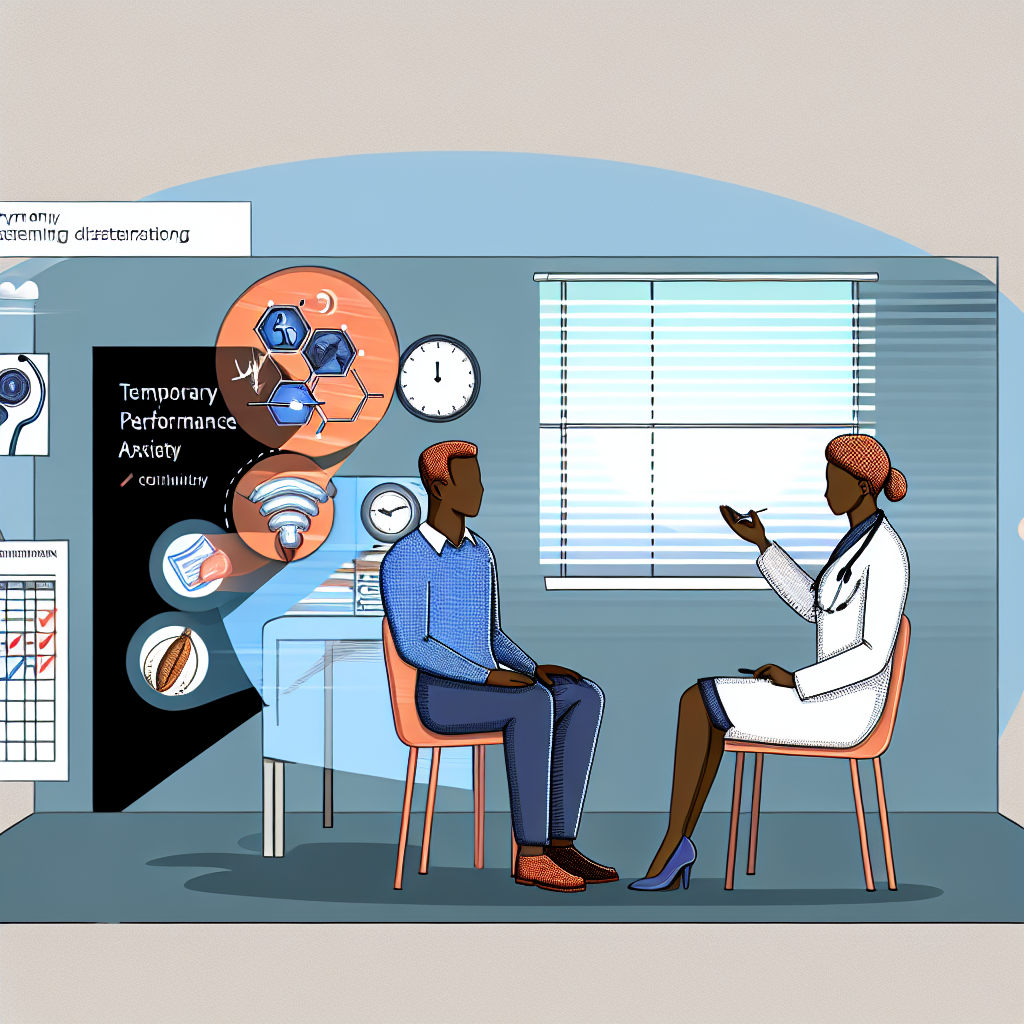
In clinical practice, the differentiation process begins with a comprehensive evaluation that involves a detailed medical history, physical examination, and, if necessary, diagnostic tests. As Dr. Emily Johnson, a sex therapist, notes, “Understanding the root cause of these issues is paramount for effective treatment.”
#### Medical History: Gathering Context
One of the first steps in distinguishing between these conditions is to take a thorough medical history. Providers assess the onset, duration, and context of erectile difficulties. For instance, if a patient experiences erectile issues in sporadic situations, it might suggest performance anxiety. Additionally, understanding the patient’s lifestyle, emotional state, relationship dynamics, and stress levels provides crucial insights into the potential psychological underpinnings of performance anxiety.
#### Physical Examination and Diagnostics: Rule Out Underlying Causes
A physical examination can help rule out physiological contributors to erectile dysfunction. For instance, measuring blood pressure, conducting a genital exam, and checking for signs of hormonal imbalances are typical procedures. Medical professionals might order laboratory tests to evaluate testosterone levels, blood sugar, and lipid profiles, helping to identify any underlying health conditions contributing to chronic ED.
#### Psychological Assessment: Unraveling the Mental Aspect
Understanding the psychological component is essential in determining whether anxiety plays a significant role. Providers may conduct brief screenings for anxiety and depression or refer patients to mental health specialists for a more in-depth psychological evaluation. Therapeutic conversations aim to uncover stressors, emotional concerns, and any mental health conditions that might influence sexual performance.
### Treatment and Management Strategies
Effective management strategies vary significantly depending on the diagnosis. Recognizing the difference is essential to tailor an appropriate treatment plan.
#### Addressing Performance Anxiety
When performance anxiety is identified as the root cause, treatment typically focuses on reducing anxiety and stress. Cognitive Behavioral Therapy (CBT) is commonly employed to change negative thought patterns and bolster self-confidence. Relaxation techniques like mindfulness meditation or yoga may also help alleviate anxiety symptoms. In certain cases, short-term pharmacological interventions such as low-dose anti-anxiety medications can aid in breaking the cycle of anxiety-related erectile dysfunction.
#### Managing Chronic Erectile Dysfunction
Chronic ED often requires a combination of medical treatments and lifestyle modifications. Phosphodiesterase type 5 inhibitors (PDE5 inhibitors) such as sildenafil (Viagra) are frequently prescribed to enhance erectile function. Additionally, addressing underlying health conditions through lifestyle changes, diet, and exercise is crucial. In some cases, psychological support may still be beneficial, particularly if chronic ED has led to secondary performance anxiety.
### Patient Education: Empowering for Better Outcomes
Regardless of diagnosis, educating patients is paramount. Providers should emphasize the normalcy of occasional erectile difficulties and explain these issues as often multifactorial. Encouraging open conversations with partners and reducing stigma is vital for emotional support and effective treatment.
### Conclusion: A Balanced Approach
Understanding the nuances between temporary performance anxiety and chronic erectile dysfunction requires a balanced, comprehensive approach from healthcare providers. By combining medical, psychological, and lifestyle considerations, practitioners can better differentiate between these conditions and offer personalized treatments. This comprehensive method not only enhances clinical outcomes but also improves the quality of life for individuals facing these intimate challenges. By recognizing each individual’s unique circumstances, healthcare professionals empower patients to reclaim control over their sexual health and find solutions that suit their needs.

