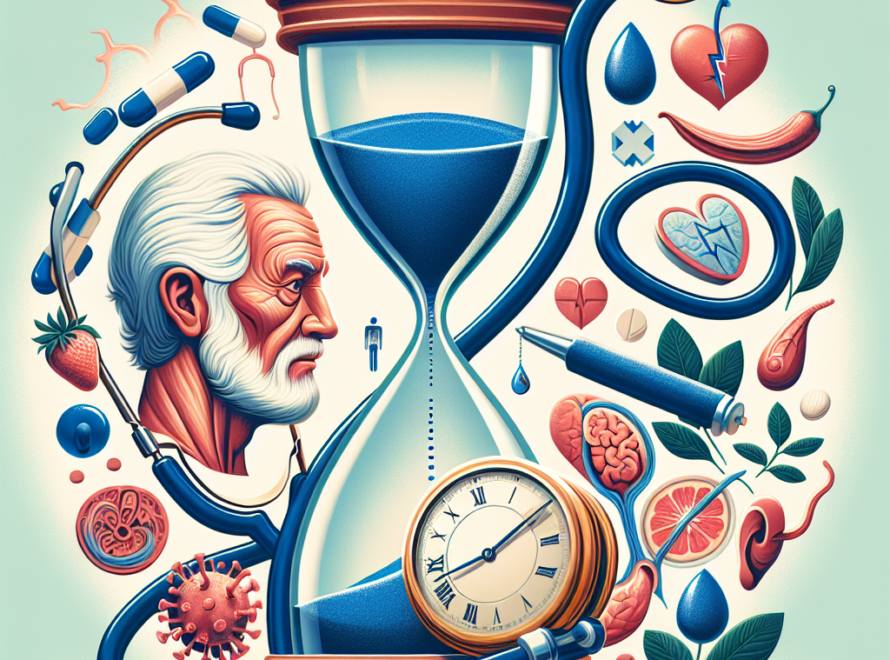

Is Male Performance Declining? A Data-Driven Look Across Generations
For decades, researchers, healthcare professionals, and social scientists have raised concerns about a potential crisis in men’s health and development. From declining testosterone and fertility rates to educational underachievement and waning workforce participation, key trends suggest a substantial shift in male performance over time. But is this a true generational decline, or a reflection of evolving societal expectations?
Let’s examine the data and explore what these changes mean for men today—and tomorrow.
Biological Changes: Declining Testosterone and Fertility Trends
A notable biological trend is the sustained decline in testosterone levels among men. Research published in the Journal of Clinical Endocrinology and Metabolism reveals that average testosterone levels have decreased by approximately 1% per year since the late 1980s. This means a man in his 40s today likely has considerably lower testosterone than a man of the same age 30 years ago, even when accounting for lifestyle differences.
Supporting this trend, a 2017 study in Human Reproduction Update found that sperm counts in Western men dropped by over 50% between 1973 and 2011. This is more than a reproductive concern—it’s a public health warning.
Testosterone plays a key role in:
– Muscle strength
– Mood and mental clarity
– Energy levels and motivation
– Overall vitality
So, what’s behind this biological decline? Experts point to several contributing factors:
– Widespread exposure to endocrine-disrupting chemicals (commonly found in plastics and cleaning products)
– Less physical activity and unhealthy diets
– Chronic stress, insufficient sleep, and rising obesity
Dr. Shanna Swan, author of the book Count Down, observes, “Modern life may be compromising our reproductive health—and men are the first to feel the impact.”
Taking proactive steps, such as regular health screenings and hormone therapy consultations, can help men address these issues early. Trusted services like edrugstore.com offer support and treatment options for hormonal health.
The Educational Divide: Boys Falling Behind in Classrooms
In parallel with biological concerns, an educational gap has emerged between boys and girls. According to the U.S. Department of Education, boys consistently underperform in:
– Reading and writing
– Grade progression rates
– High school graduation and college enrollment
Women now make up nearly 60% of U.S. college students. This represents a stark shift from the 1970s, when men overwhelmingly attended higher education institutions. So, what’s driving boys’ educational struggles?
Key factors include:
– Curriculums that emphasize reading and seated tasks—areas in which boys often develop later
– A lack of male role models in schools (only about 25% of teachers are men)
– Teaching methods that don’t align with active, experiential learning styles favored by many boys
Dr. Leonard Sax, author of Boys Adrift, explains: “It’s not always boys who are failing school—it’s the school structure that’s failing them.”
To help boys engage more deeply, educational reforms are needed. These include incorporating hands-on activities, expanding mentorship programs, and offering flexible, student-centered learning experiences.
Economic Realities: Fewer Traditional Jobs for Modern Men
The landscape of male-dominated employment has also shifted dramatically. In 1950, more than 95% of working-age American men were employed or seeking work. By 2023, that number had fallen below 88%, according to the U.S. Bureau of Labor Statistics.
This decline especially affects men without college degrees, particularly in regions that relied on manufacturing, construction, and other physically demanding industries.
Several dynamics are driving this shift, including:
– Automation and robotics
– Offshoring of blue-collar jobs
– The rise of a service- and tech-based economy
As today’s job market favors interpersonal skills, emotional intelligence, and digital fluency, men unprepared for these changes may find themselves left behind.
To bridge the gap, job retraining programs, certification courses, and trade schools offer pathways into growing industries. From digital tech bootcamps to skilled trades education, modern job seekers can gain the tools needed for success.
Policy expert Nicholas Eberstadt notes, “This is not a jobs crisis, but a participation crisis. Men are increasingly disengaged from the workforce—not because opportunities are lacking, but because alignment and direction are missing.”
Men’s Mental Health: A Hidden but Urgent Crisis
Woven throughout these trends is a deeper, more personal struggle: a growing mental health crisis among men. The Centers for Disease Control and Prevention report that men are nearly four times more likely to die by suicide than women, especially in middle age.
Despite these figures, men are less likely to seek therapy, talk through their emotions, or utilize mental health support systems.
Underlying causes often include:
– A sense of isolation and loneliness
– Societal pressure to conform to outdated ideas of masculinity
– Erosion of traditional community structures, such as religious institutions and extended families
Research published in The Lancet Psychiatry emphasizes how chronic emptiness and a lack of purpose can fuel depression, anxiety, and substance use in men today.
Though largely hidden, the emotional burden is significant. But there’s hope. Positive steps include:
– Fostering social connections
– Destigmatizing therapy
– Redefining masculinity to include vulnerability and self-awareness
Many modern male role models—including athletes, influencers, and thought leaders—are breaking silence and encouraging others to seek help and embrace a fuller version of masculinity.
Redefining Success: What Does “Male Performance” Really Mean Today?
Given the significant shifts in biology, education, careers, and mental health, it’s worth asking: Are we measuring male performance correctly?
Traditional definitions associate male success with physical strength, financial control, and emotional restraint. But today’s world values adaptability, emotional intelligence, creativity, and collaboration—qualities not traditionally emphasized in male development.
Psychologist Dr. Ronald Levant, former president of the American Psychological Association, puts it this way: “Healthy masculinity is not about power or aggression—it’s about resilience, compassion, and authenticity.”
Rather than viewing these shifts as failure, we can see them as opportunities to redefine what meaningful success looks like for modern men.
Solutions and Strategies: How Men Can Thrive in a Changing World
Addressing these trends requires thoughtful, proactive engagement across health, education, and economic systems. Key steps to chart a better course include:
– Educational innovation: Schools should adopt teaching models that cater to the learning styles and developmental needs of boys, including movement-based and project-oriented instruction.
– Health empowerment: Men should be encouraged to take charge of their health with regular checkups, mental health resources, and hormonal screenings. Services like edrugstore.com offer convenient access to treatments and consultations.
– Career retooling: Workforce programs providing accessible, hands-on training in high-demand fields can help men re-enter the job market with confidence.
– Cultural transformation: Societal expectations around masculinity must evolve to include qualities like empathy, emotional honesty, and flexibility.
These aren’t drastic changes—they’re achievable shifts that can enhance men’s lives and well-being.
Conclusion: The Future of Male Performance Is Still Being Written
While data highlights concerning trends in health, education, employment, and mental wellness, this isn’t the end of the story. Rather than signaling irreversible decline, these patterns offer motivation for positive change and reinvention.
Men today face unprecedented challenges—but also unparalleled opportunities. By embracing adaptability, self-awareness, and community support, modern men can cultivate purpose-rich, fulfilling lives.
The next chapter of male performance isn’t about going back—it’s about moving forward.
What’s your take on these evolving trends? Share your thoughts and join the conversation below.
References
– Travison, T. G., et al. (2007). “A Population-Level Decline in Serum Testosterone Levels in American Men.” Journal of Clinical Endocrinology & Metabolism.
– Swan, S. H., et al. (2017). “Temporal Trends in Sperm Count.” Human Reproduction Update.
– U.S. Department of Education (2022). “Trends in Educational Equity.”
– Bureau of Labor Statistics (2023). “Labor Force Participation Rate – Men.”
– Centers for Disease Control and Prevention (2021). “Suicide Mortality in United States.”
– Eberstadt, N. (2016). Men Without Work: America’s Invisible Crisis.
– The Lancet Psychiatry (2020). “Mental Health Trends in Middle-Aged Males.”
– Levant, R. F. (2011). “Masculinity Ideology and Men’s Psychological Health.”