SEO_TITLE:
Night Erections and Psychological Erectile Dysfunction
SEO_DESCRIPTION:
Nighttime erections with no daytime function may indicate psychological erectile dysfunction. Understand the causes, diagnosis, and treatment options.
FOCUS_KEYPHRASE:
psychological erectile dysfunction
SLUG:
night-erections-psychological-ed
SOCIAL_TITLE:
Understanding Psychological Erectile Dysfunction
SOCIAL_DESCRIPTION:
Experiencing night erections but no daytime function? This may indicate psychological erectile dysfunction. Learn about symptoms, causes, and treatment options.
WORDPRESS_TITLE:
Night Erections and Psychological Erectile Dysfunction
ARTICLE_HTML:
Understanding Night Erections and Psychological Erectile Dysfunction
Experiencing night erections but lacking daytime erectile function can be perplexing. This phenomenon may point towards a condition often linked with psychological erectile dysfunction. In the medical field, distinguishing between physical and psychological causes is crucial in effectively addressing erectile dysfunction (ED). Understanding the nuances of night erections and their implications can guide those affected toward appropriate treatment strategies.
What Are Night Erections?
Night erections, or nocturnal penile tumescence (NPT), are spontaneous erections that occur during sleep, typically in the REM (rapid eye movement) phase. These involuntary erections are a normal part of male physiology and indicate healthy blood flow and nerve function. Most men experience multiple night erections as a regular component of the sleep cycle.
Daytime Erectile Dysfunction: A Psychological Perspective
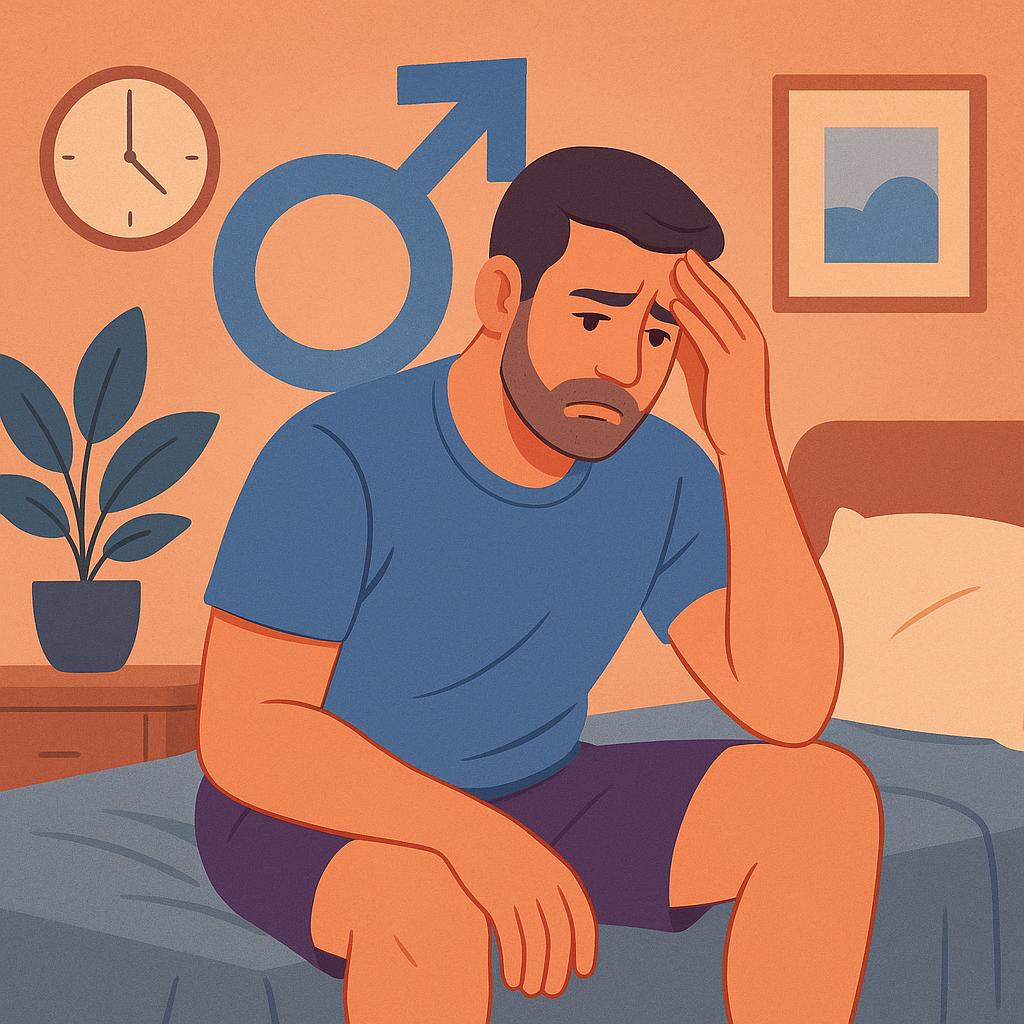
When men report night erections but struggle with ED during waking hours, psychological factors may come into play. Unlike physical causes related to vascular or neurological issues, psychological erectile dysfunction stems from emotional, cognitive, or relational concerns. Anxiety, stress, depression, and relationship issues are potential contributors.
Diagnosing Psychological Erectile Dysfunction
Diagnosing psychological ED involves a comprehensive evaluation that rules out organic causes. One common method is monitoring NPT using a device to measure erections during sleep. If night erections are present, it suggests that the physical structures necessary for an erection are functioning properly, pointing instead towards a psychological origin of ED.
Treatment Approaches
Treatment for psychological erectile dysfunction can be multifaceted. Psychotherapy, particularly cognitive-behavioral therapy, is often employed to address underlying psychological conditions. Stress management techniques, including mindfulness, meditation, and relaxation exercises, may also be beneficial. Additionally, improving communication with a partner can alleviate relationship-related stressors contributing to ED.
In certain cases, a collaborative approach involving both psychological therapy and medical intervention, such as pharmacotherapy with PDE5 inhibitors, may be recommended. These medications help enhance erectile function without addressing the underlying psychological issues. Therefore, a comprehensive strategy that includes both emotional and physical components provides the best chance for effective management.
The Importance of a Holistic Approach
Addressing erectile dysfunction, especially when psychological factors are involved, requires a holistic approach. This includes not only medical evaluation and treatment but also an understanding of the psychosocial aspects impacting sexual health. Patients should be encouraged to communicate openly with healthcare providers and partners to address all dimensions of their condition.
References
National Institute of Diabetes and Digestive and Kidney Diseases. Erectile Dysfunction.
Mayo Clinic. Erectile Dysfunction.
Cleveland Clinic. Erectile Dysfunction.
Urology Care Foundation. Erectile Dysfunction.
Centers for Disease Control and Prevention. About Sleep and Sleep Disorders.