
SEO_TITLE:
Understanding Performance Anxiety and Chronic ED
SEO_DESCRIPTION:
Explore how sudden remission of performance anxiety can lead to chronic erectile dysfunction. Learn about causes, diagnosis, and treatment options.
FOCUS_KEYPHRASE:
Performance anxiety and chronic ED
SLUG:
performance-anxiety-chronic-ed
SOCIAL_TITLE:
Performance Anxiety and Chronic Erectile Dysfunction
SOCIAL_DESCRIPTION:
Discover the link between sudden relief from performance anxiety and the gradual onset of chronic erectile dysfunction, including symptoms and treatment options.
WORDPRESS_TITLE:
Understanding the Link Between Performance Anxiety and Chronic Erectile Dysfunction
ARTICLE_HTML:
Understanding Performance Anxiety and Chronic Erectile Dysfunction
Introduction to Performance Anxiety and Chronic Erectile Dysfunction
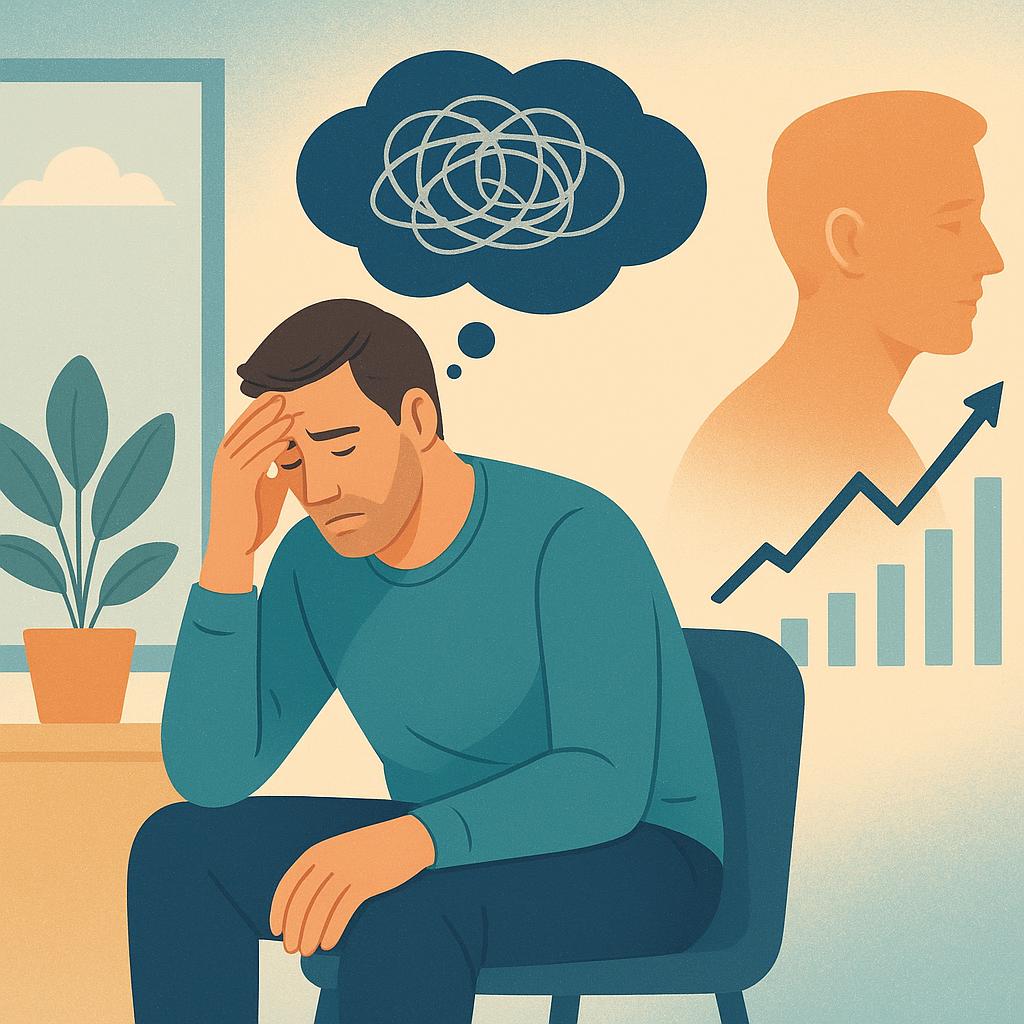
Performance anxiety in intimate situations is a common issue many men face. Interestingly, while performance anxiety may resolve suddenly for some, this cessation can often be followed by the gradual onset of chronic erectile dysfunction (ED). Understanding this transition is crucial in addressing the broader scope of men’s urological health.
What is Performance Anxiety?
Performance anxiety happens when stress and worry about sexual performance lead to difficulties achieving or maintaining an erection, overshadowing intimacy. It’s characterized by a psychological state that affects physical function, often associated with fear of failure or embarrassment.
Causes of Performance Anxiety
Several factors contribute to performance anxiety, including past negative sexual experiences, stress, and relationship issues. Psychological factors are predominant, although they may intersect with physical concerns in some cases.
The Onset of Chronic Erectile Dysfunction
For some individuals who experience sudden relief from performance anxiety, a new concern—chronic erectile dysfunction—may arise. Chronic ED is a more persistent condition requiring medical evaluation and management.
Understanding Chronic ED
While psychological factors like performance anxiety may initiate ED, chronic erectile dysfunction often involves additional physical components. Vascular, hormonal, neurological, or medication-related aspects can all contribute to this condition’s development.
Diagnosing Erectile Dysfunction
Diagnosis of erectile dysfunction involves a comprehensive approach to identify underlying causes. Healthcare providers may conduct physical exams, review medical history, and recommend tests to assess vascular function and hormonal levels.
Treatment Options for Erectile Dysfunction
Effective management of ED often requires a multifaceted approach. Treatment options may include lifestyle modifications, pharmacotherapy, or psychotherapy, tailored to the specific needs of the patient.
Medications and Therapies
Oral medications, such as phosphodiesterase inhibitors, are commonly prescribed for ED. Psychotherapy can also be essential, addressing emotional and psychological factors contributing to the condition. Lifestyle changes, such as regular exercise and a balanced diet, can further aid in managing symptoms.
Concluding Thoughts
Sudden remission of performance anxiety followed by chronic erectile dysfunction can be a perplexing journey. Recognizing and addressing the multifactorial aspects of ED is vital in managing the condition effectively. Collaboration with healthcare professionals enables tailored treatment strategies that consider both psychological and physical dimensions of erectile dysfunction.
References
National Institute of Diabetes and Digestive and Kidney Diseases. Erectile Dysfunction.
Mayo Clinic. Erectile Dysfunction.
Cleveland Clinic. Erectile Dysfunction.
Urology Care Foundation. Erectile Dysfunction.
American Urological Association. Erectile Dysfunction.