
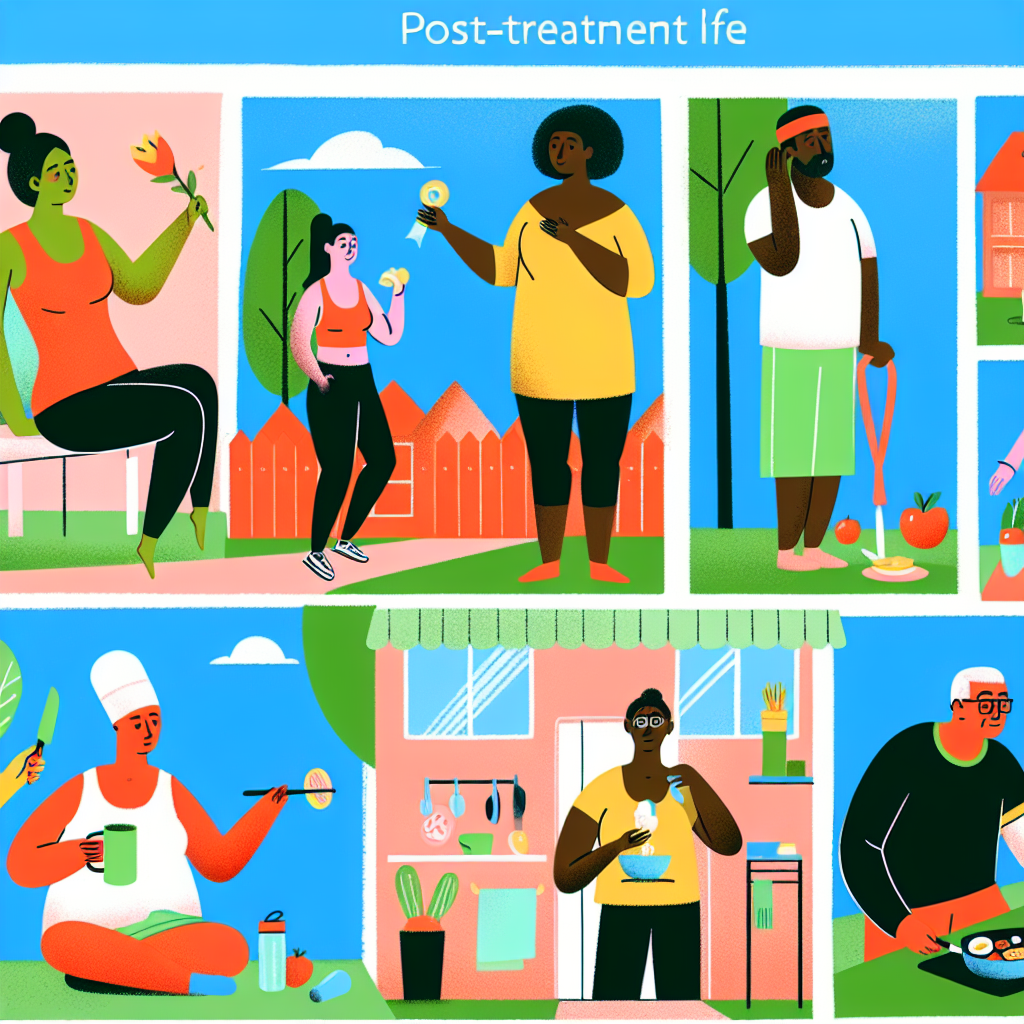
Post-Treatment Life: Long-Term Lifestyle Habits That Reduce Recurrence
Completing cancer treatment is a significant achievement—one that brings hope, a renewed sense of freedom, and a fresh start. However, the journey doesn’t end there. For many survivors, life after treatment also brings questions and concerns, particularly around the possibility of cancer returning.
The good news is that survivors have powerful tools at their disposal. By adopting sustainable, health-conscious habits, you can take meaningful steps to reduce the risk of recurrence and improve your overall quality of life.
Below are eight proven strategies that promote long-term well-being and help you thrive in your post-treatment life.
Focus on a Nutrient-Rich, Plant-Forward Diet
Eating for wellness after cancer treatment is more than a guideline—it’s a proactive approach to protect your long-term health. According to a 2020 study published in Nutrients, diets rich in whole plant foods may lower the risk of cancer recurrence and mortality by up to 24 percent.
Benefits of a plant-forward diet include:
– Boosted immune function
– Reduced inflammation
– Better weight management
Tips to build your plate:
– Fill half your plate with colorful vegetables and fruits to maximize your fiber and antioxidant intake.
– Choose complex carbohydrates like quinoa, brown rice, or sweet potatoes for lasting energy.
– Incorporate healthy fats from sources like avocados, flaxseeds, olive oil, and fatty fish.
Avoid or minimize consumption of processed meats, added sugars, and fried or ultra-processed foods, which have been associated with a higher recurrence risk.
Dietitian Stacy Kennedy, MPH, RD, notes, “What you eat every day matters. There’s solid evidence that overall eating patterns—not just individual nutrients—affect cancer outcomes.”
Commit to Regular Physical Activity
Movement is a powerful post-treatment tool. The American Cancer Society reports that consistent physical activity can reduce recurrence risk by up to 40 percent for breast, colon, and prostate cancers.
Creating your exercise routine:
– Aim for at least 150 minutes of moderate-intensity activity each week, such as brisk walking, swimming, or cycling.
– Include strength training two days a week with bodyweight exercises, resistance bands, or light weights.
Start small—try 10 to 15-minute walks and gradually build your endurance. Focus on progress, not comparison. Every step forward supports your overall health.
Consider community programs like the Livestrong Foundation’s free fitness classes at local YMCAs, tailored to cancer survivors.
Achieve and Maintain a Healthy Weight
Carrying extra weight is linked to increased recurrence risk, especially in cancers such as breast and colorectal. The World Cancer Research Fund highlights that obesity can heighten recurrence risk by more than 30 percent.
Excess fat tissue can produce hormones and inflammatory chemicals that foster cancer growth.
Ways to maintain a healthy weight:
– Embrace a plant-based diet and active lifestyle.
– Avoid extreme or fad diets. Aim for realistic, gradual changes.
– Even modest weight loss (just five to ten percent of body weight) can lower inflammation and improve metabolic health.
If weight management feels challenging, consider working with a certified health coach or oncology nutritionist.
Reduce or Eliminate Alcohol Consumption
Alcohol is classified by the World Health Organization as a known carcinogen, meaning it’s scientifically proven to contribute to cancer. Even small amounts of alcohol can increase recurrence risks, particularly for liver and breast cancers.
General alcohol guidelines:
– Women: No more than one drink per day
– Men: No more than two drinks per day
Many survivors choose to avoid alcohol completely. If you’re uncertain about what’s right for you, consult your healthcare team. You can also explore trustworthy health information sources like edrugstore.com for insight into how alcohol may interact with your medications or lifestyle changes.
Quit Smoking and Stay Smoke-Free
If you have a history of smoking, there’s no better time to quit. Smoking is associated with a higher risk of recurrence and secondary cancers. The National Cancer Institute reports that survivors who continue to smoke face two to three times the risk of recurrence.
Health benefits of quitting:
– After one day, blood circulation and oxygen levels begin to improve.
– Over time, risk of new cancers, heart disease, and lung conditions decreases significantly.
Options to support quitting:
– Prescription medications
– Nicotine replacement therapies
– Behavioral counseling or support groups
Talk to your provider about creating a quit plan tailored to your lifestyle.
Prioritize Your Mental Health and Emotional Wellness
Your emotional health plays a major role in your physical recovery. It’s normal to experience fear, anxiety, or depression after treatment—but these challenges are manageable and treatable.
Ways to support your mental health:
– Work with a licensed counselor or therapist
– Join a local or virtual survivor support group
– Practice mindfulness or meditation using apps like Headspace or Calm
– Keep a gratitude or personal journal to process emotions and celebrate milestones
As author and survivorship coach Tamika Felder reminds, “Thriving after cancer isn’t just physical. It’s about finding joy again.”
Stay Committed to Follow-Up Care
Consistent follow-up appointments are another essential line of defense against recurrence. Your healthcare providers monitor for early signs of recurrence and help manage any long-term effects of treatment.
Your follow-up care might include:
– Routine bloodwork, scans, mammograms, or colonoscopies
– Adjustments to ongoing medications, like hormone therapy
– Assessments of your physical and emotional health
Don’t skip these appointments. Add them to your calendar and stay in close communication with your care team.
Rediscover Purpose and Create Balance
Post-treatment life is an opportunity to reconnect with who you are and what brings you meaning. Living with purpose and emotional balance contributes significantly to your overall wellness.
Questions to reflect on:
– What do I value most now?
– How do I want to spend my time—and with whom?
– Are there passions or goals I’ve put aside that I want to revisit?
Ways to bring more joy into life:
– Explore creativity—writing, painting, gardening, or music
– Volunteer for a cause that matters to you
– Travel or take peaceful nature walks
– Get involved with community groups or spiritual circles
As holistic health advocate Kris Carr says, “Healing isn’t about checking boxes. It’s about tuning into your body and soul—and honoring what they truly need.”
Final Thoughts: Embrace the Next Chapter
Your life after treatment holds potential for vibrancy, meaning, and holistic health. While the fear of recurrence is valid, the steps you take to care for your body and mind can make a powerful difference.
By prioritizing long-term wellness strategies—from nourishing food and daily movement to cultivating joy and emotional connection—you equip yourself to stay strong and resilient.
This chapter is your opportunity to thrive—not just survive.
Helpful Resources and References
– American Cancer Society. (2022). Nutrition and Physical Activity Guidelines for Cancer Survivors. https://www.cancer.org/
– National Cancer Institute. (2021). Cancer Survivorship. https://www.cancer.gov/
– World Cancer Research Fund. (2020). Diet, Nutrition, Physical Activity and Cancer: A Global Perspective. https://www.wcrf.org/
– Fritz, H., Saad, F., & Vora, R. (2020). Diet and Cancer Survivorship: Evidence-Based Guidelines. Nutrients.
More support:
– For medication and recovery insights: edrugstore.com
– Post-treatment fitness tools and survivor groups: Livestrong.org
– Personalized oncology nutrition advice: oncologyrdnutrition.com
