Exploring the Impact of Serotonin from Antidepressants on Erectile Problems
Understanding Serotonin and Its Role in Erectile Function
The link between serotonin from antidepressants and uneven erectile problems is a nuanced topic within men’s health and urology. Serotonin, a neurotransmitter primarily known for its role in mood regulation, also influences various bodily functions, including sexual performance. Antidepressants that alter serotonin levels can potentially impact erectile function, leading to challenges such as erectile dysfunction (ED).
How Antidepressants Affect Serotonin Levels
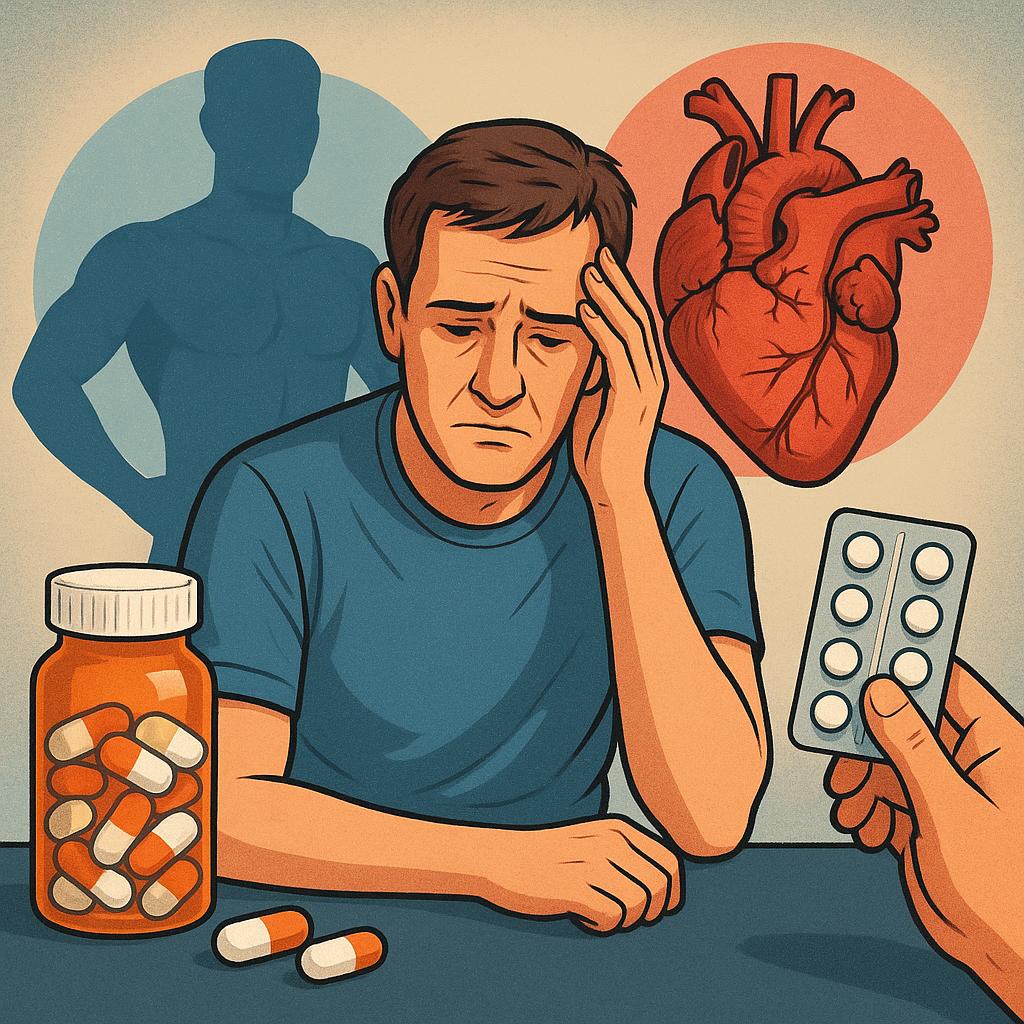
Antidepressants, particularly Selective Serotonin Reuptake Inhibitors (SSRIs), are commonly prescribed to treat depression and anxiety disorders. These medications increase serotonin levels in the brain, alleviating mood disorders. Despite their benefits, SSRIs may unintentionally affect sexual health. The increase in serotonin can alter the balance of neurotransmitters necessary for sexual arousal and erection.
The Connection Between Serotonin and Erectile Dysfunctions
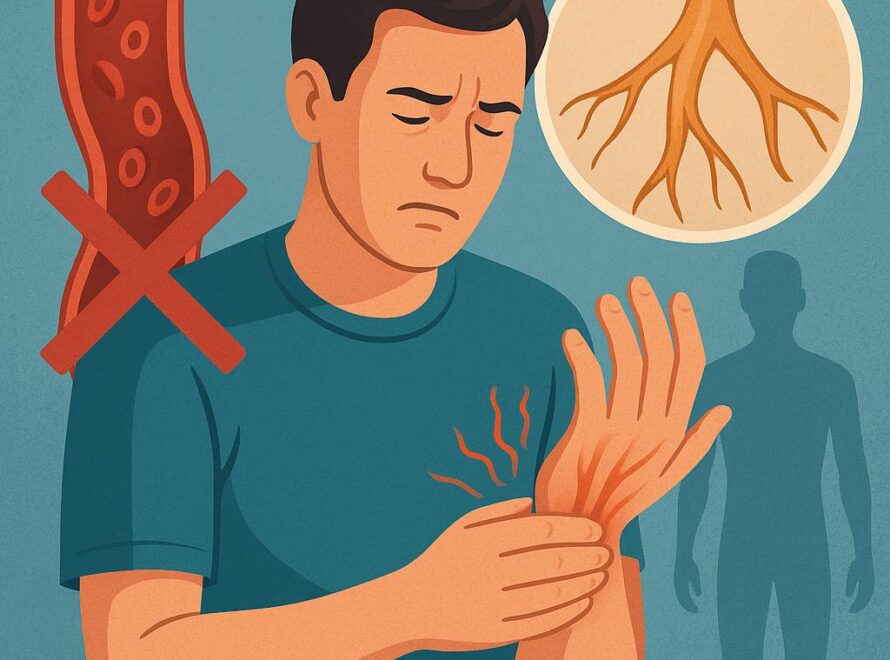
Erectile dysfunction is a multifactorial issue that can involve psychological, neurological, hormonal, and vascular components. The role of serotonin is crucial as it influences the brain’s signaling, which is important for initiating an erection. Elevated serotonin levels can inhibit dopamine, a neurotransmitter involved in sexual arousal, potentially leading to decreased libido and erectile difficulties.
Recognizing Symptoms of Erectile Dysfunction
Symptoms of erectile dysfunction associated with antidepressant use can include inconsistent ability to achieve an erection, decreased sexual desire, and difficulties maintaining an erection during sexual activity. It’s important for patients to discuss any such symptoms with their healthcare provider, as they can significantly impact quality of life.
Evaluating Treatment Options
Treatment for antidepressant-related erectile dysfunction may involve several strategies. It is critical to assess whether the antidepressant is necessary or if alternative medications could be considered that might have fewer sexual side effects. Adjusting the dosage or timing of the medication, incorporating erectile dysfunction treatments such as phosphodiesterase type 5 inhibitors (e.g., sildenafil), or integrating therapy sessions focusing on sexual health may be proposed as part of a comprehensive care plan.
Preventive Measures and Monitoring
Open communication between patient and healthcare provider is crucial in preemptively addressing potential sexual side effects from antidepressants. Regular monitoring of symptoms, adjustment of medications, and possibly early intervention can mitigate long-term effects. Lifestyle adjustments such as regular exercise, a healthy diet, and stress reduction techniques may also support sexual health in conjunction with medical treatment.
References
Mayo Clinic. Erectile Dysfunction.
National Institute of Diabetes and Digestive and Kidney Diseases. Erectile Dysfunction.
American Urological Association. Erectile Dysfunction.
Cleveland Clinic. Erectile Dysfunction.
National Institutes of Health. Serotonin and Sexual Function.