Stress-Induced Erectile Dysfunction Explained
What is Stress-Induced Erectile Dysfunction?
Stress-induced erectile dysfunction, also known as situational erectile dysfunction, is a type of condition where men experience difficulty in maintaining an erection during high-pressure or stressful situations. Unlike chronic erectile dysfunction, which occurs during almost every sexual encounter, stress-induced ED is intermittent and specifically linked to particular circumstances. Understanding this condition and its underlying causes can help affected individuals seek appropriate treatment.
Causes of Stress-Induced Erectile Dysfunction
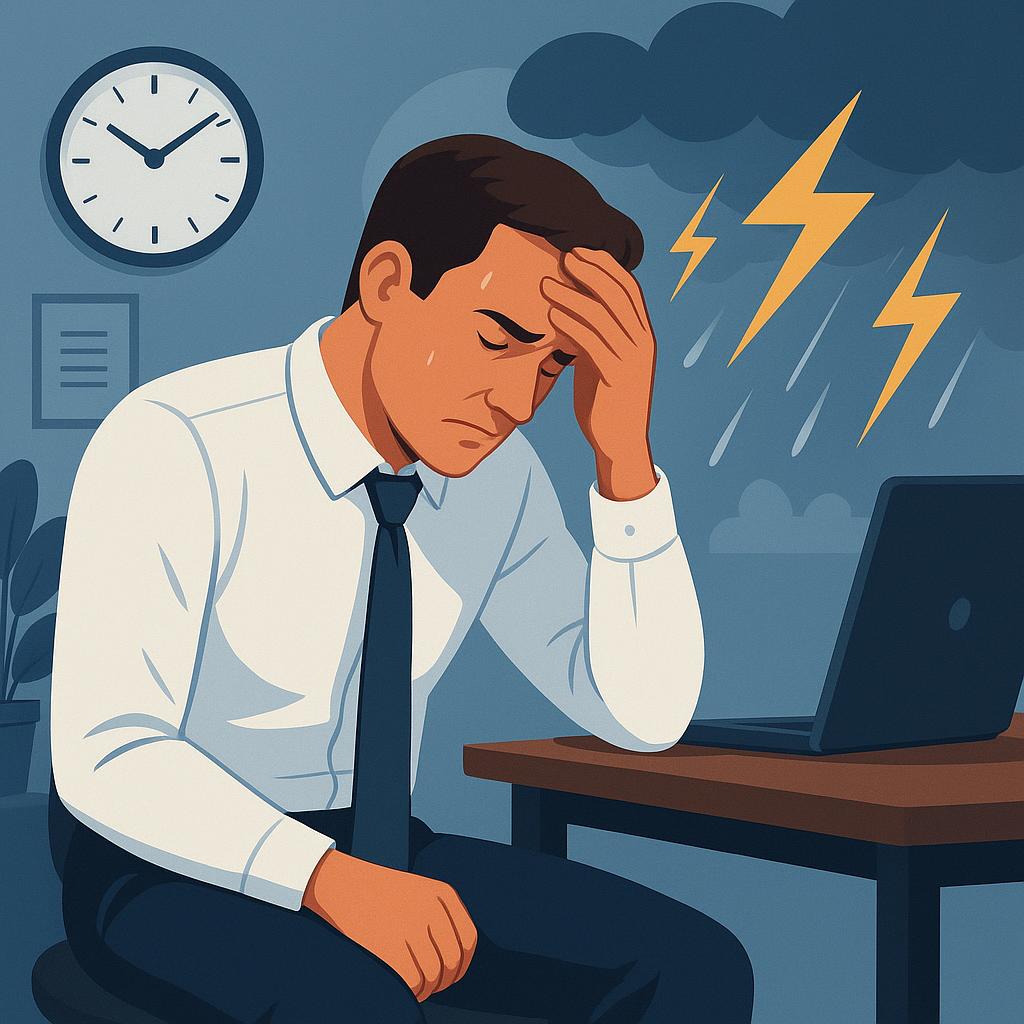
Erectile dysfunction can stem from various physical, psychological, and lifestyle factors. In the case of stress-induced ED, psychological factors are often predominant. Performance anxiety, relationship issues, and work-related stress can all trigger erectile problems. During these moments of intense pressure, the body’s fight or flight response is activated, diverting blood away from less critical functions like sexual arousal to prioritize essential survival mechanisms.
Additionally, stress can disrupt hormone levels, which may contribute to erectile dysfunction. Elevated cortisol levels, for instance, may impact testosterone production, a hormone essential for sexual function. Furthermore, existing medical conditions such as hypertension or diabetes, which can impair vascular function, might also exacerbate stress-induced erectile challenges.
Diagnosing Stress-Induced Erectile Dysfunction
Accurate diagnosis of erectile dysfunction involves a comprehensive assessment by a healthcare provider. A detailed medical history, along with a discussion of the symptoms’ onset and circumstances, can often help in identifying stress as a potential trigger. Stress tests or questionnaires might be used to evaluate psychological factors further. Blood tests may also be recommended to rule out other underlying conditions that could contribute to erectile dysfunction.
Treatment Options for Stress-Induced Erectile Dysfunction
Treatment for stress-induced erectile dysfunction focuses largely on addressing the psychological contributors and improving overall well-being. Lifestyle changes such as regular exercise, healthy eating, and stress management techniques can significantly reduce stress levels. Practicing mindfulness, yoga, or meditation are popular methods to manage stress effectively.
Cognitive-behavioral therapy (CBT) and counseling can be beneficial for those whose erectile dysfunction is linked to psychological factors. These therapies can address performance anxiety and help modify negative thought patterns associated with sexual function.
For individuals with infrequent yet persistent issues, healthcare providers might recommend medications like phosphodiesterase type 5 (PDE5) inhibitors. However, these medications should only be used under medical supervision, and it’s crucial to consider potential side effects and interactions with other drugs.
Prevention and Management
While it might not always be possible to completely prevent stress-induced erectile dysfunction, adopting a healthy lifestyle can decrease the likelihood of occurrence. Recognizing stressors and learning to manage them effectively can play a vital role in maintaining sexual health. Establishing open communication with partners can also alleviate performance pressure and improve intimacy.
For men who experience stress-related erectile dysfunction, addressing the root cause is key to regaining confidence. With appropriate support and interventions, most individuals can successfully manage their symptoms and enhance their quality of life.
References
National Institute of Diabetes and Digestive and Kidney Diseases. Erectile Dysfunction.
Mayo Clinic. Erectile Dysfunction.
Cleveland Clinic. Erectile Dysfunction.
Urology Care Foundation. Erectile Dysfunction.
American Urological Association. Erectile Dysfunction.