
SEO_TITLE:
Temperature-Sensitive ED: Thyroid and Nerve Links
SEO_DESCRIPTION:
Explore how temperature-sensitive erectile dysfunction may indicate underlying thyroid or nerve disorders. Understand causes, symptoms, and potential treatments.
FOCUS_KEYPHRASE:
temperature-sensitive erectile dysfunction
SLUG:
temperature-sensitive-ed-thyroid-nerve
SOCIAL_TITLE:
Could Temperature-Sensitive ED Indicate Thyroid Issues?
SOCIAL_DESCRIPTION:
Learn how temperature-sensitive erectile dysfunction might signal thyroid or nerve disorders. Insights on symptoms, causes, and management strategies.
WORDPRESS_TITLE:
Temperature-Sensitive Erectile Dysfunction: Thyroid and Nerve Disorder Links
ARTICLE_HTML:
Temperature-Sensitive Erectile Dysfunction: Exploring Thyroid and Nerve Disorder Links
Understanding Temperature-Sensitive Erectile Dysfunction
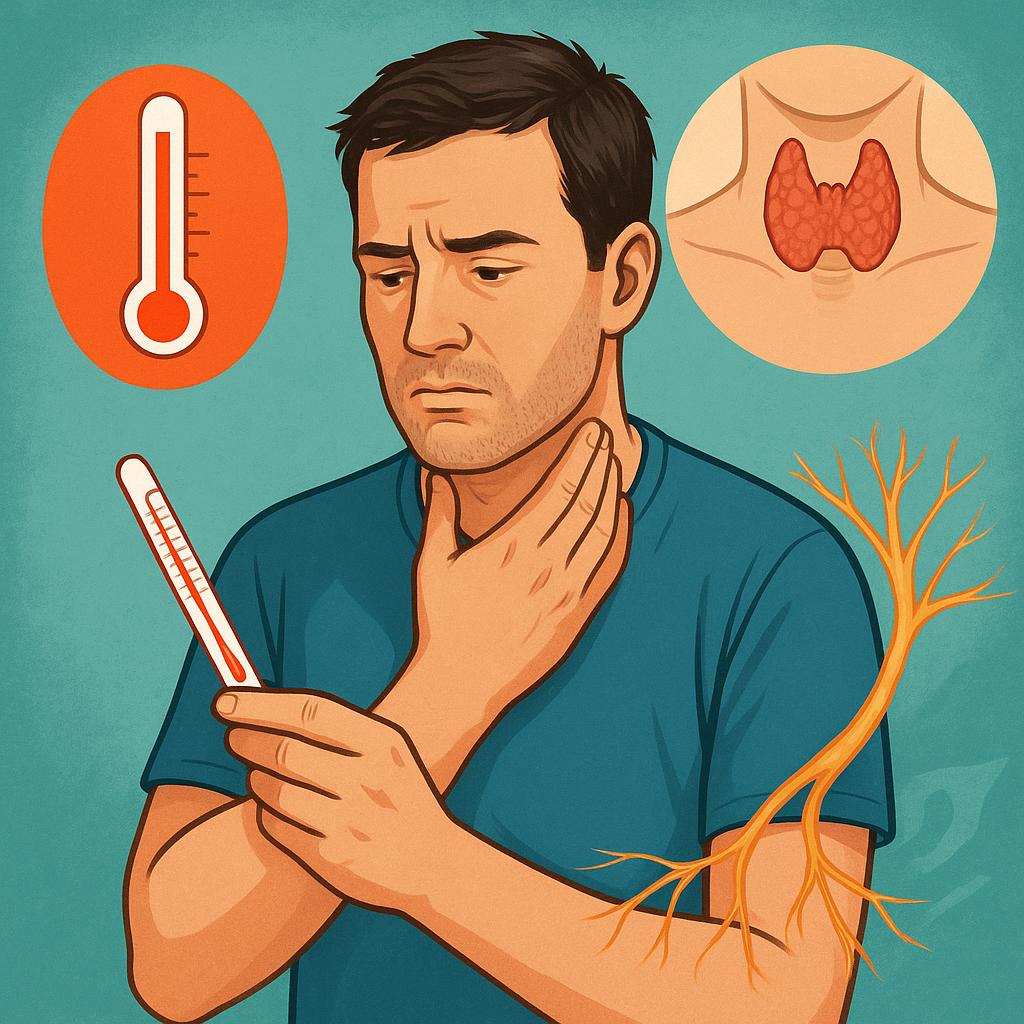
Temperature-sensitive erectile dysfunction (ED) is a unique manifestation where symptoms respond to changes in temperature. This condition can point to underlying thyroid or nerve disorders, making it crucial to explore the potential causes and implications.
Potential Causes of Temperature-Sensitive ED
One potential cause of temperature-sensitive ED is thyroid dysfunction. The thyroid gland, part of the endocrine system, plays a pivotal role in hormone regulation, including those affecting sexual function. An overactive or underactive thyroid can disrupt hormone levels, leading to erectile issues.
Nerve disorders are another factor that may contribute to temperature-sensitive ED. Peripheral neuropathy, a condition affecting the peripheral nerves, can alter nerve signaling to the penis, affecting erectile function. This can be exacerbated by temperature changes, making men more sensitive to hot or cold environments.
Symptoms and Diagnosis
Signs of temperature-sensitive ED often include erectile difficulties that fluctuate with exposure to temperature variations. Men may notice improved erectile function in warmer settings and a decline in colder environments, or vice versa.
The diagnosis of temperature-sensitive ED typically involves a comprehensive medical evaluation. A healthcare provider may assess hormone levels to check for thyroid dysfunction and conduct neurological examinations to identify potential nerve issues. Additional tests, such as blood work or imaging studies, may be used to rule out other causes and confirm the diagnosis.
Treatment Options
Treatment for temperature-sensitive ED generally focuses on managing the underlying condition, whether it is thyroid-related or nerve-related. For thyroid dysfunctions, medications to regulate thyroid hormones can be effective. In cases where nerve disorders are identified, therapies to enhance nerve health and address specific nerve issues may be considered.
Beyond treating underlying conditions, lifestyle modifications can also play a vital role. Maintaining a healthy diet, regular exercise, and avoiding known triggers such as extreme temperatures can help manage symptoms. Psychological counseling or therapy may be recommended to address any concurrent psychological factors contributing to ED.
Seeking Medical Advice
It is essential for individuals experiencing temperature-sensitive ED to seek medical guidance. Early detection and treatment of thyroid or nerve disorders can significantly improve outcomes and enhance quality of life. Healthcare professionals can provide personalized advice and develop a tailored treatment plan based on specific needs.
References
National Institute of Diabetes and Digestive and Kidney Diseases. Erectile Dysfunction.
Mayo Clinic. Erectile Dysfunction.
Cleveland Clinic. Erectile Dysfunction.
Urology Care Foundation. Erectile Dysfunction.
American Urological Association. Erectile Dysfunction.