
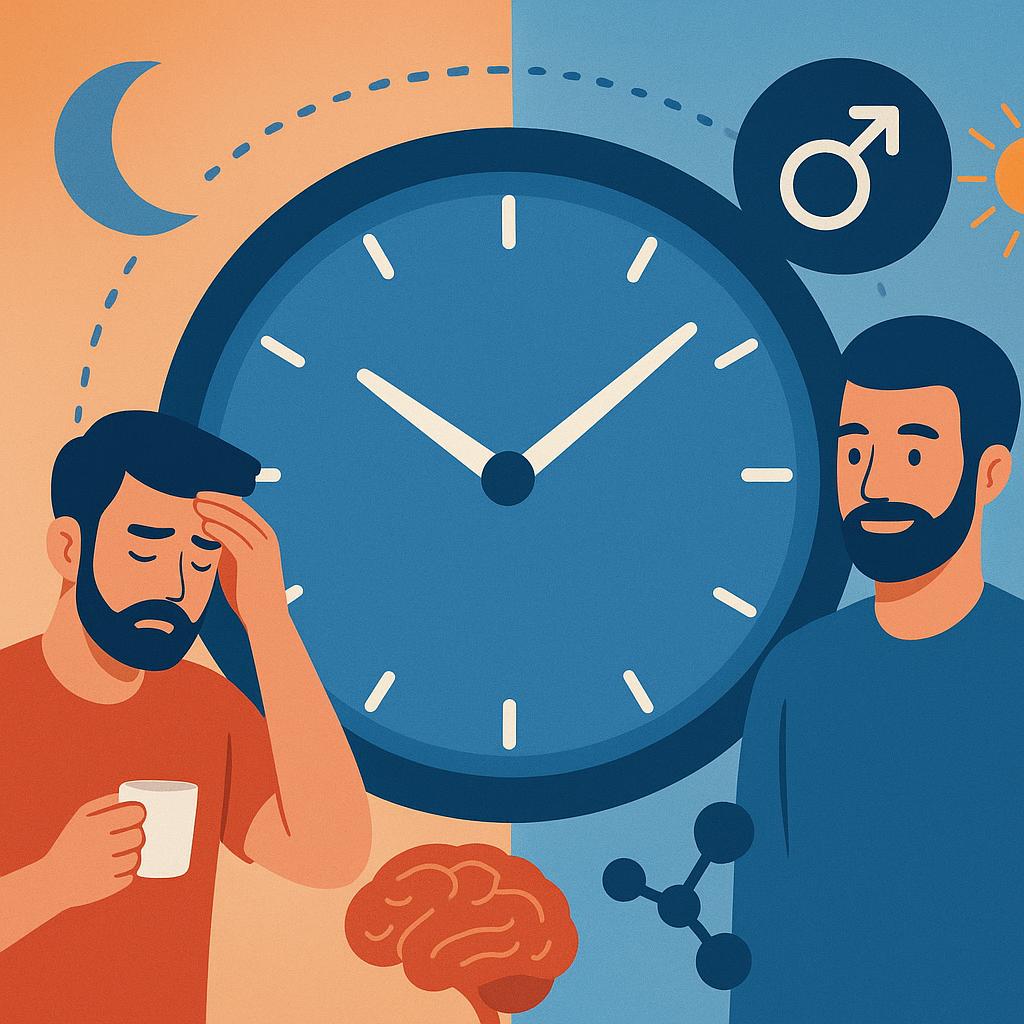
Understanding Time of Day Erectile Dysfunction
Erectile dysfunction (ED) is a common issue affecting men worldwide, characterized by the inability to achieve or maintain an erection sufficient for satisfactory sexual performance. Typically, ED is attributed to a variety of factors including vascular, neurological, psychological, and hormonal elements. Among these, the potential role of hormonal fluctuations as a cause of ED at specific times of the day is becoming increasingly recognized. Understanding the time of day when ED occurs without associated lifestyle changes may offer insights into hormonal contributions.
The Role of Hormones in Erectile Function
Hormones play a significant role in regulating sexual function. Testosterone, the primary male sex hormone, is essential for libido and normal erectile function. Testosterone levels naturally fluctuate throughout the day and typically peak in the morning. If ED occurs consistently at times when testosterone is expected to be lower, such as late afternoon or evening, it may suggest a dip in this crucial hormone.
Other hormones, including cortisol and adrenaline, also vary in levels and are associated with stress. Elevated stress or anxiety, common in late-working hours, can potentially reduce testosterone levels and contribute to ED. Additionally, alterations in melatonin, the hormone regulating sleep patterns, might impact erectile function, especially if sleep disorders or sleep pattern disturbances are present.
Symptoms and Diagnosis
Men experiencing ED specifically at certain times of the day should consider discussing these patterns with their healthcare provider. Notably, if ED is more prevalent in the evening compared to the morning, it may indicate hormonal imbalances, as testosterone levels are typically higher in the early hours. A detailed medical history, physical examination, and appropriate laboratory testing, including hormone levels, can be pivotal in diagnosing and understanding the underlying causes.
Treatment Considerations
Addressing time-specific ED often involves exploring the underlying hormonal imbalances. Testosterone replacement therapy may be considered for individuals identified with low testosterone levels, although it comes after a thorough discussion of potential risks and benefits with a healthcare professional. Additionally, managing stress through lifestyle adjustments and therapy may help in achieving hormonal balance and improving ED symptoms. Ensuring proper sleep hygiene and addressing any potential sleep disorders can also positively impact hormonal levels.
Hormonal Dips and Lifestyle Factors
Although hormonal fluctuations can contribute to ED at specific times, it is crucial to differentiate these from lifestyle-associated causes. Lifestyle factors such as diet, exercise, alcohol consumption, and smoking play a significant role in overall hormonal health and erectile function. Leading a healthy lifestyle is often recommended alongside any medical treatments for managing ED.
Final Thoughts
The occurrence of erectile dysfunction at particular times of the day without notable lifestyle changes may highlight potential hormonal dips. As hormones like testosterone play a crucial role in sexual health, understanding these patterns can be beneficial for diagnosis and treatment planning. Men experiencing such symptoms should seek medical evaluation to explore potential hormonal factors and other related causes for effective management of their condition.
References
National Institute of Diabetes and Digestive and Kidney Diseases. Erectile Dysfunction.
Mayo Clinic. Erectile Dysfunction.
Cleveland Clinic. Erectile Dysfunction.
Urology Care Foundation. Erectile Dysfunction.
Centers for Disease Control and Prevention. About Sleep and Sleep Disorders.