
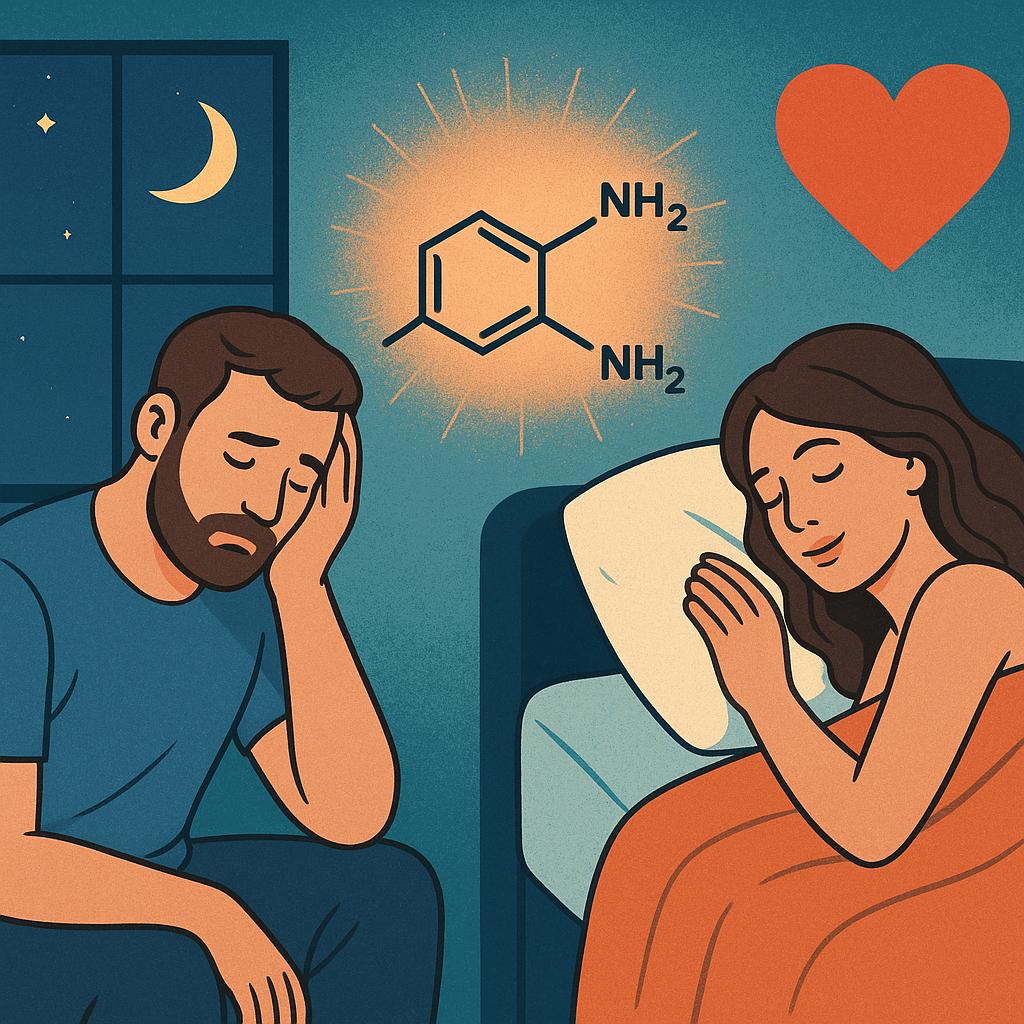
Understanding Dopamine’s Effect on Sleep and Intimacy
The Role of Dopamine in Sleep Patterns
Dopamine is a crucial neurotransmitter that significantly impacts the regulation of sleep patterns. It plays a vital role in the body’s natural wake-sleep cycle, influencing when we feel alert and when we feel tired. The function of dopamine in modulating sleep is complex and involves its interaction with several other neurotransmitters and hormones.
In the brain, dopamine is responsible for promoting wakefulness and alertness. High levels of dopamine can result in increased concentrations and reduced fatigue, contributing to difficulty in falling asleep. Conversely, during sleep, dopamine levels naturally decrease, facilitating rest and recovery.
Dopamine and Intimacy: A Complex Interaction
Importantly, dopamine does more than regulate sleep—it also plays a critical role in intimacy and sexual health. As a key player in the brain’s reward system, dopamine is associated with pleasure and motivation, which are essential components of sexual desire and performance.
The connection between dopamine, sleep, and intimacy can particularly affect men, as disruptions in sleep patterns can contribute to issues like erectile dysfunction. Sleep deprivation or irregular sleep can lead to hormonal imbalances, possibly affecting testosterone levels and dopamine signaling. Such changes might reduce libido and impact erectile function.
Erectile Dysfunction and Sleep Correlations
Erectile dysfunction (ED) can be influenced by various physical, hormonal, vascular, and psychological factors. However, sleep disruptions are commonly overlooked contributors. Conditions like sleep apnea and insomnia are often linked with increased risk for ED, potentially due to altered dopamine and hormone levels.
Sleep apnea, for instance, is characterized by repeated interruptions in breathing during sleep, which can significantly lower the levels of testosterone and other hormones. These changes in hormone levels may negatively impact dopamine function, which in turn could lead to ED.
Addressing Sleep-Related Intimacy Issues
For those experiencing disruptions in intimacy potentially related to sleep issues, including ED, it is essential to consider lifestyle modifications alongside medical interventions. Enhancing sleep hygiene can be a first step, involving consistent sleep schedules, a comfortable sleeping environment, and minimizing caffeine and alcohol intake before sleep.
If sleep disorders like sleep apnea or chronic insomnia are suspected, professional medical advice is crucial. Treatments may involve CPAP therapy for sleep apnea or cognitive-behavioral therapy for insomnia, which might also improve related intimacy issues and overall quality of life.
Recognizing the Importance of Telemedicine
Telemedicine offers a convenient platform for individuals experiencing sleep and intimacy concerns to connect with healthcare providers. This mode of healthcare delivery is particularly beneficial in managing sensitive issues such as ED, allowing for privacy and personalized care solutions.
Through telehealth services, patients can receive tailored advice on managing dopamine-related issues without the need for frequent in-person visits, which may encourage more people to seek help for sleep and intimacy-related problems.
References
Centers for Disease Control and Prevention. About Sleep and Sleep Disorders.
Cleveland Clinic. Obstructive Sleep Apnea.
Mayo Clinic. Sleep Apnea.
American Urological Association. Erectile Dysfunction.
National Institute of Diabetes and Digestive and Kidney Diseases. Erectile Dysfunction.
