
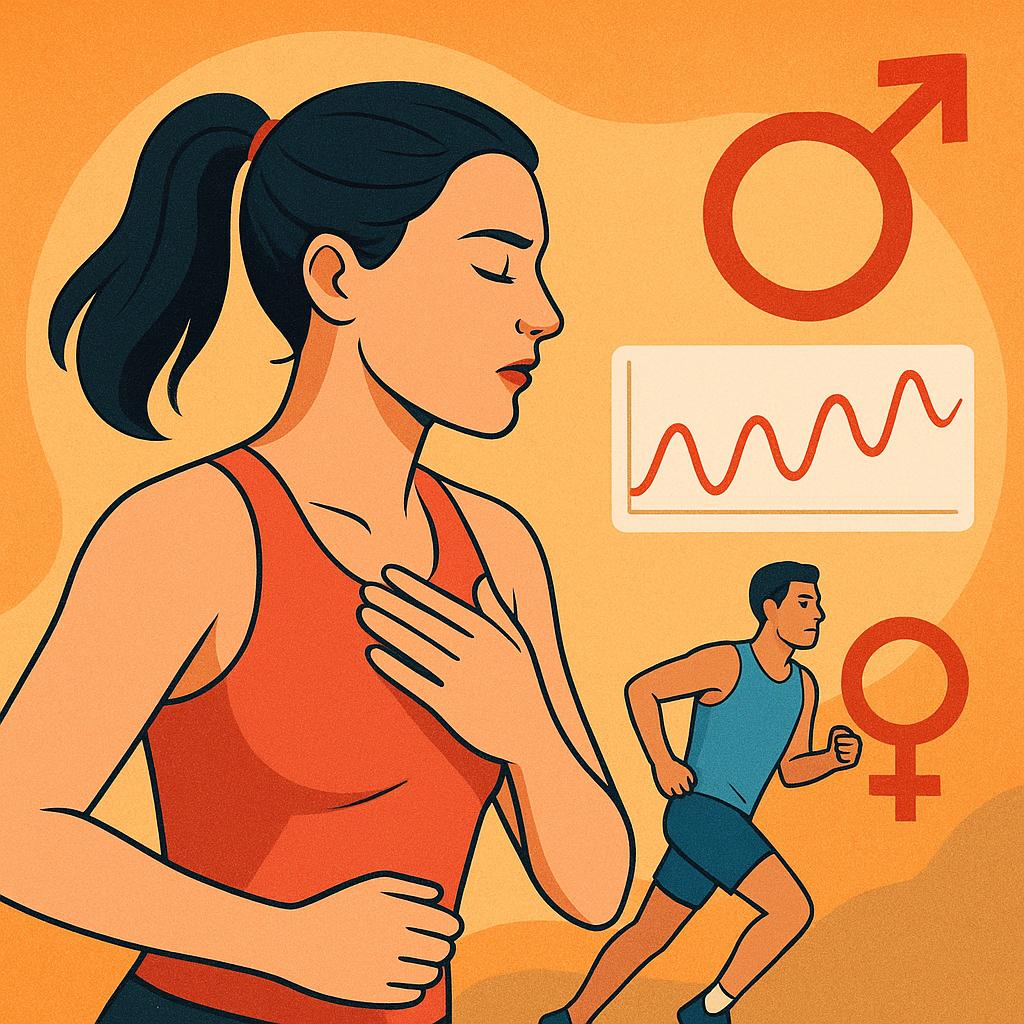
Introduction to Libido Fluctuations in Athletes
Libido, or sexual drive, can significantly fluctuate in athletes due to various factors, most notably hormonal changes. Athletes often experience physical demands and stress that can influence their hormonal balance, leading to variations in libido. Understanding these fluctuations and their potential causes is crucial for maintaining both athletic performance and overall health.
The Role of Hormones in Libido
Hormones such as testosterone and estrogen play vital roles in regulating libido. In athletes, intense physical activity can lead to hormonal shifts that impact sexual drive. Testosterone, often associated with libido, can decrease under conditions of extreme stress or overtraining, affecting both male and female athletes. Other hormones, including cortisol and endorphins, also interact in complex ways to influence libido.
Factors Contributing to Libido Variations
Physical Stress
Regular training and competition place significant stress on the body. This physical stress is necessary for improvement, yet it can contribute to hormonal imbalances. Chronic stress can increase cortisol levels, which may suppress testosterone production, thus affecting libido.
Nutrition and Energy Availability
Athletes often require carefully balanced nutrition to support their energy demands. Insufficient calorie intake or nutrient deficiencies can lead to energy deficits, affecting hormonal balance and reducing libido. Ensuring a diet that meets all nutritional needs is essential for maintaining hormonal equilibrium.
Sleep and Recovery
Adequate sleep and recovery are crucial in restoring hormonal balance. Lack of sleep disrupts the body’s natural production of hormones, including those involved in sexual drive. Prioritizing sleep hygiene and allowing proper recovery time can help mitigate libido fluctuations.
Addressing Libido Fluctuations
Athletes experiencing noticeable changes in libido should consider evaluating their lifestyle factors, including training intensity, dietary habits, and sleep patterns. Consulting healthcare professionals can provide personalized insights and strategies to manage hormonal changes effectively. In some cases, adjusting training regimens or incorporating stress-relieving practices like yoga and meditation may be beneficial.
Conclusion
Understanding the connection between hormonal changes and libido fluctuations is essential for athletes aiming to maintain both personal and professional well-being. While fluctuations can be a natural response to rigorous training, recognizing when these changes align with symptoms that require intervention is crucial. By taking a proactive approach to manage lifestyle factors and seeking professional guidance when needed, athletes can support healthy libido levels and enhance their overall quality of life.
References
Mayo Clinic. Erectile Dysfunction.
Cleveland Clinic. Erectile Dysfunction.
Centers for Disease Control and Prevention. About Sleep and Sleep Disorders.
Mayo Clinic. Sleep Apnea.