
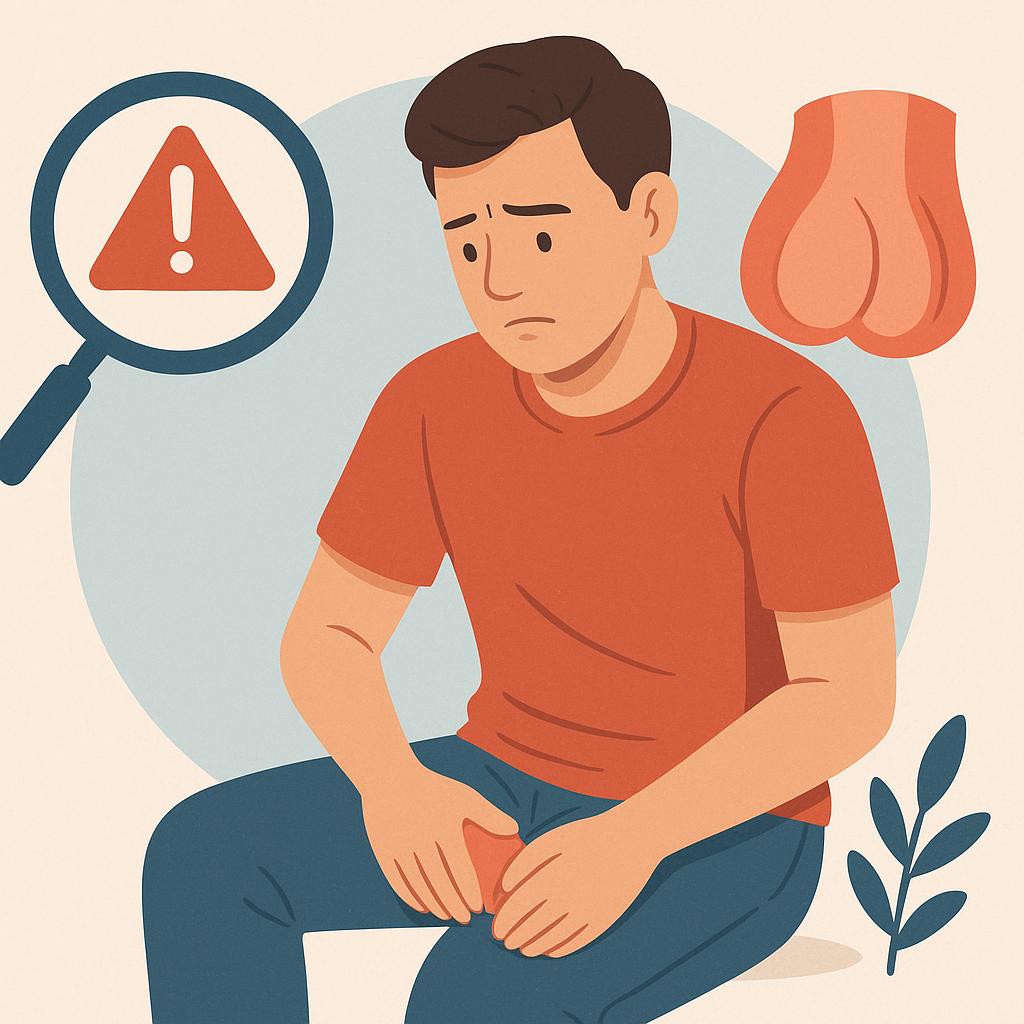
Understanding Silent Testicular Exam Red Flags Men Often Overlook
Recognizing Subtle Signs During Testicular Exams
Silent testicular exam red flags are key to identifying potential health issues that men frequently overlook. Understanding these subtle indicators not only aids in early detection but can also lead to prompt medical attention and care.
Why Regular Testicular Exams Matter
Regular testicular self-exams are crucial for men’s health. They aid in early detection of various conditions, such as testicular cancer, which is most prevalent in younger males. By recognizing abnormal signs, men can seek timely intervention from urologists.
Common Silent Red Flags
There are several signs that may be considered red flags during a testicular exam. It’s important to note any lumps or swelling, which could be indicative of underlying conditions. Additionally, changes in size, shape, or consistency should be reported to a healthcare provider.
Discomfort or pain during a self-exam, even if mild, should not be ignored. While many men experience sporadic aches, persistent pain or discomfort must be evaluated by a professional to rule out conditions such as testicular torsion or infections.
Testicular Health and Erectile Dysfunction
Erectile dysfunction (ED) can sometimes be linked to underlying testicular issues. Conditions affecting the testicles may influence hormonal balance, which in turn can impact erectile function. While not every testicular anomaly results in ED, any changes observed should prompt a comprehensive urological evaluation to assess overall health.
Potential Causes of Abnormal Findings
Certain conditions can lead to the discovery of silent red flags during a testicular exam. Testicular cancer, although relatively rare, is a serious concern that necessitates vigilance. Additionally, varicoceles, hydroceles, and infections such as epididymitis may contribute to noticeable changes.
Hormonal imbalances, which might manifest through testicular changes, can also affect erectile function. Low testosterone levels, for example, are commonly evaluated in conjunction with testicular health.
When to Consult a Healthcare Professional
Men are encouraged to consult a healthcare professional if they discover any unusual findings during a self-exam. Urologists are trained to assess these symptoms and decide on necessary diagnostic tests or treatments. Prompt consultation can make a significant difference in managing conditions effectively.
Promoting Routine Awareness
Educating men about the importance of regular self-exams and awareness of their bodies can lead to earlier detection of testicular issues. Encouraging routine examinations not only benefits individual health but can also contribute to reducing the risks associated with advanced testicular diseases.
References
American Urological Association. Erectile Dysfunction.
Urology Care Foundation. Erectile Dysfunction.
Mayo Clinic. Erectile Dysfunction.
Cleveland Clinic. Erectile Dysfunction.
National Institute of Diabetes and Digestive and Kidney Diseases. Erectile Dysfunction.