## Understanding Erectile Dysfunction During Intercourse
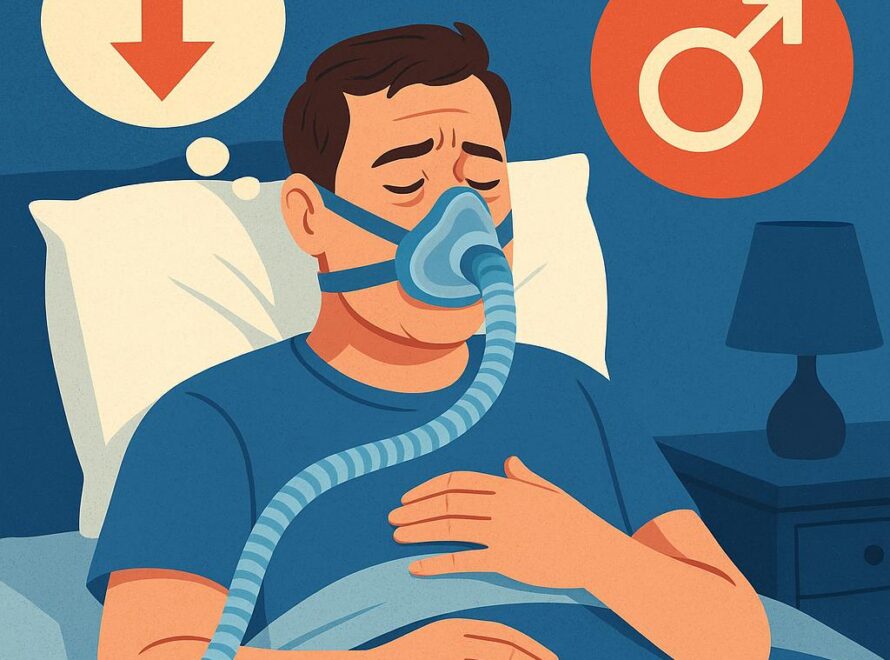
Erectile dysfunction (ED) is a prevalent issue affecting men worldwide, with approximately 30 million men in the United States alone experiencing it, according to the National Institute of Diabetes and Digestive and Kidney Diseases. ED is defined by the inability to achieve or maintain an erection sufficient for satisfactory sexual performance. A particularly interesting challenge arises when men encounter ED exclusively during intercourse but not during masturbation. Let’s delve into the reasons behind this anomaly and consider clinical insights that clarify these inconsistencies.
## The Complex Interplay of Erectile Function
Erectile function is a complex process requiring a sophisticated interplay between the mind and body. As noted by Dr. Michael Feloney, a leading urologist, “The brain initiates a cascade of events involving the nervous system, hormones, and blood flow, all working together to create and sustain an erection.” When ED occurs only during intercourse, it often points to psychological factors rather than physiological ones.
## Anxiety: A Critical Psychological Trigger
Performance anxiety is a major factor contributing to this type of ED. Men may experience intense pressure to perform during intercourse, leading to anxiety that can hinder attaining and maintaining an erection. Dr. Andrew Kramer, an expert in men’s health, explains, “This anxiety can create a vicious cycle where the fear of failure makes actual failure more likely.” However, in the context of masturbation, where external pressure is absent, achieving erections becomes more manageable.
## The Impact of Interpersonal Dynamics and Relationship Issues
Relationship dynamics can profoundly affect sexual performance. Unresolved issues or emotional disconnect with a partner may manifest physically as ED. Conversely, during masturbation, there is no pressure from these relationship dynamics, allowing for a more relaxed experience.
## Exploring Physiological Factors and Internal Conflict
While psychological influences are significant, potential physiological causes, such as hormonal imbalances or circulatory problems, should not be ignored. Identifying and addressing underlying health issues is essential. Internal conflicts, including feelings of guilt or low self-esteem, can also contribute to inconsistent sexual performance.
## Clinical Approaches to Diagnosing Erectile Dysfunction
When diagnosing ED incidents, especially those exclusive to intercourse, clinicians adopt a comprehensive approach that considers both psychological and physiological factors. A detailed medical review, combined with tools like the International Index of Erectile Function (IIEF) questionnaire, assists in diagnosing ED by evaluating sexual function, satisfaction, and erectile confidence.
## Strategies for Treatment and Management
Treating ED that occurs solely during intercourse necessitates a multifaceted approach. Cognitive-behavioral therapy can effectively alleviate performance anxiety, disrupting the cycle of stress-related ED. Couples therapy might be beneficial if relationship issues significantly impact sexual health. In some cases, medications such as phosphodiesterase type 5 (PDE5) inhibitors are prescribed to improve blood flow and facilitate erections.
## Lifestyle Adjustments and Supportive Interventions
Lifestyle modifications can support overcoming ED challenges. Regular physical activity, a balanced diet, and sufficient sleep are crucial for reducing anxiety and enhancing overall health. Stress-reduction techniques, including yoga or mindfulness, can also be beneficial. Open communication with a partner is vital, fostering a supportive environment where both partners collaborate to improve their situation.
## Conclusion: Addressing the Multidimensional Nature of ED
ED experienced exclusively during intercourse highlights the intricate interaction of psychological, physiological, and relational factors in sexual health. Understanding these complexities is essential for developing effective treatment strategies. Men facing these symptoms are encouraged to seek professional assistance, as numerous resources and therapies can help restore confidence and sexual satisfaction. With informed awareness and supportive interventions, individuals can tackle this challenge and improve their quality of life.
**References**
– Rosen, R. C., Riley, A., Wagner, G., Osterloh, I. H., Kirkpatrick, J., & Mishra, A. (1997). The International Index of Erectile Function (IIEF): A multidimensional scale for assessing erectile dysfunction. Urology, 49(6), 822-830.
– National Institute of Diabetes and Digestive and Kidney Diseases. (n.d.). Erectile Dysfunction. Retrieved from [NIDDK Website](https://www.niddk.nih.gov/health-information/urologic-diseases/erectile-dysfunction)