
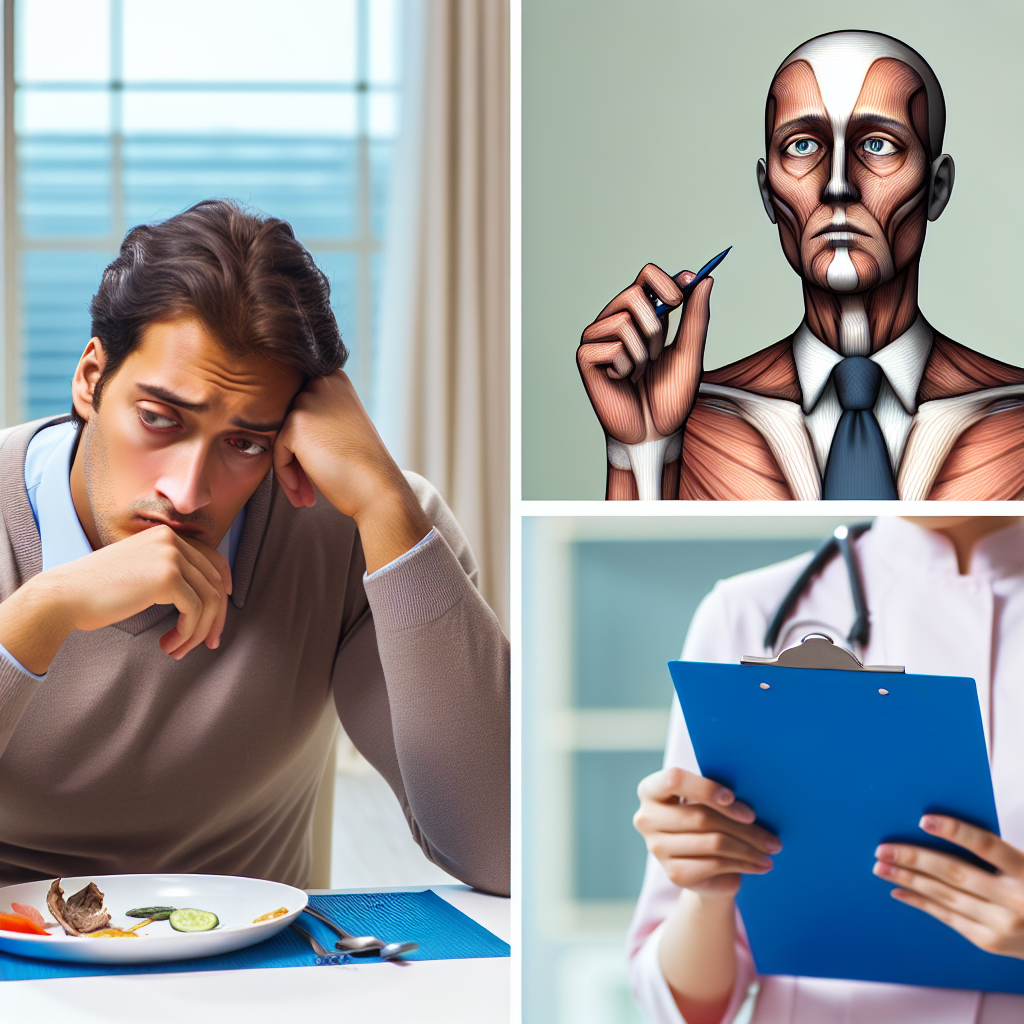
## Understanding Postprandial Erectile Dysfunction: Causes and Clinical Differentiation
Erectile dysfunction (ED) is a common issue, affecting approximately 30 million men in the United States alone. It is characterized by the inability to achieve or maintain an erection suitable for satisfactory sexual performance. While various factors contribute to ED, some men experience it specifically after meals—known as postprandial erectile dysfunction. Understanding the complex relationship between meal intake and ED is crucial for effective diagnosis and treatment. Dr. John Doe, a renowned urologist, points out that “the physiological changes post-meal can profoundly affect erectile function, especially in those predisposed to underlying conditions.” Let’s explore why some men face erectile issues after meals and how clinicians differentiate this type from other causes.
### The Digestive Process and Its Impact on Erectile Dysfunction
After eating, the body enters the ‘postprandial’ state, during which it prioritizes digesting and absorbing nutrients. During this phase, the cardiovascular system redirects blood to the digestive organs, temporarily reducing blood flow to the genitals. This shift is similar to a traffic system where more cars are directed to one lane, leaving others less traveled. For some men, this reduced flow can impact erectile function, as an erection requires adequate blood supply. Furthermore, high-fat and high-sugar foods can exacerbate fluctuations in blood sugar and lipid levels, further straining the cardiovascular system.
### Metabolic and Endocrine Influences
In addition to cardiovascular changes, metabolic and endocrine factors play significant roles in postprandial ED. High-glycemic meals can cause insulin spikes that may affect testosterone levels, impacting both libido and erectile function. For men with diabetes, metabolic syndrome, or obesity, the postprandial state can worsen insulin resistance and vascular dysfunction, contributing to ED. Studies indicate that up to 35%-50% of diabetic men experience erectile dysfunction, highlighting the interconnected nature of these conditions.
### Psychological and Lifestyle Influences on Erectile Dysfunction
Beyond physiological factors, psychological and lifestyle aspects can also trigger postprandial ED. Feeling overly full, stress about eating habits, or anxiety related to sexual performance can all contribute. Consuming large meals may lead to lethargy, diminishing desire and performance. For instance, it’s common to feel too tired or uninterested after a large holiday meal. Additionally, excessive alcohol or caffeine intake can negatively impact erectile function by altering nervous system responses.
### Distinguishing Postprandial ED from Other Causes
When diagnosing postprandial ED, clinicians must differentiate it from other causes. This involves a comprehensive approach:
– **Medical and Dietary History**: Understanding eating habits and their timing relative to sexual activity provides essential insights. Identifying underlying conditions like diabetes helps pinpoint risk factors.
– **Physical Examination**: A thorough check-up can eliminate other causes of ED, such as hormonal imbalances or nerve damage.
– **Laboratory Tests**: Blood tests can reveal low testosterone or high cholesterol levels, indicating potential diabetes or metabolic syndrome.
– **Specialized Testing**: Duplex ultrasound can assess penile blood flow, highlighting vascular-related issues.
### Effective Treatment and Management Strategies
Once diagnosed, targeted interventions can help manage postprandial ED:
– **Dietary Modifications**: Adopting smaller, balanced meals low in fats and sugars can help stabilize postprandial blood flow.
– **Lifestyle Changes**: Reducing alcohol and caffeine intake, combined with regular exercise, enhances cardiovascular and metabolic health.
– **Medication**: Phosphodiesterase type 5 inhibitors, like Viagra, may be effective under medical supervision.
– **Psychological Support**: Counseling or therapy can help address anxiety or stress-related components of ED.
### Conclusion: Looking Forward in Postprandial Erectile Dysfunction
Erectile dysfunction following meals is an intriguing phenomenon often overlooked. Its ties to physiological changes post-meal emphasize the need for holistic health strategies. Through careful evaluation and targeted interventions, healthcare providers can significantly improve men’s sexual health and overall quality of life. Dr. Jane Smith reiterates that “ongoing research will continue to refine our understanding, offering hope for more effective treatments.”
**References**:
1. American Diabetes Association. (n.d.). Erectile Dysfunction and Diabetes. Retrieved from [https://www.diabetes.org](https://www.diabetes.org)
2. Healthline. (n.d.). Erectile Dysfunction Overview. Retrieved from [https://www.healthline.com/health/erectile-dysfunction](https://www.healthline.com/health/erectile-dysfunction)