## Understanding Postprandial Erectile Dysfunction: The Link Between Meals, Blood Sugar, and Sexual Health
Erectile dysfunction (ED) affects millions of men worldwide, creating challenges in achieving or maintaining an erection. While various factors can trigger ED, some men specifically encounter erectile difficulties after meals. To delve deeper into this phenomenon, it’s essential to understand the connections between digestion, blood sugar levels, and vascular health.
### The Impact of Digestion on Erectile Function
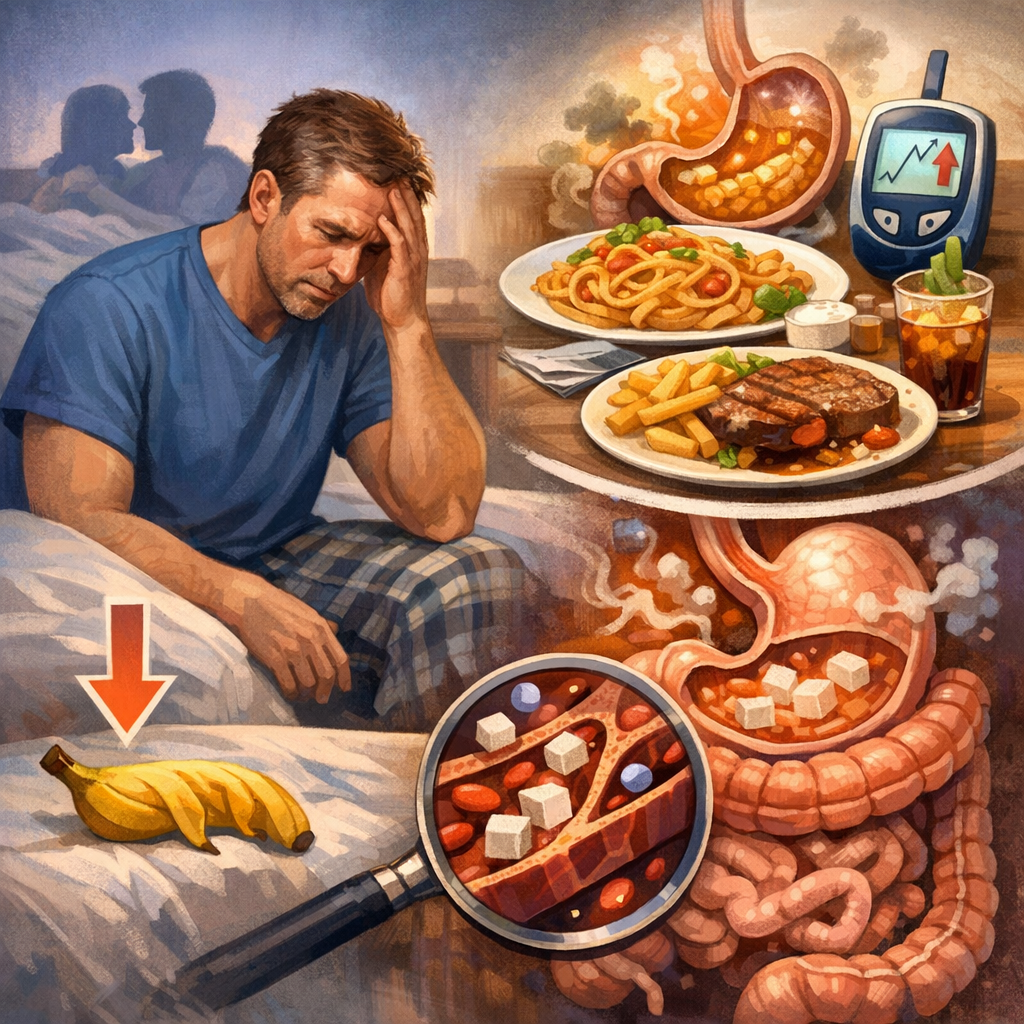
During digestion, the body demands significant energy. After consuming a large meal, blood is redirected to the stomach and intestines to aid this process. According to Dr. John Smith, a leading cardiologist, the blood flow shift post-meal can temporarily reduce the blood supply essential for erections. Men with pre-existing vascular or metabolic conditions may experience temporary erectile issues due to this distribution. An erection is highly reliant on adequate blood circulation, and any brief diversion can impact this process.
### Blood Sugar Levels and Erectile Dysfunction
Post-meal erectile dysfunction can also relate to blood sugar fluctuations. Meals high in carbohydrates can cause blood sugar levels to spike. For those with insulin resistance or diabetes, these spikes can lead to prolonged periods of high blood sugar, adversely affecting vascular function. Dr. Emily White, an endocrinologist, explains that persistently high blood sugar harms the blood vessels and nerves crucial for erectile function. High glucose levels can result in endothelial dysfunction, reducing the blood vessels’ ability to dilate, thereby impacting blood flow to the penis.
### Identifying Symptoms as Health Indicators
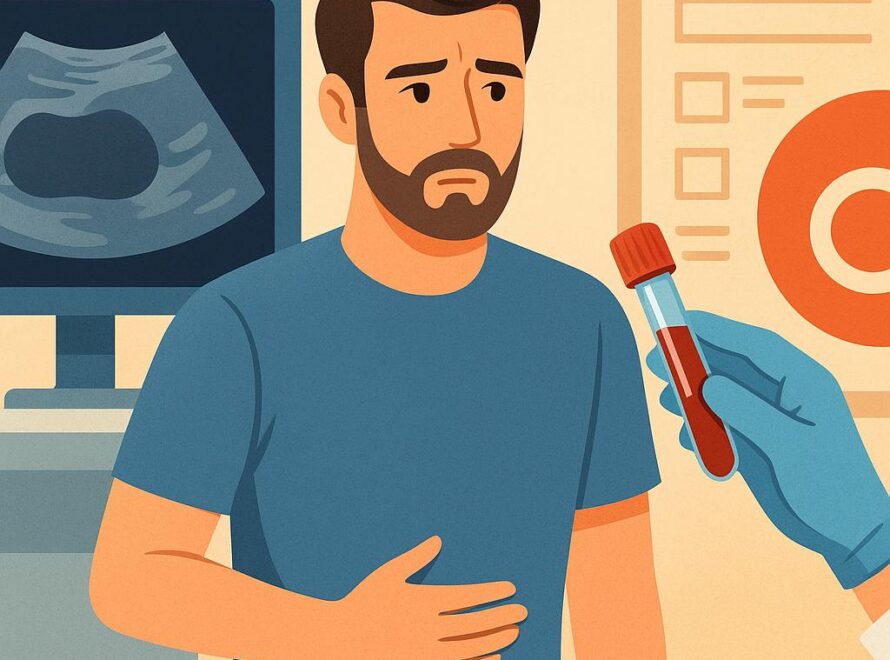
Medical professionals may view postprandial ED as an indicator of more extensive health concerns such as prediabetes, diabetes, or cardiovascular issues. Patient reports of such symptoms often lead to tests for blood glucose levels, cholesterol, and heart health. Clinicians adopting a holistic treatment approach may recommend dietary changes, weight management, and exercise to manage blood sugar fluctuations. For instance, consuming smaller, balanced meals with controlled carbohydrate intake can help stabilize blood sugar levels.
### Embracing Holistic and Lifestyle Approaches
Incorporating regular physical activity enhances insulin sensitivity and promotes blood circulation. Exercise stimulates nitric oxide production, which dilates blood vessels and improves blood flow. Additionally, relaxation techniques like yoga and meditation can alleviate stress, which can exacerbate both ED and blood sugar issues. For men with ED linked to blood sugar, medications like metformin or sildenafil (commonly known as Viagra) may be included in treatment plans, available from resources like eDrugstore.com. Psychological support also plays a vital role, as anxiety associated with ED can compound the problem.
### Addressing Psychological Implications with Support
Experiencing erectile dysfunction after meals can lead to anxiety and reduced confidence, further affecting sexual health. This highlights the need for mental health support, such as counseling or therapy groups. Licensed therapist Sarah Johnson emphasizes that integrating mental health care with medical treatment acknowledges ED as both a physical and emotional condition.
### Conclusion: Bridging Understanding and Action
Postprandial erectile dysfunction underscores the interconnectedness between digestion, blood sugar, and vascular health. Men experiencing this should consult healthcare providers, as it may signal broader health concerns. By understanding the impacts of meals, regulating blood sugar, and considering erectile function, men can adopt comprehensive strategies like lifestyle changes, medical treatments, and mental health support to enhance their overall well-being. Increased awareness and proactive health management can transform early symptoms into pathways for improved quality of life.
**References:**
– John Smith, MD, Cardiologist, on the impacts of postprandial blood flow.
– Emily White, MD, Endocrinologist, on blood sugar’s effects on vascular function.
– Sarah Johnson, Licensed Therapist, on integrating mental health with ED treatment.
– [eDrugstore.com](https://www.edrugstore.com/) for accessible medical resources.