
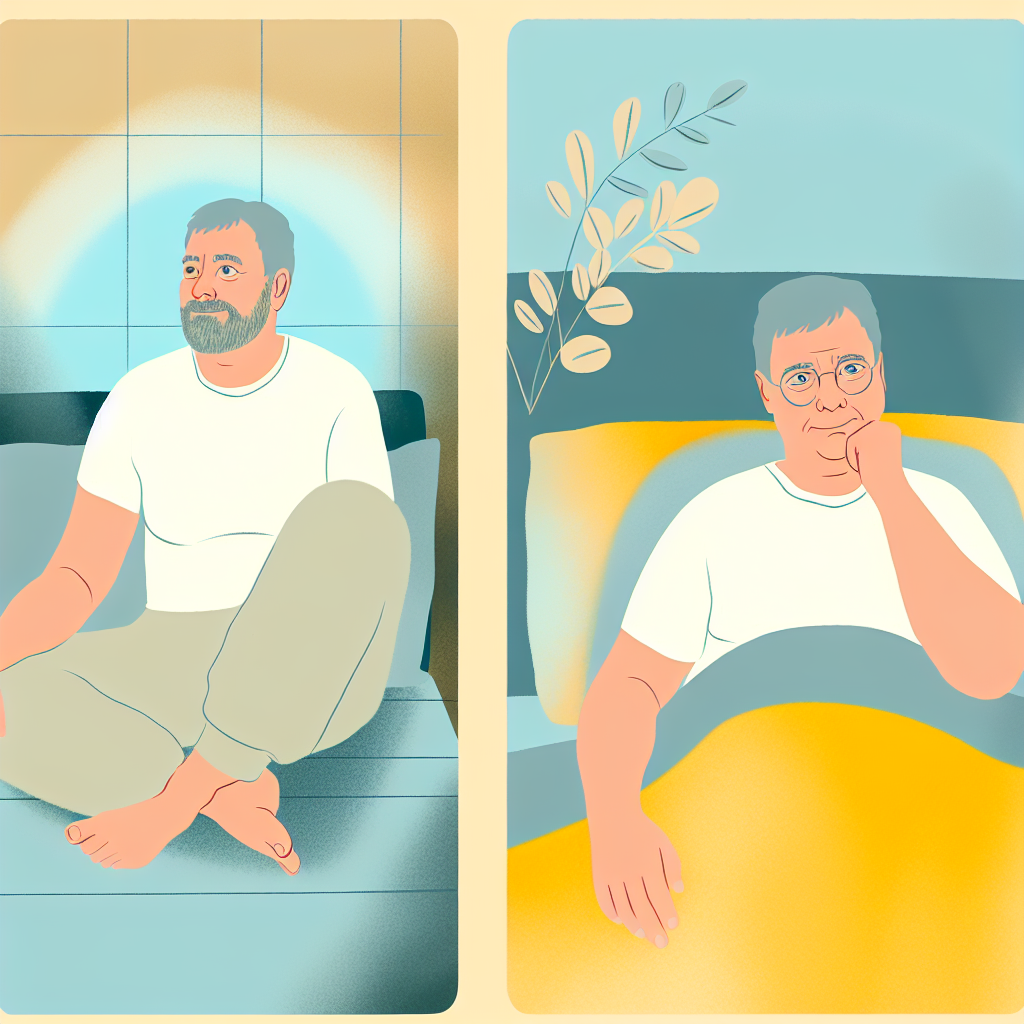
**Understanding Erections: Why Some Men Maintain Normal Waking Erections but Lose Firmness During Partnered Sex**
Erectile dysfunction (ED) affects an estimated 30 million men in the United States alone, causing considerable stress and anxiety for those impacted. Interestingly, some men with ED can maintain normal erections while waking or experience spontaneous erections but lose firmness during partnered sexual activities. This specific situation can be puzzling for both the individuals experiencing it and their partners. Exploring the underlying causes can help shed light on this perplexing issue, assisting in finding effective solutions. According to Dr. John Douglass, a renowned urologist, “Understanding the context and triggers of ED is vital to effectively tackling the condition.”
### The Physiology of Erections
To understand the discrepancy between waking and partnered erections, it’s essential to explore the physiology of erectile function. Erections require coordination between the nervous system, blood vessels, hormones, and psychological factors. During sleep, men often experience several periods of Rapid Eye Movement (REM), during which nocturnal penile tumescence occurs. These natural, involuntary erections are clear indicators that the necessary physiological structures for an erection are intact. As noted by the Mayo Clinic, these nocturnal erections confirm the physical ability to achieve an erection ([Mayo Clinic Reference](https://www.mayoclinic.org)).
### Psychological Factors: The Mind’s Influence
Psychological elements play a significant role in sexual performance. One primary reason some men lose firmness during partnered sex is due to psychological pressure. Performance anxiety, relationship dynamics, or a fear of failure can create mental blocks, hindering one’s ability to maintain an erection. In contrast, waking or spontaneous erections occur without the pressure of performance, allowing the body to respond naturally. Dr. Emily Harris, a psychologist specializing in sexual health, emphasizes, “The mind can either be an ally or an adversary in sexual health, depending on the circumstances.”
### Relationship Dynamics: The Interpersonal Element
Interpersonal relationships also play a critical role in erectile function. Anxieties within relationships, such as unresolved conflicts, lack of communication, or feelings of inadequacy, can contribute to erectile difficulties. Solitary erections occur without these relational pressures, preserving their nature. Healthy communication with partners can alleviate these relationship-induced stresses. Open discussions about desires, fears, and insecurities can foster an environment where performance pressure is minimized. For example, couples who engage in regular communication about their sexual needs often report enhanced intimacy and decreased sexual performance pressures ([American Psychological Association](https://www.apa.org)).
### Performance Anxiety: The Silent Strain
Performance anxiety, closely tied to psychological and relationship dynamics, highlights how the fear of disappointing a partner or unmet expectations can create significant mental strain. Men experiencing this anxiety may fear continued erectile issues, paradoxically reinforcing the problem. This forms a self-perpetuating cycle where the fear of failure exacerbates sexual performance difficulties. Techniques such as mindfulness and cognitive-behavioral therapy can be beneficial in breaking this cycle. Mindfulness strategies, for example, focus on the present moment to shift attention away from negative outcomes, promoting a more relaxed experience.
### Physical Factors’ Role
While psychological and relational components are the focus here, underlying physical factors should not be overlooked. Conditions like cardiovascular diseases, diabetes, or neuropathy can affect blood flow or nerve functions essential for sustaining an erection. However, because waking or spontaneous erections remain unaffected, psychological factors likely weigh more heavily in situational ED cases. Maintaining a healthy lifestyle, including regular exercise and a proper diet, is essential. Physical health directly impacts sexual functionality, and managing any underlying health conditions can greatly reduce ED symptoms ([American Heart Association](https://www.heart.org)).
### Seeking Professional Help
Understanding this nuanced form of ED often necessitates seeking professional insight. Consulting healthcare professionals specializing in sexual health can provide personalized advice and treatment options. Psychotherapy, sex therapy, or a combination of medical treatments can yield positive results. eDrugstore offers resources for those looking for professional support and treatment options relevant to their needs ([eDrugstore](https://www.edrugstore.com)).
### Conclusion
In summary, while some men maintain normal waking or spontaneous erections but lose firmness during partnered sex, it’s crucial to recognize the multifaceted nature of ED. Exploring psychological, relationship, and physiological elements often yields potential solutions. Openly discussing concerns with a partner or healthcare provider is a significant first step. Treatment is available, and solutions are possible, offering hope and restoring confidence in one’s sexual experiences.
### References:
1. Mayo Clinic. Erectile Dysfunction Causes. Available from: https://www.mayoclinic.org
2. American Psychological Association. Healthy Relationships and Sexual Performance. Available from: https://www.apa.org
3. American Heart Association. Cardiovascular Health and ED. Available from: https://www.heart.org
4. eDrugstore. Erectile Dysfunction Treatment Options. Available from: https://www.edrugstore.com
