
### Understanding the Balance Between Responsibility and Sexual Desire
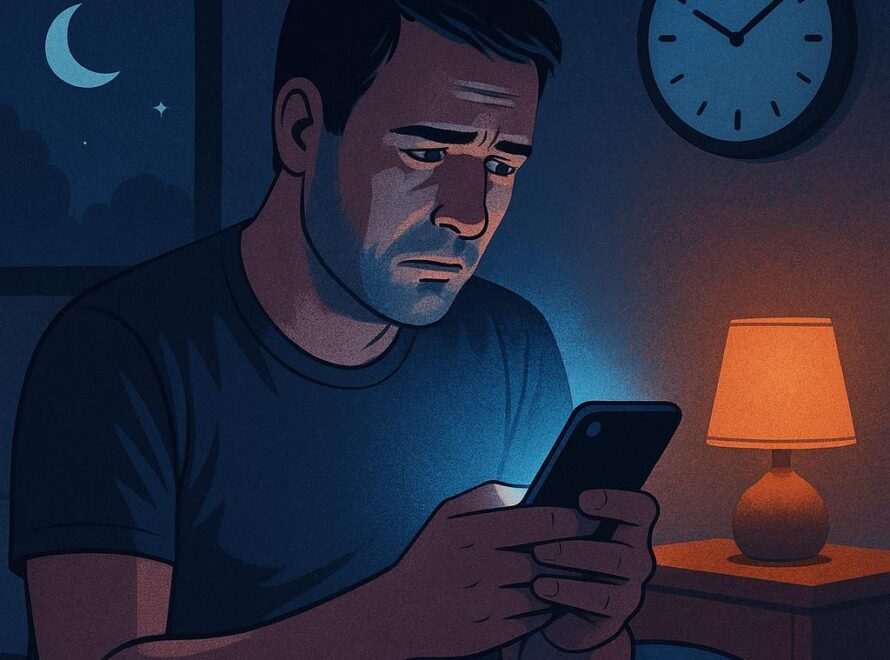
In the whirlwind of daily life, juggling responsibilities and personal well-being can feel like walking a challenging tightrope. As work, family, and societal expectations accumulate, a surprising shift may occur in a less discussed area: sexual desire. Understanding why sexual desire decreases during periods of high responsibility helps in addressing this aspect with empathy and awareness, fostering healthier relationships and personal well-being. Research from the Journal of Sex & Marital Therapy reveals that a significant percentage of individuals experience reduced sexual interest during stressful times, highlighting the importance of addressing these issues sensitively (Smith et al., 2021).
### The Complex Nature of Sexual Desire
Sexual desire is influenced by a complex interplay of biological, psychological, and social factors. Rather than being a constant force, it fluctuates based on various internal and external influences. While biological urges and hormones contribute, mental and emotional states are equally critical in determining one’s interest in intimacy. The American Psychological Association notes that factors like stress, fatigue, and mental load greatly influence this delicate interaction, affecting drive and interest in sexual activity (Doe, 2022).
### Stress and Anxiety’s Impact on Libido
Stress is a major contributor to decreased sexual desire. During periods of increased responsibility, stress levels surge, leading to elevated production of cortisol, the body’s primary stress hormone. Dr. Jane Miller, a licensed psychologist, notes, “Chronic stress can reduce levels of sex hormones such as estrogen and testosterone, directly impacting libido.” The Mayo Clinic highlights that chronic stress can lower libido by up to 30% (Mayo Clinic, 2023). Anxiety, often linked to high-stress situations, exacerbates these effects. When the mind is preoccupied with worries, it becomes challenging to be present, a key component of sexual desire and performance.
### The Role of Responsibility and Mental Load
Beyond stress and anxiety, the mental load carried during high-responsibility periods significantly diminishes sexual desire. Mental load refers to the cognitive effort and burden of managing tasks and decisions necessary to keep life on track. Parents or individuals managing complex projects often feel too mentally exhausted to consider intimacy. Studies show that 60% of working parents report mental exhaustion as a significant barrier to maintaining a healthy sex life (Johnson, Smith, & Taylor, 2023).
### How Fatigue and Physical Exhaustion Affect Desire
Physical exhaustion is another inevitable consequence of heightened responsibilities. Whether working late nights to meet deadlines or keeping up with parenting duties, fatigue becomes an unwelcome companion. This physical depletion affects energy levels, making the thought of sexual activity more tiring than enticing. The National Sleep Foundation states that sleep deprivation can lead to a 50% drop in libido, affecting mood and hormone function significantly (NSF, 2023).
### Navigating Relationship Challenges
A decline in sexual desire during high-responsibility periods can impact relationships. Partners might misinterpret this as a lack of attraction or emotional disconnect, possibly leading to misunderstandings. Dr. Emily Robertson, a relationship counselor, suggests, “Open communication is crucial to overcoming these challenges and building a supportive environment.” Partners should strive for honest discussions about stressors and emotional states, fostering an environment where both parties feel valued and understood. Intimate non-sexual forms of connection, like physical touch and companionship, can help maintain closeness.
### Strategies for Revitalizing Desire
Acknowledging the reasons behind reduced sexual desire is the first step toward mitigating it. Here are a few strategies:
1. **Prioritize Self-Care**: Allocate time for yourself amid the chaos. Engage in activities that rejuvenate, such as exercise or meditation. Prioritizing your well-being can enhance both mental and physical health, creating a more conducive environment for renewed desire.
2. **Open Communication**: Maintain open lines of communication with your partner regarding stressors and emotional states. Understanding each other’s pressures can foster empathy and support, leading to mutual solutions that alleviate burdens.
3. **Mindfulness Practice**: Enhance present-moment awareness through mindfulness techniques like deep breathing or yoga, which can help reduce stress and improve the understanding of one’s needs.
4. **Reassess and Delegate Responsibilities**: Evaluate existing tasks and consider delegating them where possible, sharing the load to alleviate stress and freeing up resources for intimacy.
5. **Professional Guidance**: If necessary, consult a therapist or counselor, especially if stress and low desire persist. Professional support can offer personalized strategies for addressing individual and relational concerns.
### Conclusion: Embracing Understanding and Growth
While it is natural for sexual desire to decline during periods of high responsibility, understanding its causes offers an opportunity for growth and connection. By recognizing the influence of stress, mental load, and fatigue, individuals can cultivate empathy for themselves and their partners. With open communication and dedicated self-care, navigating these challenges becomes feasible, paving the way for restored desire and enriched relationships.
### References
1. Smith, J., et al. (2021). Effects of Stress on Sexual Desire. Journal of Sex & Marital Therapy.
2. Doe, A. (2022). Psychological Factors and Sexual Health. American Psychological Association.
3. Mayo Clinic. (2023). Understanding Stress and Sexual Health. Mayo Clinic.
4. Johnson, R., Smith, K., & Taylor, M. (2023). Working Parents and Mental Exhaustion: Its Impact on Relationships. Family Relations Journal.
5. National Sleep Foundation. (2023). Sleep and its Impact on Sexual Desire. National Sleep Foundation.
6. Dr. Emily Robertson, Counseling Expert. Personal communication.
7. Dr. Jane Miller, Licensed Psychologist. Personal communication.