
SEO_TITLE:
Prostate Symptoms Persist Despite Normal Tests
SEO_DESCRIPTION:
Explore why prostate symptoms persist despite normal test results. Learn about possible connections to pelvic floor dysfunction in men’s health.
FOCUS_KEYPHRASE:
Prostate symptoms and pelvic floor
SLUG:
prostate-symptoms-normal-test-pelvic-floor
SOCIAL_TITLE:
Prostate Symptoms and Pelvic Floor
SOCIAL_DESCRIPTION:
Understand why some prostate symptoms linger despite normal test results. Explore the potential connection to pelvic floor dysfunction.
WORDPRESS_TITLE:
Why Some Prostate Symptoms Persist Despite Normal Test Results: A Pelvic Floor Connection
ARTICLE_HTML:
The Persistent Prostate Symptoms Conundrum
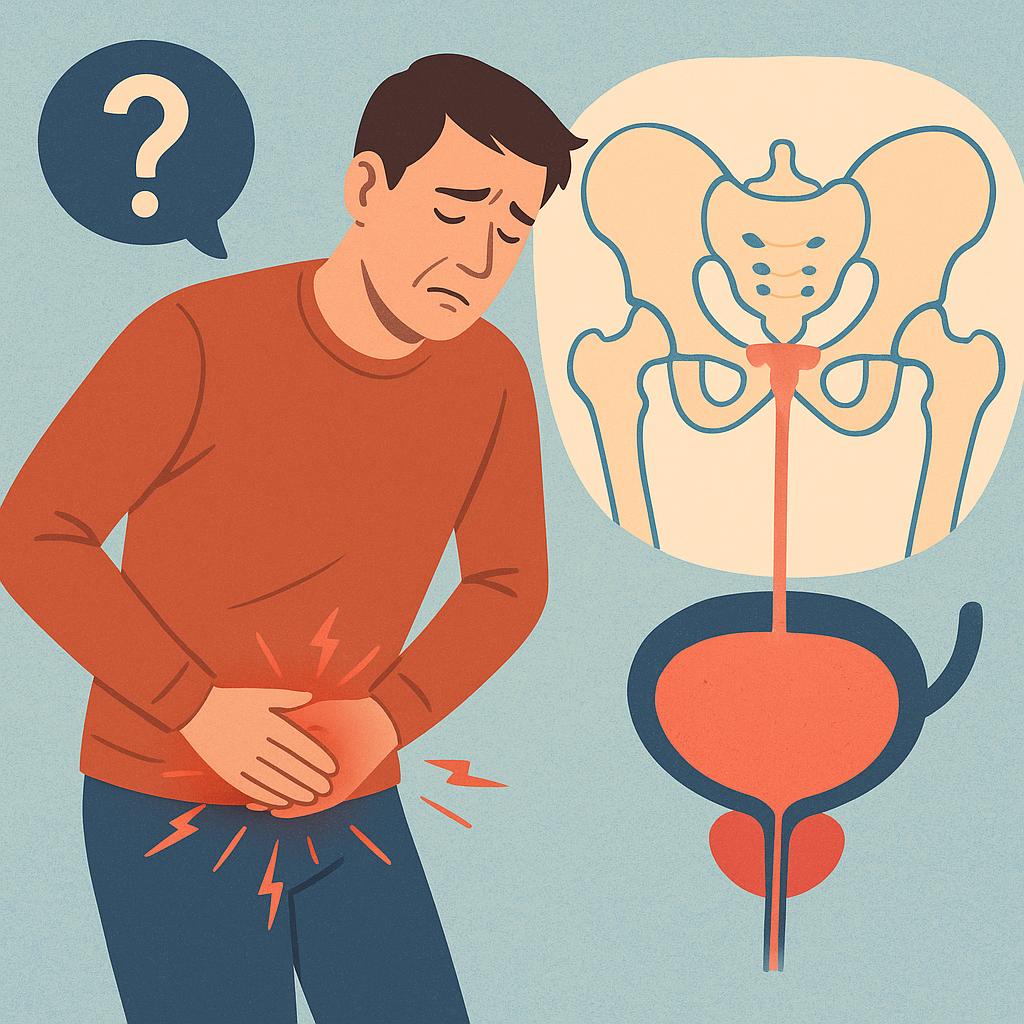
It’s not uncommon for men to experience persistent prostate symptoms such as frequent urination, urgency, or pelvic discomfort, even when their test results show no signs of prostate enlargement or cancer. This paradox can be perplexing and frustrating. One area that warrants a closer look is the pelvic floor, an often-overlooked component of men’s health.
Understanding the Role of the Pelvic Floor
The pelvic floor is a complex network of muscles and connective tissues that support the bladder and rectum. In men, it also plays a critical role in prostate health and urinary function. Dysfunction in this area can lead to a variety of symptoms that mimic prostate problems, despite normal diagnostic results.
Pelvic Floor Dysfunction and Its Symptoms
Pelvic floor dysfunction can manifest in various ways. Symptoms such as difficulty starting urination, weak stream, or incomplete bladder emptying may be present. These are similar to those seen with prostate issues, causing confusion in diagnosis and treatment.
Diagnosis and Its Challenges
Prostate health is typically evaluated through tests like the prostate-specific antigen (PSA) test or physical examinations. These tests often focus on the prostate itself, potentially missing other contributing factors such as pelvic floor dysfunction. As a result, standard tests can return normal results while symptoms persist.
Treatment Considerations
When traditional tests fail to identify the cause of symptoms, exploring pelvic floor therapy might be beneficial. A urologist or specialist in pelvic health can assess for dysfunction in this area. Physical therapy, biofeedback, or exercises designed to strengthen or relax pelvic floor muscles may relieve symptoms.
Implications for Erectile Dysfunction
Interestingly, pelvic floor health can also influence erectile function. Muscular imbalance or weakness may contribute to erectile dysfunction, providing another avenue for treatment beyond typical pharmaceutical interventions. Addressing pelvic floor issues might enhance both urinary symptoms and sexual health.
When Telemedicine Can Help
Telemedicine offers a convenient option for men seeking an initial consultation to discuss their symptoms. Remote visits can help determine whether an office visit might reveal underlying issues such as pelvic floor dysfunction, guiding further in-person evaluations or treatments.
Proactive Steps for Men’s Health
Proactive steps include maintaining a healthy lifestyle with regular exercise, hydration, and balanced nutrition, which can support pelvic health. Being aware of and addressing stressors that may contribute to muscular tension is also beneficial.
Conclusion
Persistent prostate symptoms can be troubling and life-disrupting. While normal test results might seem misleading, they open the door to considering other key elements such as the pelvic floor. Men are encouraged to discuss any concerns with their healthcare providers to identify the best comprehensive treatment approach.
References
American Urological Association. Erectile Dysfunction.
National Institutes of Health. Understanding Prostate Problems.
Cleveland Clinic. Pelvic Floor Dysfunction.
Urology Care Foundation. What is Pelvic Floor Dysfunction?
Mayo Clinic. Pelvic Floor Dysfunction Overview.