The Athletic Approach: Training Your Sexual Performance Like a Sport
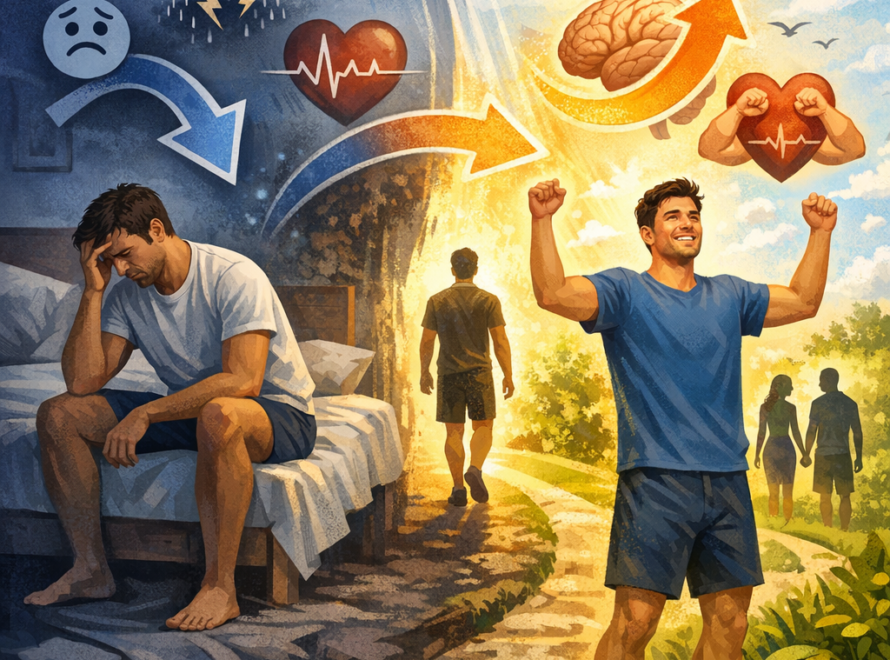
When we think of peak athletic ability, we often picture disciplined training, smart recovery techniques, and a focused game plan. What if you applied the same mindset to another crucial area of life—your sex life? That’s the idea behind the athletic approach to sexual performance. It’s where intentional practice meets personal pleasure, and consistent effort leads to greater satisfaction.
Just like elite athletes prepare for game day with preparation and conditioning, improving your sex life involves more than desire. It requires commitment, awareness, and a plan. The reward? A more confident, connected, and satisfying intimate life.
Why View Sex Like a Sport?
Sex isn’t only physical; it’s a full-body, emotional, and mental experience. Sports demand endurance, agility, and communication—skills equally vital in the bedroom. Physical stamina, emotional connection, and mental resilience are all key players in intimate performance. Sex, just like athletics, can be enhanced with practice and a focus on self-improvement.
Dr. Ian Kerner, a well-known sex therapist, explains, “When people think of sexual functioning as something they can improve through health-based behaviors, it removes shame and creates empowerment.”
A 2020 study in the Archives of Sexual Behavior found that people who adopt a growth mindset toward sex—viewing it as a skill instead of a talent—experience higher satisfaction and reduced anxiety.
Shifting your perspective from pressure to performance can transform your bedroom experience.
Physical Fitness: The Foundation of Sexual Performance
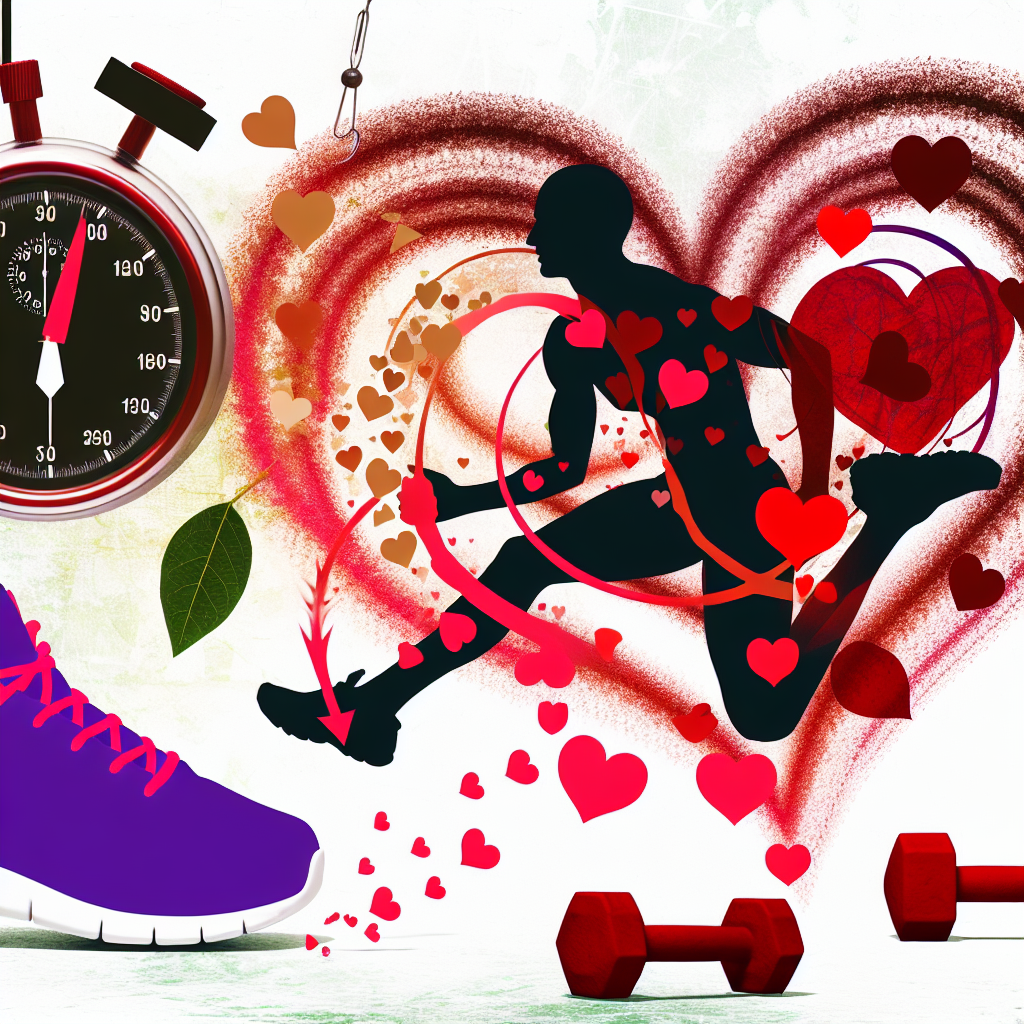
Much like strength and stamina are essential for athletes, core fitness plays a huge role in sexual performance. Regular exercise enhances blood flow, boosts confidence, and supports endurance—all vital for a healthy sex life.
Structured exercise routines should include:
Cardiovascular Fitness
Aerobic exercise improves circulation, which is crucial for strong erections and sensitive arousal. The American Heart Association reports that regular cardio can reduce the risk of erectile dysfunction by up to 50%. Try brisk walking, cycling, or swimming for at least 30 minutes, five days a week.
Strength Training
Building core and pelvic floor strength leads to better control and stamina. Simple movements like Kegels, planks, and squats can significantly contribute to your performance while improving posture and confidence.
Flexibility and Mobility
Engaging in yoga or stretching increases range of motion, making intimate positions more comfortable and enjoyable. Research suggests that flexibility and body awareness are linked to better sexual satisfaction.
Explore how to improve blood flow and sexual stamina by visiting edrugstore.com.
The Power of Rest and Recovery in Sexual Health
Just like athletes build in rest days to recover and grow stronger, your sexual well-being depends on proper rest and sleep. Quality sleep directly impacts libido, energy, and hormone levels.
In one study, men who slept fewer than five hours a night saw a 10 to 15 percent drop in testosterone in just one week. Why? Because testosterone production is closely tied to deep sleep cycles. When sleep suffers, your hormonal balance—and desire—takes a hit.
Prioritize quality sleep:
– Aim for 7 to 9 hours of uninterrupted rest nightly
– Limit blue light exposure an hour before bedtime
– Practice deep breathing or mindfulness before sleeping
Dr. Shelby Harris, a clinical psychologist and sleep expert, says, “Poor sleep doesn’t just affect performance—it affects the desire to connect in the first place.”
Want better sex? Start by improving how you sleep.
Build Mental Resilience for Better Intimacy
Mental strength is just as important as physical readiness when it comes to sexual encounters. Anxiety, stress, and low self-confidence can derail pleasure and connection. Building psychological resilience helps sustain focus, reduce pressure, and enhance intimacy.
Proven techniques for mental clarity and confidence include:
Mindfulness Practice
A 2019 study showed that daily mindfulness practices improved sexual arousal and satisfaction within weeks. A short daily session—focusing on breath and body—can lead to noticeable improvements.
Controlled Breathing
Slow, deep breathing calms your nervous system and can delay ejaculation while enhancing sensation.
Positive Self-Talk
Replace thoughts like “I hope I don’t mess this up” with “I’m focused on sharing pleasure” or “I bring value and presence.”
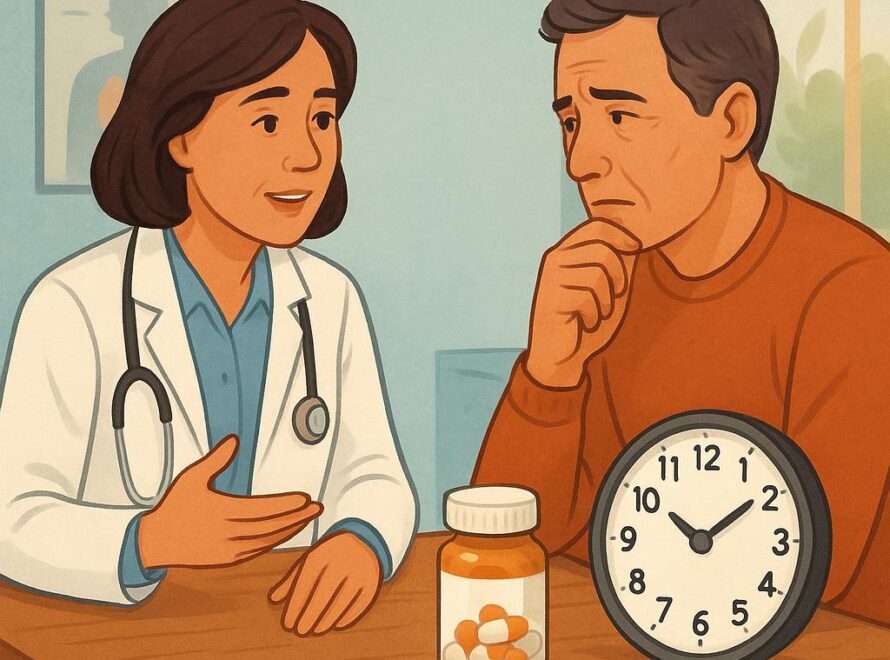
If mental blocks persist, prescription treatments or expert guidance may help. Discover professional insights and treatment options at edrugstore.com.
Choose Nutrition That Powers Performance
Your body reflects what you eat, especially when it comes to sexual energy, desire, and stamina. A nutrient-rich diet can naturally enhance circulation, hormone levels, and overall vigor.
Performance-boosting tips for sexual nutrition:
Eat Whole Foods
Incorporate leafy greens, berries, citrus fruits, nuts, and lean proteins. Foods high in flavonoids, like blueberries and citrus, are associated with lower rates of ED.
Stay Hydrated
Even slight dehydration can cause headaches, fatigue, and decreased libido. Aim to drink at least eight glasses of water daily.
Limit Excess Sugar and Alcohol
While indulgence may feel good briefly, overconsumption can hinder sexual performance and satisfaction. The National Institute on Alcohol Abuse and Alcoholism highlights that heavy drinking can impair erectile function and delay orgasm.
Think of your meals as preparation—fueling both energy and desire. For expert-recommended supplements and dietary tips, browse sexual health resources at edrugstore.com.
Strengthen Connection with Open Communication
The most impactful sexual experiences come from emotional connection—and that starts with communication. Like a team reviewing strategy, clear and supportive dialogue enhances every intimate moment.
A Kinsey Institute study found that couples who regularly talk about their sex lives report stronger relationships and better physical satisfaction.
Try post-experience check-ins with your partner:
– “What felt really good for you?”
– “Is there something new you’d like to explore?”
– “What helped you feel more connected tonight?”
Through honest conversation and active listening, you add trust, which is the foundation of passionate and lasting sexual connection.
Create Your Personalized Sexual Performance Plan
Taking charge of your sexual well-being begins with a plan. Think of yourself as the coach designing your training schedule. Start with simple, achievable goals and layer in routines that support progress.
Personal performance enhancement might include:
– SMART goals (Specific, Measurable, Attainable, Relevant, Time-based)
– Weekly movement routines like cardio and strength training
– Regular mindfulness sessions to sharpen mental focus
– End-of-week reflections or journal entries on emotional and physical state
Example: Walk three days per week, add two yoga sessions, and engage in one open conversation with your partner—this kind of structure drives real improvement.
Consistent Practice Leads to Better Performance
Sex isn’t just something that happens—it’s something you can shape and improve. Like any skill, your sexual performance grows when you apply dedication, knowledge, and mindful effort. When you intentionally address your body, mind, and emotional connection, the result is a sex life with deeper satisfaction and stronger bonds.
Dr. Justin Lehmiller from The Kinsey Institute says it perfectly: “Our sexual well-being doesn’t just happen—it’s cultivated.”
So prepare, fuel up, connect, and put your whole self into the wonderful experience of intimacy. Success in the bedroom begins with intention and ends with enjoyment.
Explore More Sexual Health Tools and Resources
Want more guidance? From treatment solutions to expert tips, visit edrugstore.com for everything you need to build and maintain a healthy, vibrant sex life.
References
1. Dawson, S. J., Allen, H. L., & McGregor, V. E. (2020). Sexual growth and fixed mindsets: Differences in sexual satisfaction and desire. Archives of Sexual Behavior, 49, 223–235.
2. Gupta, B. P., et al. (2011). Lifestyle modification and cardiovascular risk factor reduction on erectile dysfunction: A systematic review and meta-analysis. Archives of Internal Medicine, 171(20), 1797–1803.
3. Brotto, L. A., & Heiman, J. R. (2007). Mindfulness in sex therapy. Journal of Sex & Marital Therapy, 33(3), 253–264.
4. Leproult, R., & Van Cauter, E. (2011). Effect of one week of sleep restriction on testosterone levels in young healthy men. JAMA, 305(21), 2173–2174.
5. Silverstein, R. G., Brown, A. C., & Roth, H. D. (2011). Effects of mindfulness training on body awareness to sexual stimuli. Journal of Sex Research, 48(6), 621–631.
6. Cassidy, A., et al. (2016). Habitual intake of flavonoid sub-classes and incidence of erectile dysfunction. The American Journal of Clinical Nutrition, 103(2), 534–541.
7. National Institute on Alcohol Abuse and Alcoholism. (2020). Alcohol’s effects on the male reproductive system. niaaa.nih.gov.
8. The Kinsey Institute. (2019). Relationship communication and sexual satisfaction study data. kinseyinstitute.org.