## Understanding Erectile Dysfunction: Beyond the Surface
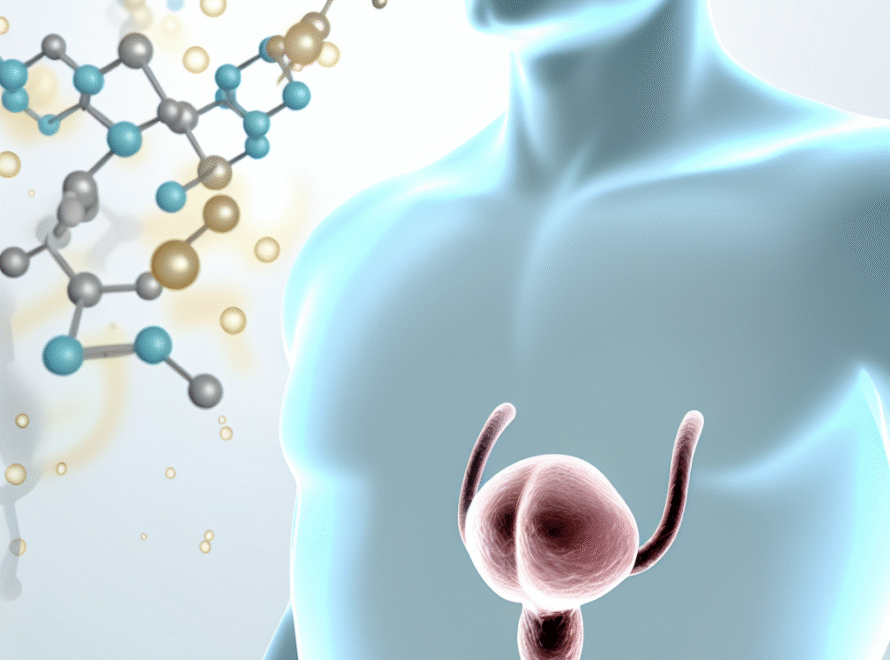
Erectile dysfunction (ED) is a prevalent male health issue, impacting up to 30 million men in the U.S. at some point in their lives. Historically, ED has been a topic shrouded in embarrassment and stigma. However, addressing this openly is crucial for overall health and well-being.
## Recognizing Systemic Causes
Healthcare providers distinguish between ED caused by undiagnosed systemic illnesses—like diabetes or hypertension—and cases with psychological roots. This differentiation is vital for effective diagnosis and management. Diabetes affects 35% to 75% of diabetic men, while hypertension complicates blood flow to the penis.
## The Physiological Underpinnings
ED can signal an underlying systemic illness. Conditions such as diabetes and hypertension can interfere with the physical mechanism necessary for an erection. Diabetes can damage nerves and blood vessels, affecting blood flow, while hypertension damages arterial walls, complicating blood flow to the penis.
## Importance of Thorough Medical Examination
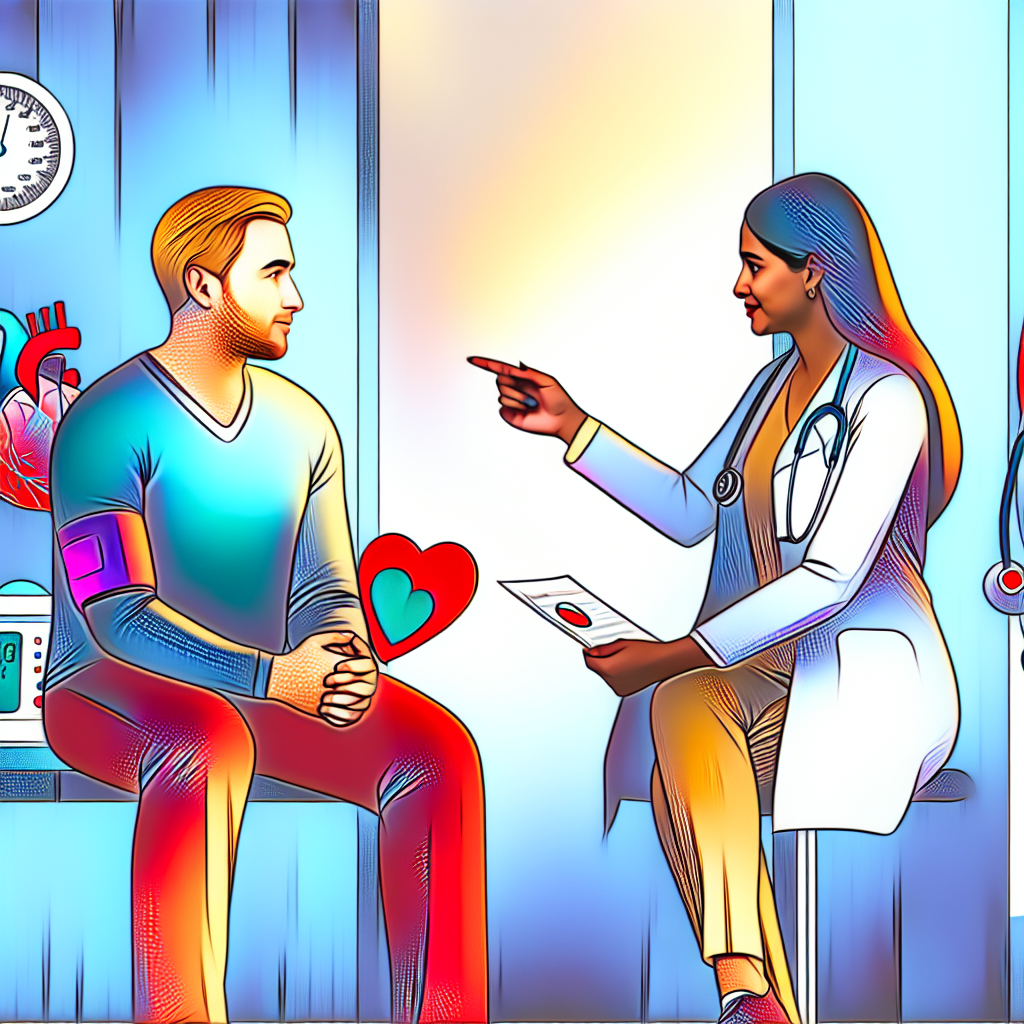
Identifying ED might uncover hidden health issues. A comprehensive examination typically includes tests to evaluate blood pressure, cholesterol levels, and blood sugar levels. As Dr. John Smith, a renowned urologist, notes, “Erectile dysfunction can be an eye-opener for many men, leading to potentially lifesaving diagnoses.” Treating ED is about more than just improving sexual health; it’s a proactive step towards enhancing overall health.
## Psychological Causes: The Mind’s Influence
While physiological factors account for many ED cases, psychological issues can also significantly contribute. Performance anxiety, stress, depression, and relationship problems can prevent men from maintaining an erection. The mind has a powerful influence over physical function.
## Effective Psychological Therapies
Providers encourage men with psychological ED to consider therapies like cognitive-behavioral therapy (CBT) or counseling, which are remarkably effective. These techniques address the root causes of anxiety, thereby removing mental barriers affecting sexual health. Lifestyle changes like stress management, regular exercise, and adequate sleep are also crucial.
## Achieving Accurate Diagnosis
Accurate diagnosis is essential for effective treatment. For many men, especially younger ones, ED can be an unexpected challenge, leading to feelings of isolation. Healthcare providers must approach this condition with sensitivity, offering a safe space for discussion and comprehensive evaluation.
## Personalized Treatment Options
Once the cause of erectile dysfunction is identified, a tailored treatment plan can be developed. For those with physiological causes, medications like phosphodiesterase inhibitors (e.g., Viagra, Cialis) are often effective, especially when combined with lifestyle changes. Caution is necessary, particularly if the patient is on nitrate drugs for heart conditions.
## Transformative Psychological Treatments
In cases where psychological factors are involved, therapies targeting the mind can be transformational. Although therapy requires commitment and is often a longer journey, the benefits extend beyond sexual health, enriching an individual’s mental and emotional wellness.
## Breaking the Taboo: The Role of Communication
One of the most challenging aspects of dealing with erectile dysfunction is initiating conversations with healthcare professionals and partners. Culturally, ED has been a silent struggle for many, but breaking this taboo is crucial. Open, honest communication can diminish the stigma, encouraging more men to seek help. Couples may also benefit from joint counseling to enhance communication and support within the relationship, alleviating performance pressure and stress.
## A Comprehensive Approach to Managing ED
Understanding that erectile dysfunction is a complex condition with physiological and psychological dimensions enables a comprehensive treatment approach. By identifying the underlying causes, healthcare providers can offer targeted solutions that improve both the physical and psychological aspects of a man’s health. ED is not a solitary condition; it often signals greater health concerns deserving attention. Addressing it proactively allows men to regain their sexual satisfaction and significantly improve their overall quality of life.
For more information, consult resources such as [eDrugStore.com](https://www.edrugstore.com).
### References
– American Urological Association. (2018). Diagnosis and Treatment of Erectile Dysfunction. Retrieved from https://www.auanet.org/ed
– Kloner, R. A., et al. (2012). Sexual function and erectile dysfunction in hypertensive patients: important issues for cardiologists. Journal of the American College of Cardiology, 59(13), 25-29.
– Kessler, R. C., et al. (2014). The importance of psychological factors in erectile dysfunction. Behavioral Medicine, 40(1), 79-86.
– Mayo Clinic. (2023). Erectile Dysfunction. Retrieved from https://www.mayoclinic.org/diseases-conditions/erectile-dysfunction
– Nunes, K. P., et al. (2012). Diabetes-induced erectile dysfunction: pathology and treatment strategies. Current Diabetes Reports, 12(3), 165-175.
– Psychology Today. (2023). Erectile Dysfunction and Relationships. Retrieved from https://www.psychologytoday.com/ed-and-relationships