
The Role of Estrogen in Male Prostate Disease: What Every Man Should Know
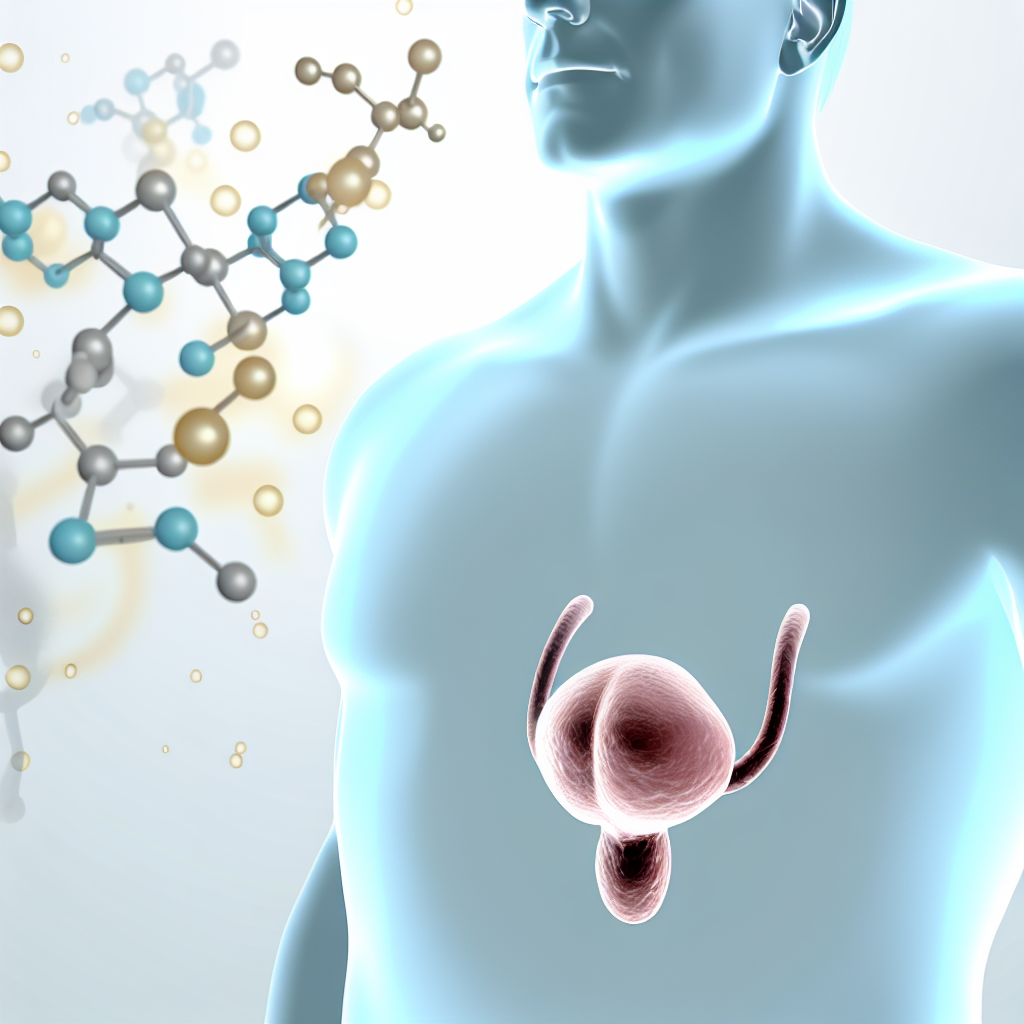
When discussing male hormones, most people focus solely on testosterone. However, medical research now shows that the impact of estrogen on male prostate health is far more significant than previously believed. Estrogen — commonly labeled as a female hormone — plays a vital role in male conditions such as benign prostatic hyperplasia (BPH) and prostate cancer.
This article explores how estrogen influences the prostate, why these findings matter, and how men can take proactive steps to preserve their health.
Understanding How Estrogen Works in the Male Body
Although estrogen is more commonly associated with women, men produce it too. In fact, men convert testosterone into estrogen through an enzyme called aromatase, which is found in fatty tissue, the liver, and even within the prostate gland itself.
While estrogen levels in men are much lower than in women, the hormone remains essential for proper bone density, cognitive function, sexual performance, and cardiovascular health. As Dr. Michael Eisenberg, a leading urologist at Stanford University, notes, “Estrogen isn’t just a female hormone. In the right balance, it’s vital for men’s physical and mental well-being.”
However, as men age or gain excess weight, estrogen levels can rise. This imbalance may increase the risk of prostate conditions and other issues within the male reproductive system.
How Estrogen Affects the Prostate
The prostate is a walnut-sized gland located below the bladder that contributes to semen production. With age — particularly past age 50 — many men begin to experience prostate enlargement, also known as BPH. According to the National Institute on Aging, nearly 50% of men aged 60 and about 90% of men aged 85 have some form of prostate enlargement.
Estrogen appears to influence how prostate cells grow and behave. This influence largely depends on the presence of two specific estrogen receptors found in the prostate:
– ERα (estrogen receptor alpha): Linked to inflammation, abnormal cell growth, and potentially, cancer development.
– ERβ (estrogen receptor beta): Appears to produce protective, anti-inflammatory, and anticancer effects.
As highlighted in the Journal of Clinical Investigation, “The dual actions of estrogen receptors in the prostate highlight their potential as therapeutic targets.”
Estrogen’s Role in Benign Prostatic Hyperplasia (BPH)
Benign prostatic hyperplasia is characterized by an enlarged prostate, which can lead to difficulty urinating, weak urine flow, and frequent nighttime bathroom visits.
As men age, testosterone levels naturally decrease while estrogen levels tend to rise due to higher aromatase activity — especially in men with more body fat. This leads to a higher estrogen-to-testosterone ratio. Elevated estrogen, particularly through ERα activation, promotes the growth of prostate cells and contributes to inflammation, both of which can aggravate BPH.
Animal studies back this up. Research published in the journal Steroids found that rats exposed to both estrogen and testosterone developed larger prostates. This proves that estrogen is a major contributor to prostate enlargement in older age.
Today, new treatments for BPH focus on managing hormonal balance. Some strategies include blocking ERα receptors to prevent continued prostate growth. For a detailed guide on available medications, check out this BPH treatment resource from eDrugstore.com.
Estrogen and Prostate Cancer Risk
Prostate cancer is the second most common cancer among men around the world. A 2022 review in Cancer Epidemiology found that men with higher estrogen levels face a significantly increased risk of developing advanced prostate cancer.
Once again, the type of estrogen receptor makes a difference:
– ERα is associated with cell mutation, chronic inflammation, and tumor development.
– ERβ may help to reduce or prevent these harmful changes.
This has led researchers to explore treatments using selective estrogen receptor modulators (SERMs), medications designed to block ERα or activate ERβ. Early findings from clinical trials are encouraging, but additional research is required to determine long-term effectiveness.
Obesity, Estrogen Levels, and Prostate Health
Carrying excess weight doesn’t just affect your heart or blood sugar levels — it directly influences prostate health. That’s because fat tissue increases the activity of the aromatase enzyme, converting more testosterone into estrogen.
This creates a concerning hormonal imbalance. The Centers for Disease Control and Prevention (CDC) reports that over 40% of American men are classified as obese, placing them at elevated risk for both BPH and prostate cancer.
Fortunately, lifestyle changes can help. Losing weight, exercising regularly, and adopting an anti-inflammatory diet rich in leafy greens, fish, and berries can naturally restore hormonal balance. In some cases, doctors may prescribe aromatase inhibitors to lower estrogen levels — but only under medical supervision.
To explore how hormone-regulating medications might help, visit eDrugstore’s men’s health section.
New Developments in Hormonal Therapy for Prostate Conditions
As the connection between estrogen and prostate diseases becomes better understood, physicians are designing new treatments to target these processes directly. Hormonal therapies under investigation include:
– Selective Estrogen Receptor Modulators (SERMs)
– Aromatase Inhibitors
– ERβ Agonists
These treatments aim to take advantage of the protective effects of ERβ while blocking the more harmful influences of ERα. Current research also supports the use of personalized medicine — tailoring treatment to a man’s individual hormonal profile and receptor sensitivity.
A 2023 paper in Current Urology Reports states, “Precision medicine involving estrogen receptor mapping could revolutionize how we treat prostate conditions going forward.”
Customized therapy based on hormone testing could lead to better results with fewer side effects, offering more effective prostate care in the future.
Conclusion: The Evolving Role of Estrogen in Men’s Health
For decades, testosterone was viewed as the main hormonal player in prostate health and disease. However, modern research makes it clear: estrogen has a complex but critical role in male reproductive health.
Whether it’s contributing to prostate enlargement through ERα stimulation or protecting against cancer via ERβ activation, estrogen affects how the prostate functions, especially as men age.
Men — particularly those over 50 or with higher body fat levels — should speak with a healthcare provider about hormone testing and proactive ways to support their overall wellness.
With better awareness, smart lifestyle changes, and targeted treatment options, men can greatly improve long-term prostate health.
To learn more about hormonal therapies and men’s health solutions, visit eDrugstore’s trusted resource center.
Sources
1. National Institute on Aging. “Prostate Problems: Benign Prostatic Hyperplasia (BPH)” – https://www.nia.nih.gov
2. American Cancer Society. “Prostate Cancer Facts & Figures” – https://www.cancer.org
3. Huang, F., et al. (2022). “Estrogen in Prostate Cancer.” Cancer Epidemiology
4. Ho, S.-M., et al. (2017). “Estrogen and Prostatic Disease.” Journal of Clinical Investigation
5. Ricke, W.A., et al. (2008). “Estrogen and Prostatic Diseases: Lessons from Animal Models.” Steroids
6. Centers for Disease Control and Prevention. “Obesity and Overweight” – https://www.cdc.gov
7. Cornel, E.B., et al. (2023). “Advances in Hormonal Therapy for Prostate Diseases.” Current Urology Reports
