
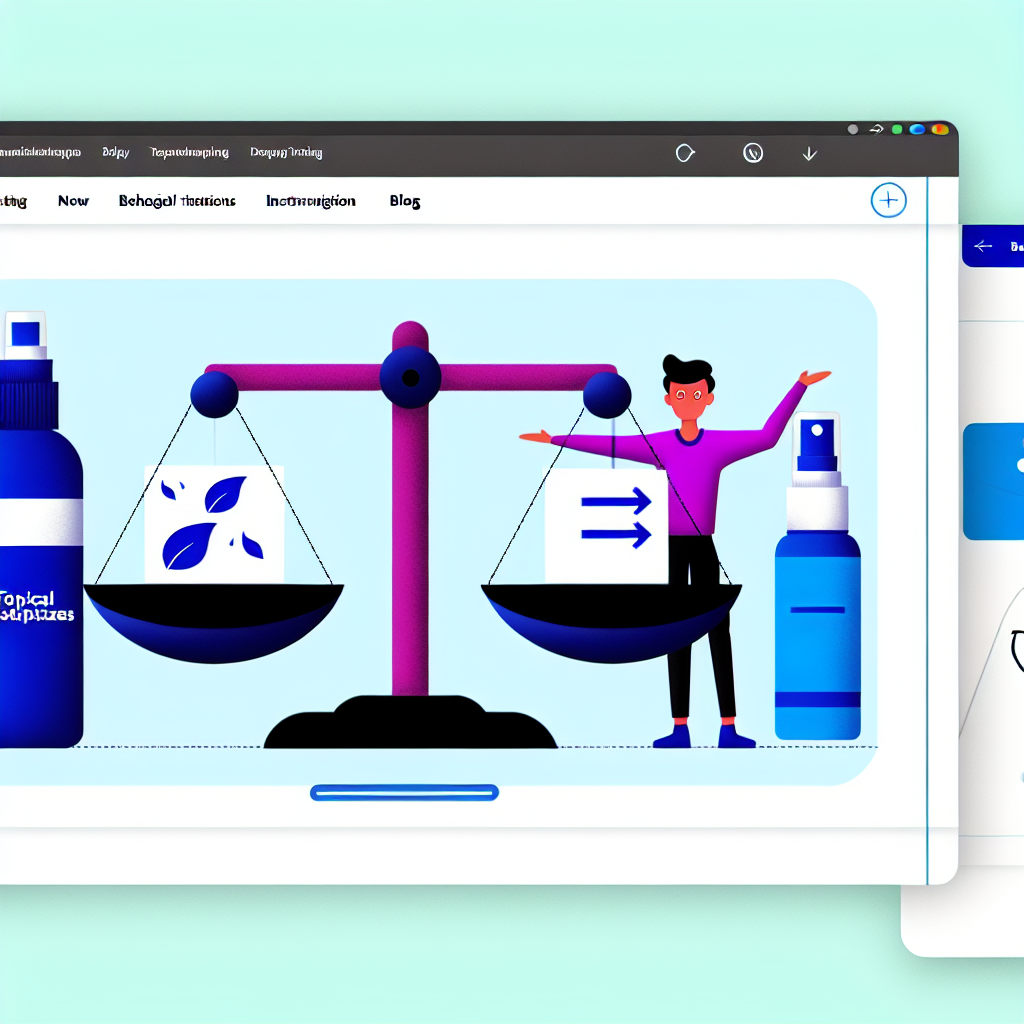
Topical Desensitizers vs. Behavioral Training: Which Works Better?
Understanding the Two Approaches to Dental Comfort
When seeking relief from dental discomfort or fear, two popular methods stand out: topical desensitizers and behavioral training techniques. Both strategies aim to ease patient experience, but they function differently—and understanding how each works can help you make informed decisions about your treatment plan.
Let’s take a closer look at each approach to determine which might be better suited for different needs. You’ll also discover why using them together may offer the most benefits.
What Are Topical Desensitizers?
Topical desensitizers are dental products—most often in the form of creams, gels, sprays, or rinses—applied directly to sensitive areas of the teeth or gums. They help reduce pain and discomfort, especially for people who experience sensitivity to heat, cold, or sweet foods.
“These agents typically contain potassium nitrate or fluoride, which work by blocking nerve signals,” says Dr. Karen Li, DDS, a practicing dentist in Chicago. “They provide fast and often noticeable relief, which can be quite meaningful for patients dealing with sensitivity.”
Many dental offices and online pharmacies, such as edrugstore.com, offer a variety of over-the-counter and professional-grade topical desensitizers. Common forms include fluoride varnishes, numbing sprays, and dentin-hypersensitivity gels.
Common Uses for Topical Desensitizers
– Alleviating pain from exposed dentin or gum recession
– Numbing areas before a routine dental cleaning
– Reducing discomfort following whitening treatments
Advantages of Topical Desensitizers
– Fast relief, often within just a few minutes
– Simple to apply either at home or in a dental clinic
– Non-invasive, requiring no injections or oral medication
Limitations to Consider
– Effects are short-lived and may require frequent application
– May not help those with significant dental fear or anxiety
– Overuse can decrease long-term effectiveness
Real-World Example
Jane, a 34-year-old teacher, experienced sharp pain when drinking iced tea. Her dentist recommended a fluoride gel. “Within five minutes, the pain disappeared,” she said. “I just had to reapply it every few days.”
What Is Behavioral Training for Dental Anxiety?
Behavioral training targets emotional and mental responses that arise during dental visits. These techniques are often rooted in cognitive-behavioral therapy (CBT), a respected psychological treatment for anxiety, phobias, and related conditions.
“Behavioral strategies retrain the brain to better manage fear,” explains Dr. Elena Ramos, a licensed psychologist with expertise in dental phobias. “They provide patients with tools to stay calm, even in stressful situations.”
Common Behavioral Training Techniques
– Deep breathing and guided relaxation
– Visualization or mental imagery exercises
– Gradual exposure to dental environments or tools
– Cognitive therapy sessions to address thought patterns
Data from the American Dental Association (2023) indicates that about 36 percent of people experience dental anxiety, and another 12 percent avoid dental visits entirely. Behavioral methods are especially helpful for people who struggle with more severe or ongoing anxiety.
Benefits of Behavioral Approaches
– Long-term relief from anxiety and fear
– Focuses on the root causes of emotional reactions
– Customizable for all age groups, including children and adults
Potential Drawbacks
– Progress can take time, often requiring several weeks
– Consistent effort and willingness to engage in therapy are needed
– May come with additional treatment costs
Patient Story
David, a 47-year-old who avoided dental care for over eight years due to fear of dental tools, began CBT sessions. “By the fifth visit, I was able to sit through a cleaning calmly,” he said. “It’s completely changed the way I approach dental care.”
Comparing the Two Options Side-by-Side
Choosing between topical desensitizers and behavioral training depends on your specific symptoms and how quickly you need relief. Here’s a direct comparison to help you decide.
| Feature | Topical Desensitizers | Behavioral Training |
|---|---|---|
| Relief Time | Immediate (within minutes) | Gradual (over weeks) |
| Duration of Effect | Short-term | Long-term |
| Invasiveness | Non-invasive | Non-invasive |
| Targets Anxiety Root Cause | No | Yes |
| Ideal Use Case | Mild pain or temporary discomfort | Ongoing or severe anxiety |
| Time and Cost | Quick and affordable | Longer time, usually higher cost |
| Risk of Side Effects | Very low | Very low |
In summary: use topical desensitizers if you’re dealing with minor or short-lived sensitivity; opt for behavioral therapy if fear keeps you from getting necessary care.
Why a Combined Strategy Often Works Best
Today, many dental professionals suggest using both methods together. This mixed approach balances short-term comfort with lasting psychological relief.
Steps to Integrate Both Methods
– Begin with a desensitizing gel to ease immediate discomfort
– Incorporate CBT strategies to reduce fear-based reactions
– Over time, reduce dependence on topical agents as anxiety lessens
“Using both tools builds confidence,” shares Dr. Ramos. “It addresses the immediate concern and sets patients up for long-term success.”
Research also backs this up: a 2021 study in the Journal of Dental Research found that 73 percent of patients who followed a combined protocol reported reduced anxiety and improved follow-through on treatment.
Final Thoughts
So which is better—topical desensitizers or behavioral training? The truth is, each serves a unique purpose.
– Choose topical desensitizers for fast, effective symptom relief.
– Choose behavioral training if anxiety prevents you from getting care.
– Combine both approaches for a stronger, more supportive plan.
Every person is different. Discuss your options with a dentist or licensed therapist to create a care strategy that puts your comfort first—physically and emotionally.
Share Your Experience
Have you overcome dental fear or sensitivity with one of these methods? Share your story in the comments. Your insights could help someone finally book the appointment they’ve been putting off.
References
– American Dental Association (2023). Dental Anxiety Prevalence Study. Retrieved from https://www.ada.org
– Journal of Dental Research (2021). Integrative Approaches to Dental Anxiety Management.
– American Psychological Association (2022). Guide to Cognitive Behavioral Therapy (CBT).
– edrugstore.com. Topical Dental Pain Relief Products. Retrieved from https://www.edrugstore.com


