
Understanding the Link Between Worry and Premature Ejaculation
Premature ejaculation (PE) is one of the most common and distressing sexual health concerns that men face. According to the International Society for Sexual Medicine, up to 30% of men report experiencing PE at some point in their lives. While biological factors such as hormones or penile sensitivity play a role, it’s often the psychological causes of premature ejaculation that are central to both the problem and its resolution.
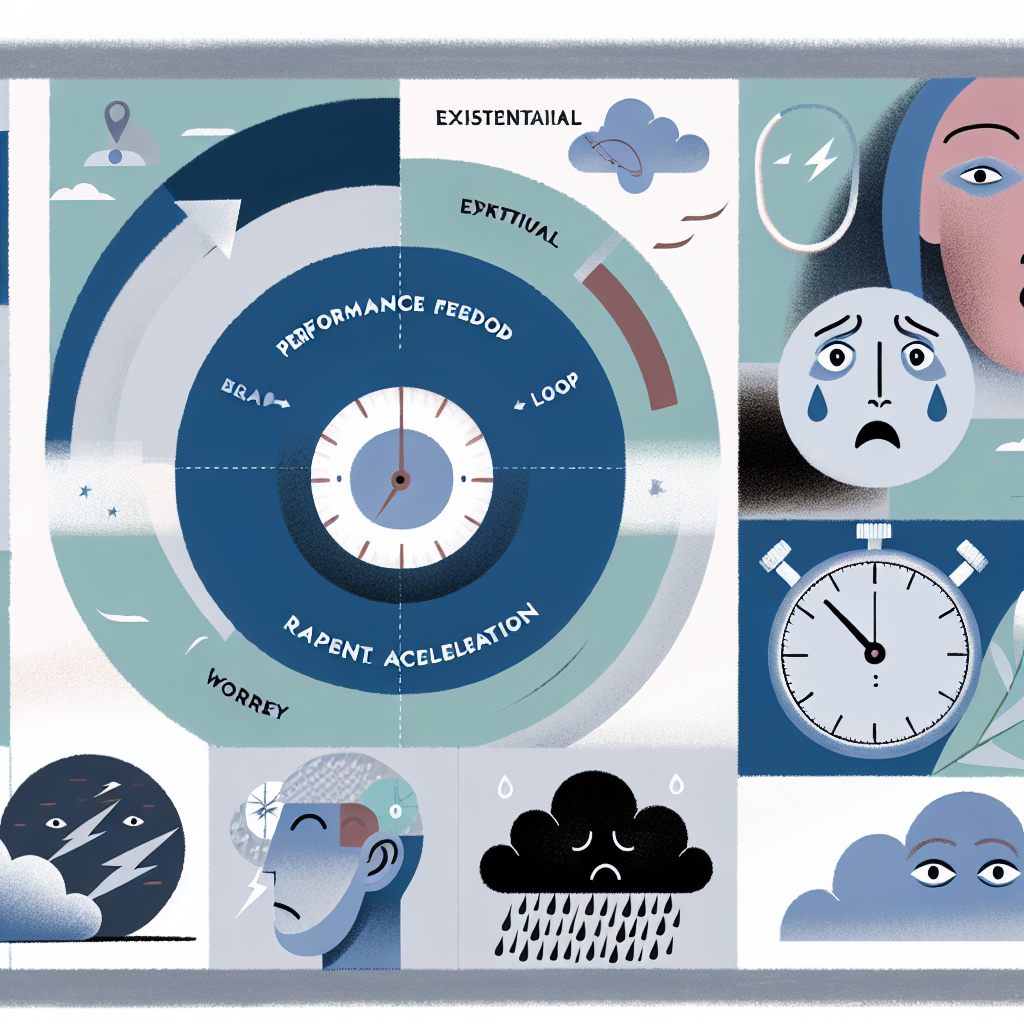
One of the most damaging psychological triggers is chronic worry. More than simply adding mental pressure, worry triggers a cascade of physical and neurological responses known as the Performance Feedback Loop. Understanding this loop is the first powerful step toward breaking free from its hold.
What Is the Performance Feedback Loop in Sexual Anxiety?
The Performance Feedback Loop refers to a psychological pattern in which stress and anxiety heighten the likelihood of premature ejaculation, creating a self-reinforcing cycle. It typically unfolds as follows:
1. Anticipatory Worry: Doubts about sexual performance arise, usually rooted in previous unsatisfying experiences.
2. Heightened Stress Response: Anxiety triggers the body’s fight-or-flight response via the sympathetic nervous system.
3. Reduced Ejaculatory Control: Stress interferes with brain-body communication, making ejaculation harder to control.
4. Fear Reinforcement: An unsatisfactory experience increases fear and worry about future encounters.
5. Cycle Repeats: With each repetition, the fear grows and contributes further to performance issues.
Sex therapist Dr. Ian Kerner explains, “Fear of quick ejaculation often becomes a self-fulfilling prophecy. The more you worry, the less control you exert.”
How Anxiety Alters Your Body’s Response
The fight-or-flight response, scientifically known as sympathetic nervous system activation, is the body’s built-in survival mechanism. Although essential during emergencies, this response can sabotage sexual control.
When stress or anxiety occurs before or during sex, the body releases stress hormones like norepinephrine and cortisol. These speed up physiological responses, including arousal and ejaculation. As a result, instead of enjoying gradual arousal, the body rushes toward climax.
Picture this like driving a car with the gas pedal stuck down. Anxiety keeps accelerating the process, cutting intimacy short and leading to a loss of sexual satisfaction.
Why “Holding It Together” Doesn’t Work
Many men attempt to solve premature ejaculation by mentally overriding the issue. Strategies such as counting backwards, clenching muscles, or trying to distract themselves are common.
Unfortunately, these efforts can increase sympathetic nervous system activity and push arousal to peak levels even faster. The harder one tries to suppress the outcome, the more immediate it becomes.
According to Dr. Laurie Mintz, “The paradox is that control comes not from tensing, but from relaxing. The more present and pleasurable the experience, the more control you naturally have.”
Controlling ejaculation through mental tricks separates you from your partner and the experience—obstructing both pleasure and presence.
Breaking the Performance Loop with Mindfulness
To escape the Performance Feedback Loop, a shift from the fight-or-flight mode to the rest-and-digest state is essential. This calmer state, governed by the parasympathetic nervous system, supports heightened pleasure, deeper connection, and better control.
Here are four proven techniques to break the cycle:
1. Practice Non-Judgmental Awareness
Recognize and acknowledge performance-related thoughts without acting on them. Redirect your focus to the present moment.
2. Use Controlled Breathing Techniques
Practice diaphragmatic or deep belly breathing. Inhale slowly through your nose, pause, and exhale gently through your mouth. This simple technique helps reset your nervous system.
3. Prioritize Sensory Connection
Shift your focus from performance goals to the sensations of the moment. Let touch, sight, and sound take center stage.
4. Communicate with Your Partner
Honest conversations reduce anxiety and increase intimacy. By sharing fears and goals, you invite support rather than pressure.
Many men also find relief from medical options like topical desensitizing creams or SSRIs. Consult with licensed providers or explore reputable sources such as eDrugstore.com for safe choices.
Effective Therapy Options for Long-Term Results
For those dealing with ongoing premature ejaculation, structured therapy can offer lasting outcomes. Common therapeutic approaches include cognitive-behavioral therapy (CBT), mindfulness-based treatments, and couples counseling, all aimed at tackling the root causes of anxiety and performance pressure.
Therapy goals typically include:
– Challenging and replacing harmful belief patterns around masculinity and sexual performance.
– Helping men redefine what makes a fulfilling sexual experience.
– Teaching relaxation and control techniques in low-pressure environments before applying them during sex.
– Rebuilding the psychological connection between arousal and relaxation instead of stress and urgency.
A study published in the Journal of Sexual Medicine found that CBT can improve ejaculatory control in up to 70% of men within just 6 to 12 sessions.
Cultivate a New Mindset for Sexual Confidence
Premature ejaculation driven by anxiety and fear thrives in silence. By shining a light on the emotional and physiological cycles that drive it, men can reclaim their control and rebuild confidence.
Next time worry arises, breathe and bring yourself back to the present moment. Sexual fulfillment is not measured by lasting a specific amount of time, but by feeling connected, relaxed, and fully engaged.
When performance pressure fades, pleasure rises—and so does confidence.
References
1. Rowland, D. L., & Patrick, D. L. (1999). “Overview of Male Sexual Dysfunction.” The International Journal of Impotence Research.
2. Kerner, Ian. (2014). She Comes First. HarperCollins Publishers.
3. Levin, R. J. (2002). “The Physiology of Sexual Arousal in the Human Male: A Recreational and Procreational Synthesis.” Archives of Sexual Behavior.
4. Mintz, Laurie. (2017). Becoming Cliterate. HarperOne.
5. McMahon, C. G. et al. (2007). “An Evidence-Based Definition of Lifelong Premature Ejaculation.” Journal of Sexual Medicine.
To learn more about medically trusted treatment options, visit edrugstore.com/premature-ejaculation.