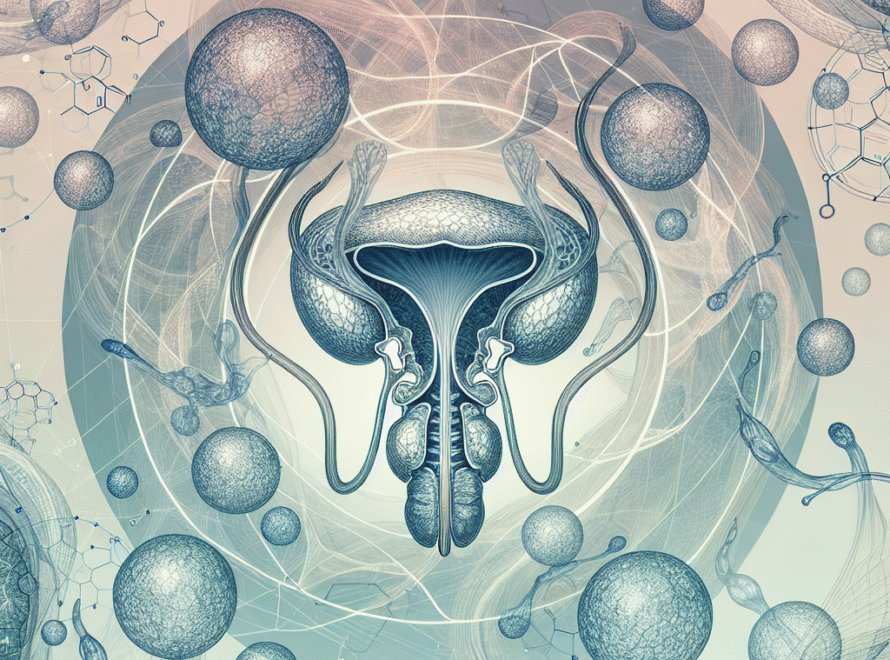
Prostate Health After Vasectomy: Understanding the Facts
When choosing a long-term birth control solution, many men ask, “Does a vasectomy affect prostate health?” It’s a valid concern, particularly because some outdated research once suggested a possible connection between vasectomy and increased prostate cancer risk. Given the abundance of conflicting information online, it’s essential to rely on research-based medical insights.
Dr. J. Stephen Jones, CEO of Inova Clinics and former chair of urology at Cleveland Clinic, reassures, “The most reliable studies show no meaningful link between vasectomy and prostate cancer, despite lingering myths.”
In this article, we’ll explore what current science says, debunk common misconceptions, and provide actionable tips for long-term prostate health after vasectomy.
What Is a Vasectomy? A Quick Overview
A vasectomy is a simple and effective outpatient surgical procedure used for permanent male contraception. It involves blocking the vas deferens—the tubes responsible for carrying sperm from the testicles. After the procedure, semen no longer contains sperm, preventing pregnancy. However, male sexual performance, libido, and testosterone levels remain unchanged.
Key facts about vasectomy:
– Over 99.85% effectiveness, according to the American Urological Association.
– The procedure typically takes under 30 minutes.
– No impact on hormone levels, erectile function, or sexual desire.
Despite its safety profile, some men still worry it may contribute to prostate disease or hormonal imbalances. So where did these concerns originate?
Origin of the Vasectomy and Prostate Cancer Myth
The speculation connecting vasectomy with prostate cancer started in the 1990s. Early observational studies suggested a possible link, with one 1993 study published in JAMA indicating that men who had vasectomies might be 1.5 times more likely to develop prostate cancer.
However, experts later identified major limitations in these studies. Dr. Otis Brawley, former Chief Medical Officer at the American Cancer Society, explains, “These studies were observational and not randomized, which means other lifestyle or genetic factors could have played a role.”
One significant issue was detection bias. Men who undergo vasectomy may visit healthcare providers more frequently, increasing the likelihood of early cancer diagnosis. In contrast, men without regular checkups may have undetected cancers, skewing the statistics.
The Scientific Consensus: What Modern Research Shows
Modern, large-scale studies have thoroughly debunked the supposed link between vasectomies and prostate cancer.
Notable findings include:
– A 2002 American Cancer Society study following over 40,000 men found no causal relationship between vasectomy and prostate cancer.
– A 2014 Harvard Health study involving 49,405 men reported a slight increase in aggressive prostate cancer risk, but the association was weak and not consistently supported by other research.
Today, the consensus among major health organizations is clear:
– The American Urological Association confirms there is “no proven association.”
– The Centers for Disease Control and Prevention includes vasectomy as a safe, effective contraceptive option.
– The National Cancer Institute states there’s no evidence linking vasectomy to increased prostate cancer risk.
Need more personalized guidance? Visit eDrugstore.com to explore safe and reliable men’s health resources.
What Really Influences Prostate Health?
While vasectomy doesn’t increase the risk of prostate cancer, several well-established factors do influence your prostate health, especially after age 50:
– Age: Risk rises dramatically after 50. Nearly 60% of prostate cancer cases occur in men over 65.
– Race: African American men face a 70% higher risk than white men and are twice as likely to die from it, according to the CDC.
– Family History: A family history of prostate cancer doubles your likelihood of developing the disease.
– Lifestyle and Diet: Poor diet, physical inactivity, and obesity all contribute to prostate cancer risk.
For instance, consider a 55-year-old man with a sedentary lifestyle, high-fat diet, and family history of prostate cancer. His risk is much higher than a 60-year-old man with a vasectomy who exercises regularly and eats healthfully.
How to Maintain Prostate Health After a Vasectomy
Even though vasectomy poses no known prostate risks, it’s still important to adopt a proactive approach to prostate health. These proven tips can help:
1. Schedule Regular Screenings:
– PSA (Prostate-Specific Antigen) tests and Digital Rectal Exams (DRE) help with early detection.
– The American Cancer Society recommends discussing screening with your doctor at:
– Age 50 for average risk
– Age 45 for high-risk individuals (such as African American men)
– Age 40 for those with a strong family history
2. Eat a Prostate-Healthy Diet:
– Include tomatoes (rich in lycopene), leafy greens, berries, and fatty fish.
– Reduce intake of red meats and processed foods.
3. Stay Physically Active:
– Aim for at least 150 minutes per week of moderate exercise, such as walking, swimming, or cycling.
4. Eliminate Harmful Habits:
– Limit alcohol consumption.
– Stop smoking, which has been linked to more aggressive forms of prostate cancer.
Be vigilant for symptoms, including difficulty urinating, blood in urine, or lower back pain. These signs may indicate prostate issues regardless of whether you’ve had a vasectomy.
The Final Word: Vasectomy Does Not Cause Prostate Cancer
Extensive research over the last few decades shows no proven connection between vasectomy and prostate cancer. Initial concerns arose from older, non-randomized studies that have since been discredited with better-designed research.
According to the National Cancer Institute: “Men should not be discouraged from vasectomy based on prostate cancer risk considerations.”
In conclusion, if you’re considering a vasectomy for long-term birth control, you can feel confident in its safety. It does not affect hormone levels, sexual function, or prostate cancer risk.
Still unsure whether vasectomy is right for you? Head over to eDrugstore.com, where certified healthcare professionals provide discreet guidance and high-quality men’s health resources.
Join the Conversation: What’s Your Experience?
Have you had a vasectomy, or are you currently considering one? What questions or concerns do you have about your prostate health? Share your thoughts in the comments to help others make more informed choices.
References
– American Cancer Society. (2002). Cohort study on prostate cancer in vasectomized men. https://www.cancer.org/
– Harvard Health Publishing. (2014). Vasectomy and prostate cancer risk. https://www.health.harvard.edu/
– Centers for Disease Control and Prevention (CDC). Prostate cancer statistics. https://www.cdc.gov/cancer/prostate/
– National Cancer Institute. (2021). Prostate cancer screening and risk. https://www.cancer.gov/
– American Urological Association (AUA). Vasectomy guidelines. https://www.auanet.org/
For more expert-guided insights on men’s reproductive health, visit https://www.edrugstore.com/ — a trusted source for effective, discreet solutions delivered to your door.