
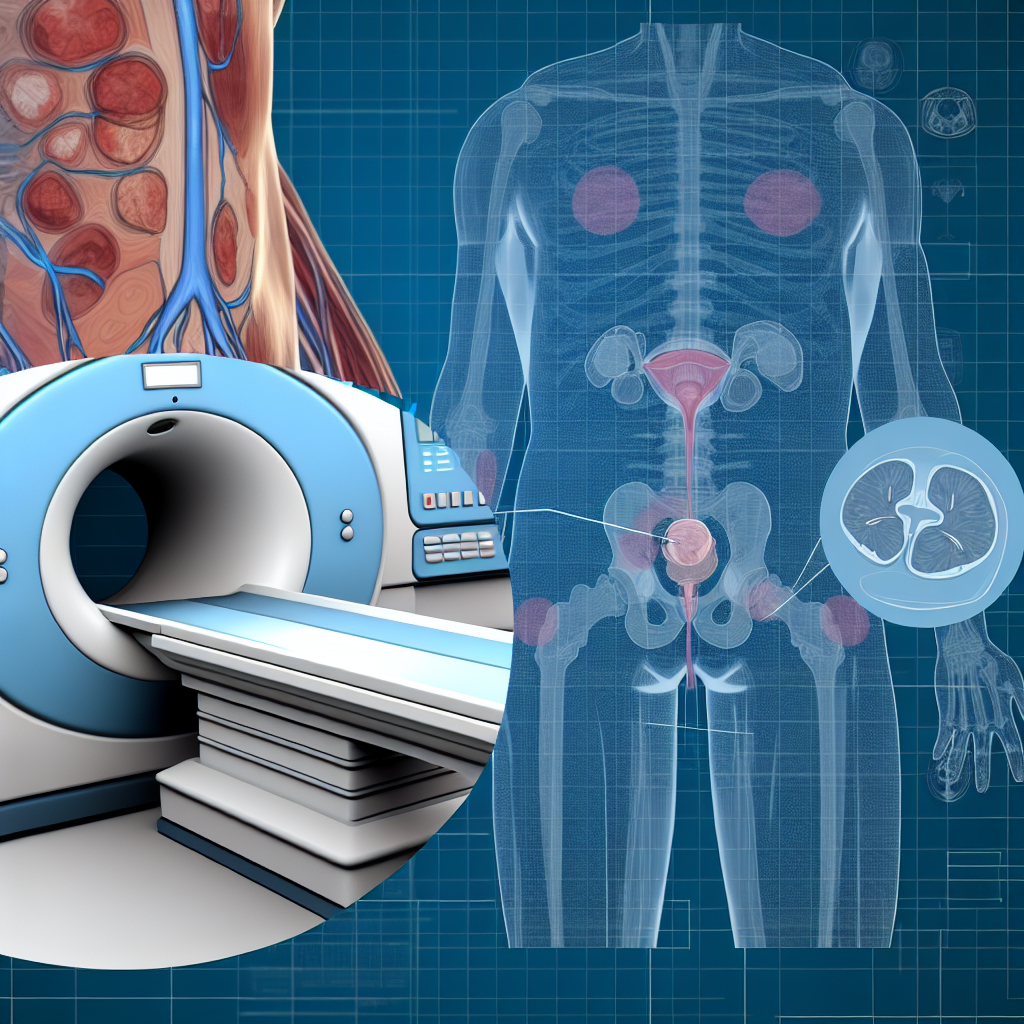
Prostate Imaging Explained: When to Get an MRI and Why It Matters
Understanding the Importance of Prostate Health
When it comes to men’s health, being proactive can be life-saving. Prostate conditions rank among the most common health concerns for men. According to the American Cancer Society, around 1 in 8 men will be diagnosed with prostate cancer during their lifetime. Fortunately, advanced, non-invasive tools like a prostate MRI for early cancer detection are making it easier for doctors to deliver accurate diagnoses and avoid unnecessary procedures.
This guide explores the role of prostate MRI scans, when to consider them, and why they’re crucial in managing your long-term prostate health.
What Is a Prostate MRI?
A multiparametric prostate MRI (mpMRI) acts like a high-definition, 3D camera, offering doctors an ultra-clear view inside the body—without any invasive techniques. Unlike traditional imaging tools such as ultrasound or CT scans, an MRI uses strong magnetic fields and sophisticated computer imaging to provide detailed visuals of the prostate and surrounding tissue.
“This technology allows us to pinpoint tumors hidden from standard screening,” says Dr. James Peterson, a board-certified urologist. “We can now focus where we biopsy, which decreases unnecessary procedures.”
Multiparametric MRI includes several imaging sequences that improve its diagnostic accuracy:
– T2-weighted imaging shows detailed prostate anatomy
– Diffusion-weighted imaging (DWI) tracks water movement within tissues, highlighting dense cellular areas such as tumors
– Dynamic contrast-enhanced (DCE) imaging uses contrast dye to identify abnormal blood flow patterns often associated with cancer
Importantly, MRIs do not use harmful radiation, making them a safe tool for long-term monitoring.
Why a Prostate MRI Can Be a Game-Changer
1. More Accurate Cancer Detection
Traditional prostate screening methods like PSA testing and digital rectal exams often lack precision. For instance, a high PSA without cancer can lead to unnecessary biopsies. However, research from the National Institutes of Health shows that MRI can reduce medically unnecessary biopsies by up to 50%.
By using imaging to identify specific suspicious areas, doctors can make smarter decisions about whether and where to biopsy. This reduces side effects like bleeding, infection, and psychological distress. For more detailed information on PSA levels, visit this helpful resource on Prostate Health from eDrugstore.com.
2. Targeted, Image-Guided Biopsies
A prostate MRI-guided biopsy enables doctors to aim precisely at abnormal tissues. According to clinical studies, this technique improves the detection of clinically significant prostate cancer by up to 30% compared to random biopsies. This means fewer false positives and faster, more accurate findings.
3. Reducing the Risk of Overtreatment
Not all prostate cancers are aggressive; some are so slow-growing they may not require treatment. MRI imaging can help distinguish between low-risk tumors and those that pose a real threat, often based on how the tumor appears and behaves in images.
“MRI helps us separate the tigers from the pussycats,” explains Dr. Emily Chen, a urologic imaging specialist. “It gives patients an opportunity to consider active surveillance rather than jumping into surgery.” (Source: European Urology, 2020)
4. Smarter Monitoring for Low-Risk Cases
Men with earlier diagnoses of low-risk prostate cancer often use MRI as part of active surveillance. Instead of repeating biopsies every several months, doctors can track changes over time with imaging. If the tumor remains stable, additional procedures may be safely avoided.
5. Reassurance in Normal Findings
A normal prostate MRI following an elevated PSA result can bring peace of mind. It helps rule out serious issues and prevents unnecessary treatment or anxiety. Patients and healthcare providers alike benefit from the clarity that MRI delivers.
When Should You Consider a Prostate MRI?
A prostate MRI isn’t a standard screening tool for all men, but under certain conditions, it can offer invaluable insights. You may be a candidate if you have:
– Unexplained increases in PSA levels
– Abnormal findings during a digital rectal exam
– Previous biopsy results that were unclear or inconclusive
– Plans for your initial biopsy and want higher accuracy
– A diagnosis of low-risk cancer under active surveillance
– Completed treatment (surgery or radiation) and need follow-up assessment
In these cases, undergoing a prostate MRI before a biopsy helps doctors plan a more targeted and informed approach. Discuss your medical history and risk factors with a urologist to determine whether this option is right for you.
Who Is Most at Risk and Should Consider MRI?
Some men carry higher risks due to age, genetics, or ethnic background. If you’re in any of the following groups, consider being especially proactive:
– Male age 50 or older (age 45 for high-risk groups)
– African American men, who face higher incidence rates
– Those with a family history (father, brother, or son) of prostate cancer
Men in these categories should talk to their doctor about MRI and other advanced imaging tools that help in early detection of cancer.
What to Expect During a Prostate MRI
Getting a prostate MRI is a straightforward, non-invasive process that generally takes between 30 and 60 minutes. Here’s how it works:
1. You’ll lay flat on a table, which moves into a large MRI machine.
2. A contrast dye called gadolinium may be injected into your vein to highlight blood flow in the prostate.
3. You’ll need to stay still for the best image quality. Earplugs or headphones are usually offered to minimize noise discomfort.
4. There’s no recovery time—you can return to daily activities right after.
If you’re concerned about claustrophobia, let your healthcare provider know. Many imaging centers offer open MRI machines or comforting amenities. Learn more about preparation at eDrugstore.com’s Prostate MRI Prep Guide.
Listen to Your Body and Take Action
Your body often sends signals when something is wrong—such as rising PSA levels or unexplained urinary symptoms. A prostate MRI offers a valuable, non-invasive way to gain clarity and peace of mind.
Early detection of prostate issues, including cancer, saves lives. MRI offers one of the most accurate and patient-friendly diagnostic tools available today. It gives both patients and physicians better information to make informed decisions, reduce unnecessary procedures, and personalize treatment strategies.
Always consult with your healthcare provider before making decisions about imaging or treatments. Armed with better information, you’ll be better equipped to protect your health.
Have Questions About Prostate Imaging or PSA Levels?
You’re not alone. If you’re unsure whether a prostate MRI fits into your healthcare plan, talk to your primary care provider or consult a trusted online provider like eDrugstore.com. Their experts can help guide your next steps based on your current health and goals.
Stay Proactive. Stay Informed. Your Health Is Worth It.
Knowledge is power—especially when it comes to prostate health. Don’t wait for symptoms to become serious. Speak with your doctor, understand your options, and take advantage of advanced tools like prostate MRI to ensure the best care possible for your future.
References
– American Cancer Society. “Key Statistics for Prostate Cancer.” 2024
– National Institutes of Health. “Prostate Imaging Reporting and Data System.” 2023
– European Urology Journal. “MRI in Prostate Cancer Diagnosis and Surveillance.” Volume 78, Issue 5, 2020
– Radiological Society of North America (RSNA). “MRI of the Prostate.”
– eDrugstore.com. “Understanding Prostate Health: PSA, Imaging & Treatment.” 2024
– National Cancer Institute. “Understanding Active Surveillance for Prostate Cancer.”
Published by [Your Blog Name] — Your Trusted Source for Health Insights & Everyday Guidance.