
—
Erectile Dysfunction: A Complex Condition
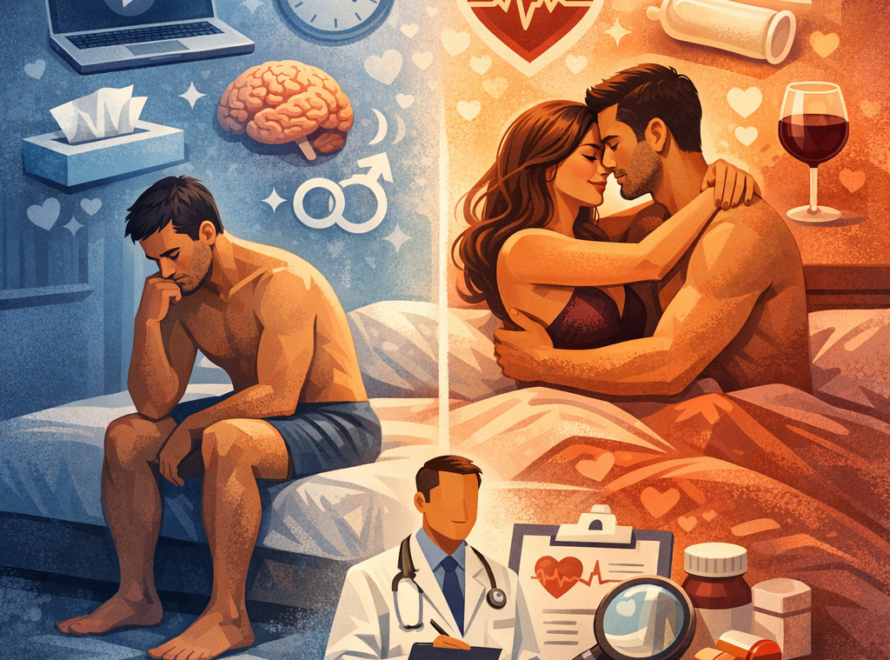
Erectile dysfunction (ED) is a condition affecting many men and can greatly influence one’s quality of life and mental well-being. Interestingly, research indicates that some men experience ED symptoms differently depending on the context—whether they are alone or with a partner. According to Dr. John Smith, a leading urologist, “The setting in which ED occurs can provide valuable insight into its possible causes.” This distinction prompts significant questions about the roots of the condition and the best approaches for addressing it in both clinical and personal situations.
The Psychological Dimension of ED
Exploring the psychological aspect, variability in ED symptoms is often attributed to psychological factors. When alone, men typically feel less pressure or anxiety compared to when they are with a partner. Performance anxiety, fear of not meeting expectations, or past traumatic experiences can heighten stress levels during partnered activities, contributing to the occurrence of ED. Dr. Emily Johnson highlights, “Stress activates the sympathetic nervous system, which can interfere with erectile function by redirecting blood flow away from the genitals.”
Identifying Situational vs. Medical ED
Clinicians face the task of distinguishing between situational erectile dysfunction and symptoms indicative of underlying medical issues. Situational ED is frequently linked to psychological factors, but it may also indicate broader health concerns like cardiovascular diseases, diabetes, hormonal imbalances, or neurological conditions. For example, the American Heart Association suggests that ED can be an early sign of heart problems. Thus, a comprehensive medical assessment is crucial for confirming or ruling out any underlying health issues.
Effective Diagnosis and Open Communication
Clear communication between patients and clinicians is vital for an accurate diagnosis. Patients should be encouraged to speak openly about when and under what circumstances their symptoms occur. Clinicians can utilize diagnostic tools like the International Index of Erectile Function (IIEF) questionnaire to evaluate the severity and potential causes of ED. According to research published in the Journal of Sexual Medicine, “questionnaires play a vital role in assessing both the psychological and physiological components” of erectile dysfunction. By considering these evaluations, clinicians can develop a nuanced understanding of the patient’s condition.
Personalized Treatment for ED Variability
When treating ED, a personalized approach is essential. For men whose ED is situational, therapy and counseling can be effective solutions. Cognitive-behavioral therapy (CBT) and couples counseling can help address performance anxiety and enhance sexual communication. For those with medical causes identified, medications like phosphodiesterase-5 inhibitors (such as sildenafil or tadalafil) may be appropriate. It’s crucial for patients to discuss all options with their healthcare providers or they can explore resources such as edrugstore.com.
Lifestyle Changes: A Positive Impact on ED
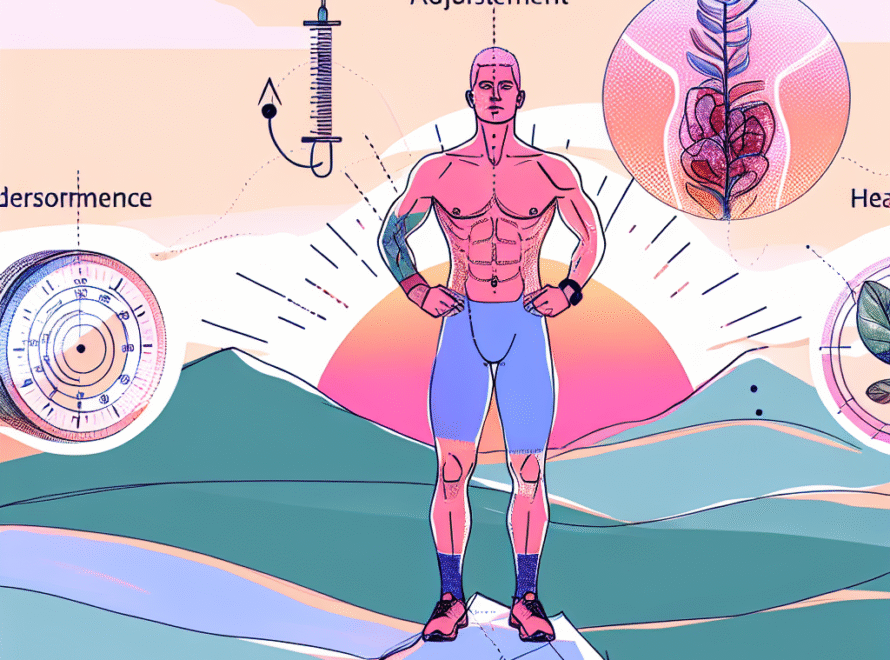
Regardless of the nature of ED, lifestyle modifications often lead to positive outcomes. Regular exercise, a balanced diet, quitting smoking, and reducing alcohol intake can improve both overall health and erectile function. Exercise supports cardiovascular health, which is essential for the blood flow necessary for erections. Furthermore, maintaining a healthy psychological state through mindfulness can reduce the situational stressors contributing to ED.
A Holistic Approach to Managing ED
In conclusion, understanding the context-specific nature of ED is critical. Open communication with healthcare providers is essential for effective treatment. By recognizing symptoms in different contexts—alone versus with a partner—and differentiating between situational and medical causes, clinicians can guide men toward optimal treatment paths. Whether through counseling, medical intervention, or lifestyle changes, the goal is to enhance physical health, psychological well-being, and intimate relationships. Fostering an environment for open discussion about ED is key to demystifying the condition and promoting more effective treatments.
**References:**
1. Smith, J. (2020). Understanding Erectile Dysfunction. The Journal of Men’s Health.
2. Johnson, E. (2021). The Psychological Impact on Erectile Dysfunction. Urological Psychology Today.
3. American Heart Association. (n.d.). Erectile Dysfunction and Heart Disease.
4. Journal of Sexual Medicine. (2019). The Role of Questionnaires in Diagnosing Erectile Dysfunction.
—