
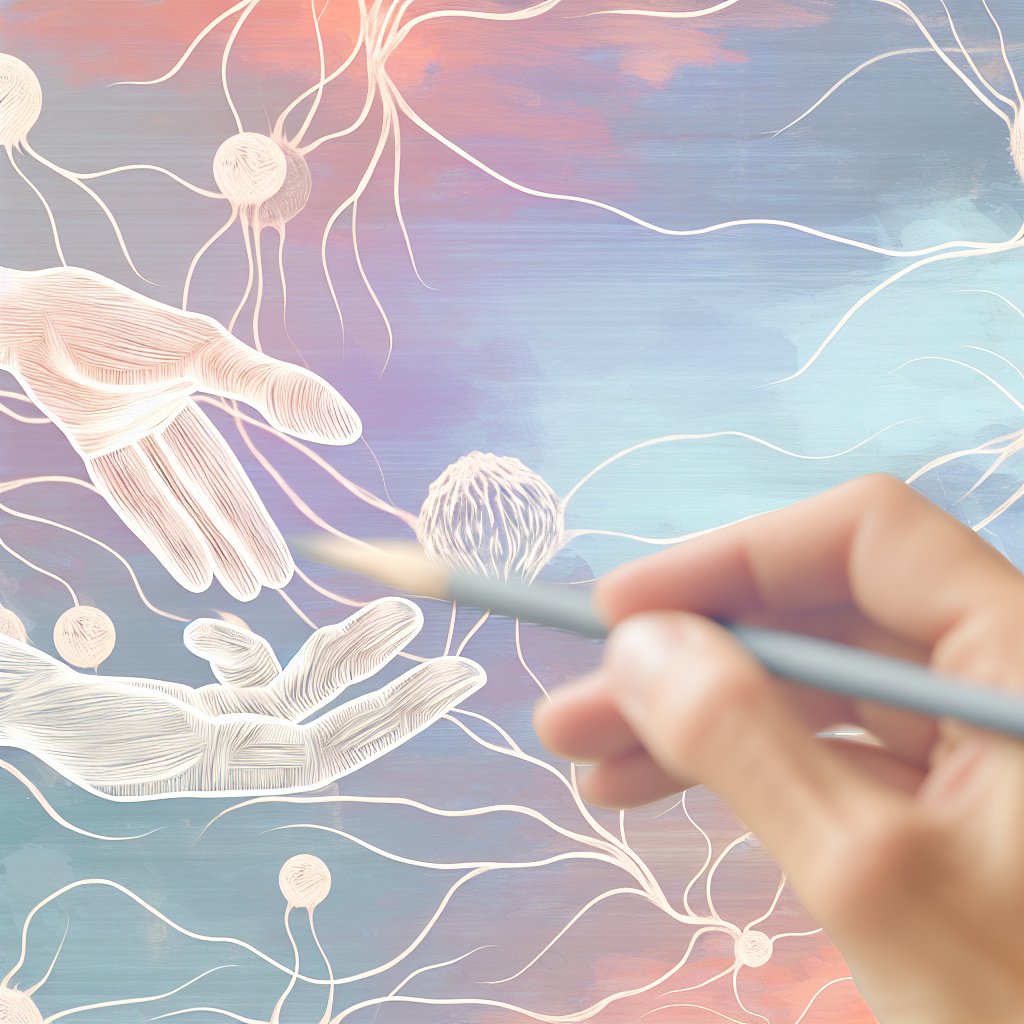
Retraining the Nervous System Together in a Modern World
In today’s fast-paced, high-stress environment, our bodies are constantly under strain. According to the American Psychological Association, more than 77% of adults frequently experience physical symptoms caused by stress. Persistent tension, anxiety, and trauma-related reactions often become part of daily life—leaving many feeling emotionally disconnected from their bodies, themselves, and the people they care about.
As awareness grows around holistic healing, more individuals are turning to the emerging, science-supported approach of the Partner Touch Re-Education Method. This unique technique supports nervous system health through intentional, mindful physical contact between two people. It draws on foundational principles of somatic therapy and co-regulation to restore a deep sense of balance, safety, and connection.
As somatic trauma expert Dr. Peter Levine emphasizes, “Trauma is not what happens to us, but what we hold inside in the absence of an empathetic witness.” This method reintroduces the concept of that empathetic witness through touch, helping individuals feel seen, supported, and safe.
What Is the Partner Touch Re-Education Method?
At its essence, the Partner Touch Re-Education Method is a somatic practice grounded in co-regulation and relational healing. It encourages two individuals—whether they are partners, close friends, or therapist-client pairs—to engage in slow, consensual, and attuned physical contact.
This isn’t massage therapy. It’s not about fixing the body or manipulating deep tissue. Instead, it focuses on establishing a deeper sense of physical and emotional safety through gentle, mindful touch.
The method integrates concepts from Polyvagal Theory, Attachment Theory, and Somatic Experiencing. Developed by Dr. Stephen Porges, Polyvagal Theory explains that our nervous system’s sense of safety depends heavily on social interaction and comforting cues. When touch is slow and attuned, it sends a signal to the brain that says, “You’re safe.”
For example, imagine someone with a history of emotional neglect receiving a consensual hand on the back from a loved one in a quiet, peaceful setting. With time and repetition, their nervous system begins to register that touch can once again be a source of comfort and safety.
Why Touch Matters: The Body Holds the Story
Touch is one of the earliest ways we explore the world and build trust. Scientific research published in the Journal of Neuroscience shows that nurturing touch activates the brain’s reward centers, reduces cortisol (the stress hormone), and increases oxytocin, often referred to as the bonding hormone.
Unfortunately, not everyone has experienced touch in a positive way. For individuals with trauma histories—particularly related to neglect, abuse, or overwhelming emotional experiences—physical contact can feel threatening or triggering.
The Partner Touch Re-Education Method offers a powerful solution through what experts call a corrective emotional experience. This method provides the nervous system with small, safe, and intentional interactions, slowly rewiring how the body perceives and responds to touch.
According to Dr. Bessel van der Kolk, “The body keeps the score.” Trauma doesn’t just reside in memories—it is stored in the body. By using trusted, conscious touch, we can begin to re-pattern those embodied responses into something new and life-affirming.
One real example is a woman recovering from postpartum anxiety. With her partner, she practices five minutes of regulated shoulder touch paired with slow breathing. Over time, her panic episodes diminish, and she describes a growing sense of peace and presence within her body.
Creating a Safe and Respectful Container for Healing
The cornerstone of the Partner Touch Re-Education Method is safety—both physical and emotional. Before any contact begins, both individuals participate in a mutual check-in to ensure full, enthusiastic consent.
This pre-touch dialogue helps create what therapists refer to as a “window of tolerance”—a psychological and physiological space where the nervous system is neither overwhelmed nor dormant, but open to connection.
Touch may involve placing a grounded hand on the heart, upper back, or forehead—based entirely on the comfort and preferences of both people involved. During this process, the giver of touch maintains a calm, reflective state, carefully observing the receiver’s subtle responses.
As trauma-informed educator Betty Martin, creator of the Wheel of Consent, says, “Consent is not one-time permission—it’s an ongoing relationship.”
By keeping connection at the center of each interaction, this method fosters a deep atmosphere of co-regulation, where both participants feel emotionally aligned and anchored.
The Healing Power of Co-Regulation
Unlike therapies that focus solely on self-regulation strategies like breathwork or meditation, the Partner Touch Re-Education Method centers on the power of co-regulation—an essential element in trauma recovery.
Humans naturally regulate best in the presence of another person’s calm, responsive energy. Research published in Frontiers in Psychology confirms that emotionally attuned connection significantly reduces stress markers—often more effectively than solo methods.
Co-regulation is what happens instinctively when a parent soothes an upset child through holding or presence. This same dynamic can support adults recovering from chronic stress, trauma, or disconnection.
For those navigating anxiety, intimacy struggles, or high-pressure lifestyles, re-aligning the nervous system with supportive human touch can have a transformative effect—especially when paired with healthy habits like sleep, nutrition, and professional support.
Who Can Benefit from the Partner Touch Re-Education Method?
The power of this method lies in its versatility and accessibility. It’s a valuable tool for a wide range of individuals, including:
– Trauma survivors who experience numbing, dissociation, or hyper-vigilance.
– Couples aiming to rebuild emotional and physical trust in their relationship.
– Therapists, bodyworkers, and coaches wanting to enhance their work with trauma-informed touch.
– Caregivers and busy professionals dealing with ongoing stress or emotional fatigue.
No special credentials are required to begin practicing this method. With dedication, sensitivity, and open communication, it becomes a powerful tool for connection and holistic healing across various relationships.
Simple Ways to Bring Touch Re-Education into Daily Life
One of the most empowering aspects of the Partner Touch Re-Education Method is its ease of access. You don’t need complex tools or training to begin. All that’s required is presence, mutual consent, and the intention to connect.
Here are a few practical ways to integrate it into everyday life:
– Place a calm, grounding hand on your partner’s chest during a moment of stress.
– Sit quietly together, allowing hands or shoulders to remain in gentle contact.
– Regularly check in with statements like, “How are you feeling with this touch?”
Even a few minutes each day can begin to shift longstanding patterns of withdrawal or defensiveness. Many individuals and couples practicing this method report noticeable improvements in relaxation, communication, sleep, and overall connection.
An example: A couple sets aside ten minutes every evening to sit back-to-back with connected breath. Over the course of a month, anxiety lessens, their communication deepens, and they report better sleep quality.
Healing Through Connection: Final Thoughts
In a society often dominated by isolation and digital communication, the Partner Touch Re-Education Method is a return to something beautifully simple—and profoundly human: presence.
This technique shows us that healing doesn’t need to be complicated. It doesn’t begin with equipment, prescriptions, or even complete understanding. It begins when two people slow down, make eye contact, and say with their touch and their presence, “I’m here with you.”
As Dr. Stephen Porges reminds us, “Safety is the treatment.” By cultivating safety together, we begin to heal together.
When you find yourself feeling ungrounded or overwhelmed, consider a simple request to someone you trust: “Would it feel okay if I offered touch?” And be open to their response. Sometimes, healing starts with a yes.
References
– American Psychological Association, Survey on Stress, 2022
– Levine, P. (2010). In an Unspoken Voice
– van der Kolk, B. (2014). The Body Keeps the Score
– Porges, S., Polyvagal Theory
– Martin, B., Wheel of Consent Framework
– Frontiers in Psychology (2020). “Emotional Co-regulation and Relationship Satisfaction”
– Journal of Neuroscience (2019). “The Neurochemistry of Touch and Stress Response”
– Restorative Touch Institute Annual Report, 2022
For additional wellness guidance and nervous system support tools, visit resources at edrugstore.com.