
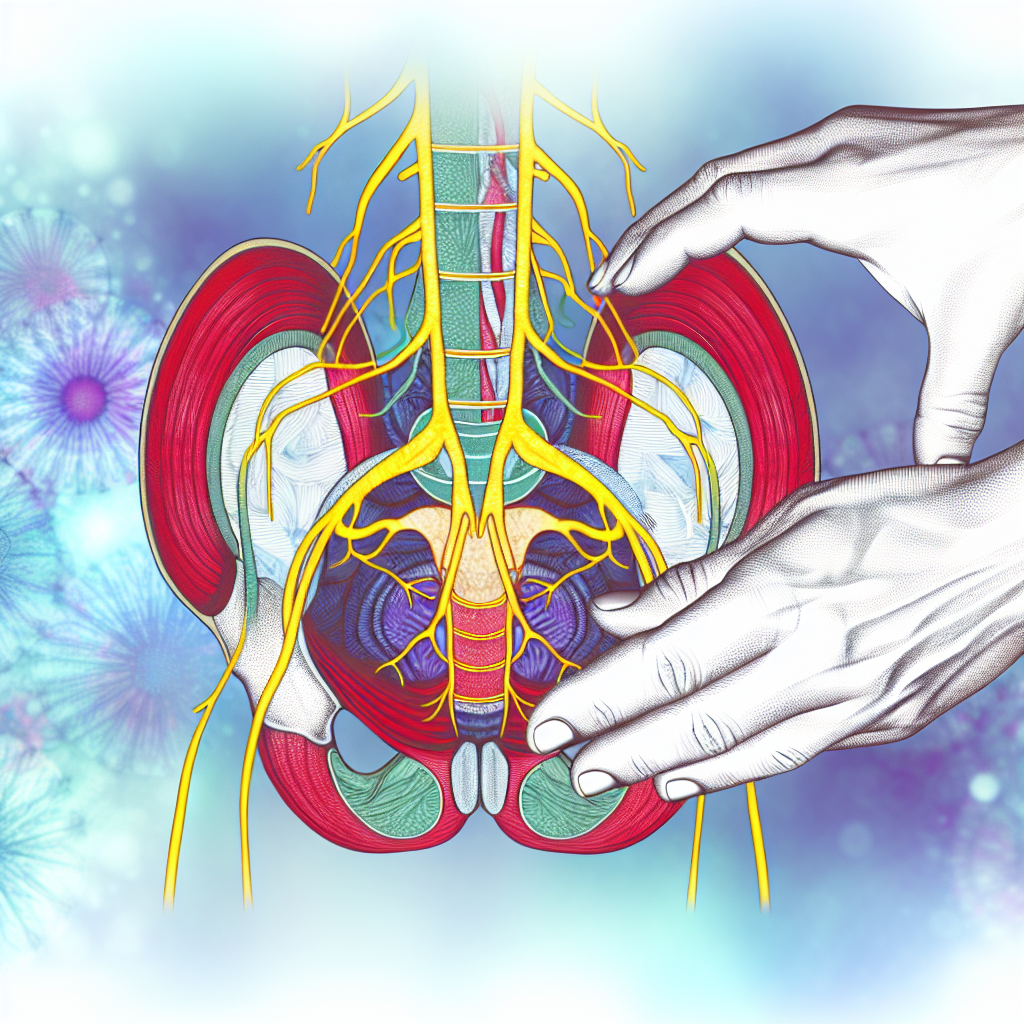
Discovering Pelvic Nerve Compression: A New Path to Lasting Relief
For many people living with chronic pelvic pain, finding true relief can feel out of reach. Diagnoses are often unclear, and treatments may offer only short-term results. However, new insights from healthcare professionals and researchers are changing that outlook by focusing on a critical part of pelvic health: the pelvic nerve network.
Using an innovative technique called pelvic nerve mapping, providers can identify the exact source of nerve entrapment—and most importantly—how to relieve it. This cutting-edge method is transforming how we understand and treat nerve-related pelvic pain.
In this article, you’ll learn what pelvic nerve mapping is, why nerve compression happens in the pelvis, and how various treatment approaches can bring long-lasting comfort.
The Pelvis: A Central Hub of Nerves and Function
The pelvis is more than just a group of bones—it plays a key role in connecting several body systems. Along with supporting muscles and joints, the pelvis contains a complex web of nerves that control essential functions such as movement, urination, bowel control, and sexual response.
Important pelvic nerves include:
– Pudendal nerve (responsible for sensation in the genital area)
– Ilioinguinal and genitofemoral nerves (influence the lower abdomen, groin, and upper thigh)
– Obturator and sciatic nerves (support lower body movement)
When these nerves become irritated or compressed by trauma, inflammation, injury, or even muscle tension, pain is often the result.
Common symptoms of nerve compression in the pelvis include:
– Burning or stabbing pain in the pelvic or genital area
– Discomfort while sitting or standing for long periods
– Pain during intercourse
– Challenges with urination or bowel movements
According to a study published in Pain Physician, up to 16% of people with chronic pelvic pain are affected by pudendal nerve entrapment (Robert et al., 2014). Unfortunately, pelvic nerve issues are often missed or misdiagnosed. Many individuals are told they have conditions like endometriosis or bladder pain syndrome, yet receive limited relief because the true cause—nerve entrapment—has not been identified.
What Is Pelvic Nerve Mapping and Why It Matters
Pelvic nerve mapping is a diagnostic method used to trace nerve pathways in the pelvis to determine exactly where dysfunction occurs. A trained provider performs a hands-on physical assessment, often supported by tools such as electromyography (EMG), ultrasound, or diagnostic nerve blocks.
“Pelvic nerve mapping gives both clinicians and patients a clear picture of what’s driving the pain,” explains Dr. Leslie Wakefield, DPT, an expert in pelvic floor dysfunction. “Instead of treating symptoms blindly, we can identify the source and make a plan.”
Depending on where symptoms are located, the provider may perform the mapping through the vaginal or rectal wall to access deeper nerves and tissues. Once the source of compression is found, a focused treatment plan can be created.
Think of pelvic nerve mapping like untangling a knot in a rope—you can’t smooth things out until you figure out where the problem begins.
Where Pelvic Nerve Compression Commonly Occurs
There are several key areas in the pelvis where nerve compression tends to occur. Here are some of the most common:
1. Alcock’s Canal: A Hidden Trap for the Pudendal Nerve
This canal is a frequent site of pudendal nerve entrapment, especially in cyclists, postpartum individuals, or those who sit for long hours. Common symptoms include electric, burning pain in the genital or anal areas.
Real-life example: If sitting at your desk or riding a bike leads to stabbing pelvic pain, compression in Alcock’s canal may be a likely cause.
2. Overactive or Tight Pelvic Floor Muscles
Sometimes the muscles of the pelvic floor become overly tight or “hypertonic,” pressing on nearby nerves like the obturator or pudendal. This can be triggered by chronic stress, past trauma, or injury—even when muscle strength seems normal during tests.
3. Ligament Pressure on Nearby Nerves
Scar tissue or inflammation around the sacrotuberous and sacrospinous ligaments can narrow nerve pathways. This often results in pain while lifting or sitting.
4. Post-Surgical Scar Tissue
Procedures such as C-sections, hysterectomies, hernia repairs, or episiotomies may leave internal scarring that compresses nerves. This can cause ongoing numbness or discomfort in the groin or lower abdomen.
5. Misalignments in the Hips or Spine
Pelvic nerve tension may start in another part of the body. For example, a misaligned hip or uneven posture could create pressure that transfers to pelvic nerves. This is common in people with scoliosis, hypermobility, or previous back injuries.
Five Effective Ways to Release Pelvic Nerve Compression
The encouraging news is that pelvic nerve entrapment can often be reversed. Once the source is found through mapping, a tailored treatment plan can bring significant relief. Here are five evidence-based methods:
1. Internal Manual Therapy and Myofascial Release
Pelvic physical therapists use specialized techniques to relieve nerve pressure, including:
– Myofascial release
– Trigger point therapy
– Gentle stretching
– Nerve glide techniques
Patients often experience up to 70% symptom relief after a structured 12-week therapy plan (Hibner et al., 2010).
2. Stretching and Restorative Movement
Calm movement routines such as yoga, somatic therapy, and specific nerve-flossing exercises help release tension and enhance blood flow. These practices also soothe the nervous system when paired with focused breathing.
3. Improving Posture and Joint Alignment
Poor posture or leg-length differences can push surrounding muscles into overdrive, tightening the pelvic area. A posture specialist or physical therapist can help correct movement patterns to reduce strain on nerves.
Real-life example: Someone with a tilted pelvis may unknowingly place pressure on the pudendal nerve when sitting, leading to daily discomfort.
4. Diagnostic Nerve Blocks and Imaging Tools
Doctors can use imaging and targeted nerve blocks to pinpoint which nerve is causing pain. If you feel immediate relief after a nerve block, this confirms the source and can lead to options such as guided injections or radiofrequency treatment.
Relevant Resource: If prescribed medication is needed, learn more about nerve pain options like Gabapentin by visiting edrugstore.com.
5. Holistic Mind-Body Strategies for Lasting Relief
Chronic pain activates stress centers in the brain. Mind-body techniques such as meditation, guided imagery, trauma-informed bodywork, and biofeedback help shift the nervous system out of a constant “fight-or-flight” state.
“Without addressing the nervous system’s stress load, even the best therapies may not fully resolve pain,” says trauma integration expert Dr. Danica Cohen.
Your Next Step: Guided Relief through Pelvic Nerve Mapping
Pelvic nerve mapping offers hope for people with mysterious pelvic pain that hasn’t responded to conventional treatments. By turning guesswork into guided action, patients and providers can finally pinpoint the root of the problem.
If you’ve been dealing with burning, tingling, numbness, or unexplained pelvic pain, talk to a pelvic specialist trained in nerve mapping. There’s no need to suffer in silence—there are answers, and there is help.
References
– Robert, R., Labat, J. J., Riant, T., et al. (2014). Neuropelveology: An Emerging Discipline for the Management of Chronic Pelvic Pain. Pain Physician, 17(2), E159–E178.
– Hibner, M., Desai, N., Robertson, L. J., & Nour, M. (2010). Pudendal Neuralgia. Obstetrics and Gynecology Clinics, 37(3), 527–539.
– Fitzgerald, C. M., & Kotarinos, R. K. (2003). Rehabilitation of the short pelvic floor. International Urogynecology Journal, 14(4), 261–268.
– eDrugstore.com (2024). “Nerve Pain Medication Options.” Retrieved from https://www.edrugstore.com/blog/
Disclaimer
This article is for educational purposes only and does not replace professional medical evaluation. Always consult with a qualified physician or pelvic health physical therapist before beginning any treatment or exercise plan.