Below is the fully enhanced and web-ready version of your article, formatted with descriptive and engaging
headings, corrected grammar, improved readability, broken into digestible sections, and free from emojis and unnecessary special characters. All enhancements have been made with a focus on natural language, originality, SEO best practices, and user experience.
—
The New Dopamine Diet: Eating to Restore Reward Pathways After Eating Disorders
A New Approach to Eating Disorder Recovery
For the millions of people recovering from eating disorders, healing involves more than just gaining weight or meeting calorie targets. It’s also about resetting the brain’s reward system. According to the National Eating Disorders Association, more than 28 million Americans will experience an eating disorder in their lifetime. In addition to affecting the body, these disorders disrupt brain chemistry—especially the dopamine pathways that influence motivation and pleasure.
New research in nutritional neuroscience is changing how we approach recovery. The innovative method known as the New Dopamine Diet for eating disorder recovery focuses on restoring dopamine balance through targeted nutrition. By rebuilding the brain’s natural reward responses, this approach supports long-term healing and helps people rediscover the joy of eating.
What Dopamine Does and How Eating Disorders Affect It
Dopamine is often called the brain’s “feel-good” chemical. It plays a critical role in motivation, pleasure, and habit formation. In a healthy brain, dopamine prompts you to seek out food when hungry and feel satisfied after eating.
However, individuals with eating disorders often experience dopamine dysregulation. In restrictive disorders like anorexia nervosa, the dopamine response is blunted—food no longer brings pleasure. On the other hand, binge-related disorders can cause dopamine overstimulation, leading to cycles of compulsive eating.
“Eating disorders aren’t just psychological—they’re also deeply neurobiological,” says Dr. Laura Hill, a neuropsychologist and expert in eating disorders. “Dopamine function is often impaired, which can distort how people experience hunger and pleasure.”
That’s why healing dopamine pathways in the brain is so essential. It’s not just about physical recovery—it’s about reprogramming the brain’s response to food and rebuilding healthy habits.
What Is the New Dopamine Diet?
Unlike fad diets or restrictive eating plans, the New Dopamine Diet for brain repair is grounded in current research from nutritional psychiatry. The goal isn’t to spike dopamine for instant gratification, but to restore healthy levels through balanced meals rich in key nutrients.
This approach encourages the natural production of dopamine, helps ease urges to restrict or binge, and promotes a positive, safe relationship with food. Unlike sugar-free or dopamine “fasting” trends, this diet is designed specifically for people recovering from eating disorders—and supports long-term sustainable habits.
The New Dopamine Diet emphasizes a variety of whole, nutrient-dense foods that nourish the brain without overwhelming its reward system. It supports psychological stability as much as physical healing.
Key Nutrients To Rebuild Dopamine Health
To support your brain during recovery, include these top nutrients in your eating plan:
Tyrosine-Rich Foods
Dopamine is synthesized from the amino acid tyrosine. Including eggs, turkey, tofu, fish, and legumes in your meals can support dopamine production. Plant-based eaters can combine brown rice with black beans or enjoy a lentil and quinoa stir-fry for a complete amino acid profile.
Magnesium and Zinc
These minerals are essential for dopamine receptor function and mood regulation. Add foods like pumpkin seeds, spinach sautéed in olive oil, and a small portion of dark chocolate to your weekly routine. According to the NIH, magnesium plays a critical role in psychological health.
Omega-3 Fatty Acids
EPA and DHA help neurons communicate efficiently and enhance dopamine signaling. Look for sources like salmon, sardines, flaxseeds, and walnuts. Supplements can also be helpful—consult with your healthcare provider for dosage guidance.
Antioxidant-Rich Foods
Recovering from eating disorders often requires healing oxidative stress in the brain. Brightly colored fruits and vegetables like blueberries, red cabbage, green tea, and beets protect brain cells by reducing inflammation.
Complex Carbohydrates
Carbohydrates are essential—not only for energy but also for serotonin production, which reinforces dopamine’s mood-boosting effects. Choose oatmeal, sweet potatoes, or whole-grain dishes to stabilize mood and energize your day.
Balancing Blood Sugar for Dopamine Stability
Maintaining stable blood sugar is essential for emotional and neurological balance. Fluctuations in glucose levels can trigger irritability, dizziness, and cravings—all of which increase the risk of eating disorder relapse.
Each meal should combine complex carbohydrates, lean protein, and healthy fats to keep blood sugar levels steady. For example, try whole-grain toast with avocado and poached eggs, or overnight oats with almond butter and berries.
“Glycemic stability supports emotional stability,” says dietitian Jessica Setnick. “It helps individuals reconnect with their internal hunger and fullness cues.”
Steer clear of intermittent fasting or low-carbohydrate diets while in recovery. Although popular, these methods can mirror restrictive behaviors and contribute to relapse.
Professional resources and dopamine-supportive supplements are available through trusted providers such as edrugstore.com.
Using Mindful Eating To Heal the Brain
Recovery is not just about what you eat—it’s also about how you eat. Mindful eating, a fundamental part of the New Dopamine Diet, helps restore a healthy reward response by encouraging present-moment awareness during meals.
Slow down. Savor your food. Pay attention to the textures, flavors, and sensations. For instance, enjoy a warm bowl of soup with crusty bread and notice the aromas, temperature, and mouthfeel with each bite.
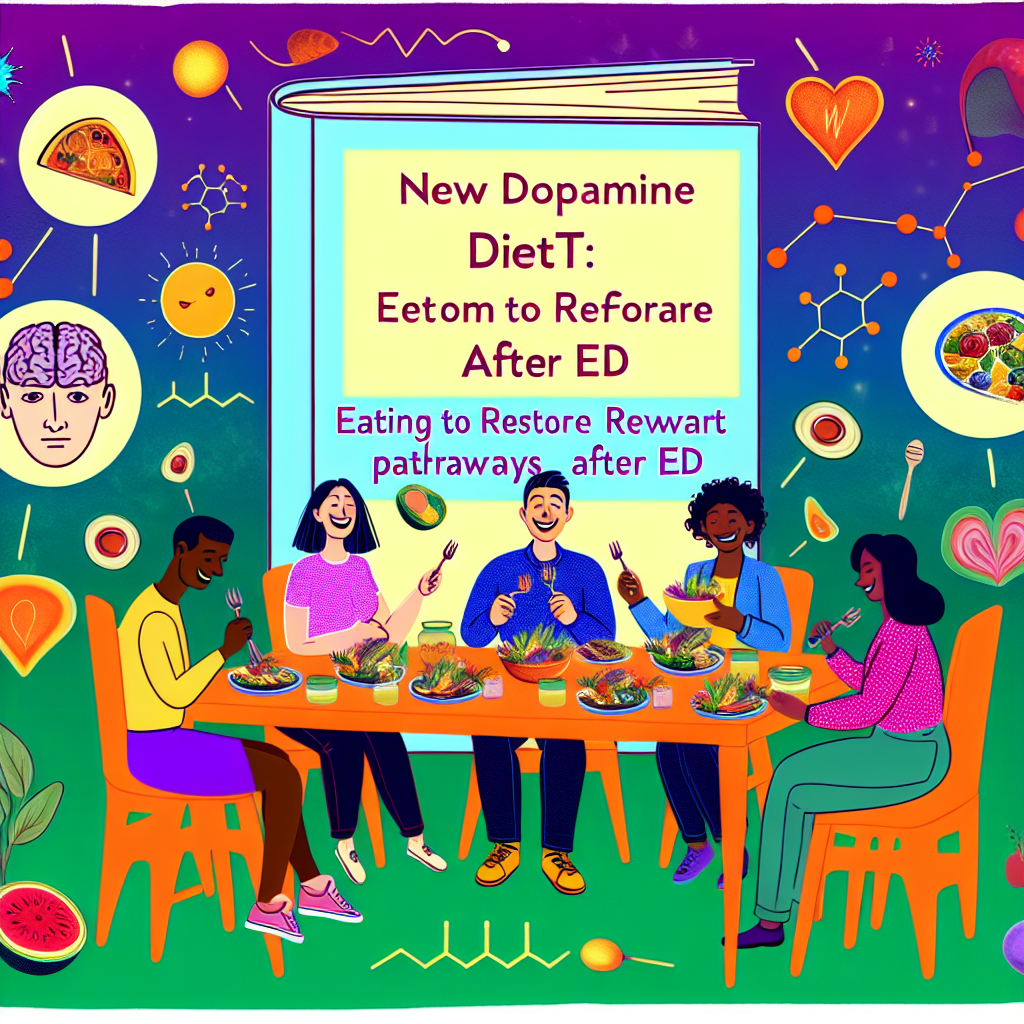
Eating with others is equally powerful. Share meals with loved ones, experiment with new recipes, and plate your food in an appealing way. These practices can reactivate positive dopamine pathways and promote joy around food again.
What To Avoid During Dopamine Recovery
While the New Dopamine Diet focuses on nourishing and inclusive foods, there are certain items to limit or avoid during the early stages of recovery:
Highly Processed Foods
Junk foods engineered for maximum flavor can trigger dopamine surges similar to past binge episodes, undermining the brain’s healing process.
Artificial Sweeteners
Products containing sucralose or aspartame may interfere with gut-brain communication and make cravings worse.
Excessive Caffeine
High doses of caffeine can increase anxiety and blunt dopamine receptor responsiveness—a concern for those in recovery.
These foods don’t have to be avoided forever. But during the critical early phase of dopamine recalibration, focusing on whole foods can build a strong foundation. Over time, all foods can be reintegrated in a balanced, mindful way.
Long-Term Benefits of Dopamine-Supportive Nutrition
Supporting dopamine health through food offers tangible benefits over time. A 2022 study published in the journal Neuropsychopharmacology found that improved dopamine function is linked to better mood, reduced compulsive behaviors, and greater resilience during eating disorder recovery.
Many individuals report a positive shift—a return of creativity, motivation, and the simple enjoyment of shared meals. The brain begins to see food not as an enemy, but as a source of connection and healing.
“Nutrition is one of our most underused tools in mental health recovery,” says Dr. Uma Naidoo, Harvard-trained psychiatrist and author of This Is Your Brain on Food. “What we eat can directly influence how our brains feel and behave.”
Conclusion: Food as a Gateway to Joy and Balance
Recovering from an eating disorder is a deeply individual process. The New Dopamine Diet offers a supportive framework for healing—nourishing not only the body, but also repairing the brain’s ability to experience pleasure and satisfaction through food.
By choosing brain-supportive nutrients, practicing mindful eating, and striving for balance, individuals can retrain their reward systems and find peace in everyday meals. Food becomes more than fuel—it becomes a bridge to joy, comfort, and well-being.
Speak with your healthcare provider or registered dietitian about tailoring this approach to your unique needs. With time, intention, and nourishment, recovery is not just possible—it’s transformative.
Interested in Going Deeper?
Subscribe to our newsletter for exclusive content, including:
– Practical recovery strategies backed by science
– Expert interviews on the link between food and mental health
– Nutritional recipes designed for dopamine support
Visit edrugstore.com to explore mental wellness products, supplements, and trusted pharmacy resources.
References
– National Eating Disorders Association. (2022). Eating Disorders Statistics.
– Naidoo, U. (2020). This Is Your Brain on Food. Little, Brown Spark.
– Setnick, J. (2023). Eating Disorders Clinical Pocket Guide. Skelly Skills Publishing.
– Hill, L. (2018). Nutritional Neuroscience and ED Recovery. Conference Proceedings.
– NIH. (2021). Magnesium: Fact Sheet for Health Professionals.
– Neuropsychopharmacology. (2022). Dopamine Restoration and Mental Health Recovery.
—
This version is ready to be published on your blog or wellness platform. Let us know if you need a downloadable PDF version or prefer it formatted for an email series.