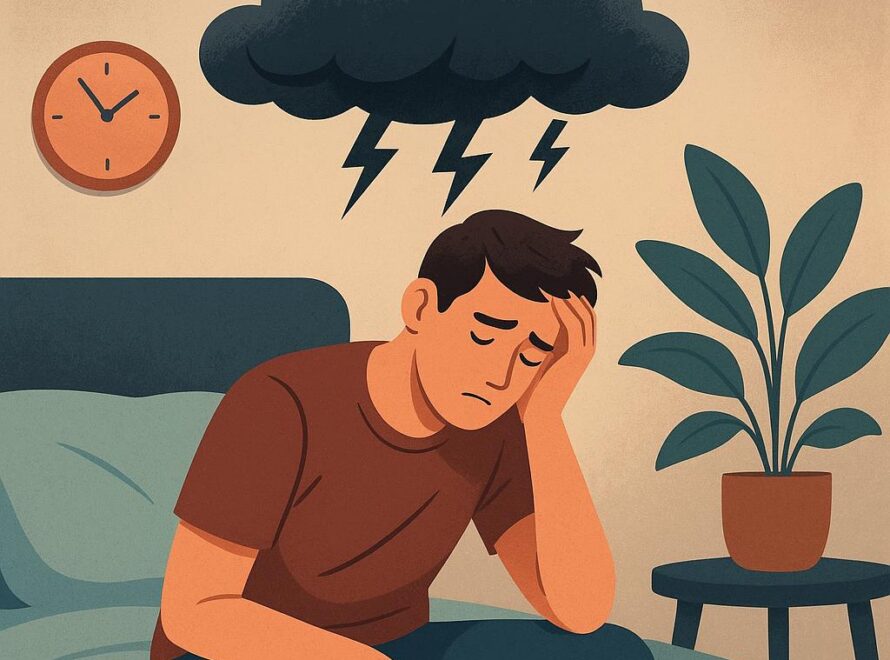
Post-Weight Loss ED: When Fat Loss Reduces Estradiol Too Quickly
Losing weight is often considered a major step toward better health. Methods like calorie deficits, cardio, and clean eating can boost energy, lower the risk of disease, and improve self-confidence. However, for some men, shedding excess fat—especially too quickly—can lead to an unexpected problem: erectile dysfunction after weight loss.
While it’s commonly believed that a leaner physique enhances hormone levels and sex drive, the reality is more complicated. New research shows that rapid fat loss can lower estradiol levels too quickly, triggering issues like low libido and poor erectile function.
Why Estradiol Matters for Men
Testosterone usually steals the spotlight in men’s health conversations, but estradiol plays a crucial, often overlooked role in male sexual health. Estradiol is produced when the enzyme aromatase—mostly stored in fat tissue—converts testosterone into estrogen. Though men need it in smaller amounts than women, estradiol helps:
– Regulate nitric oxide, essential for healthy blood flow and erections
– Maintain bone strength and density
– Support mood, memory, and focus
– Protect heart health
“Men often ignore estrogen altogether, not realizing that too little estradiol can be as harmful as too much,” says Dr. John Crisler, a leading expert in men’s hormone therapy.
Even with normal or elevated testosterone levels, insufficient estradiol can contribute to erection difficulties.
How Fat Loss Can Lead to Erectile Problems
It’s well-documented that obesity and erectile dysfunction often go hand in hand. In fact, almost 79% of men with ED are either overweight or obese (Journal of Sexual Medicine, 2015). So, weight loss is a common recommendation for improving hormone function and blood flow.
Often, this strategy works—testosterone increases, insulin sensitivity improves, and cardiovascular health gets better. However, if fat loss occurs too quickly, something else begins to happen.
As fat decreases rapidly, the body loses aromatase enzymes, leading to a sudden drop in estradiol production. This imbalance can result in:
– Joint pain
– Mood changes
– Erectile dysfunction—even when weight loss is successful
For example, a man on a strict diet cutting over 1,200 calories daily may see initial fat loss success. But after a few weeks, he might feel frustrated by a lower sex drive—despite achieving visible abs.
When High Testosterone Isn’t Enough
Picture this: A man loses 30 pounds, checks his bloodwork, and sees his testosterone rise from 450 to 650 ng/dL. Sounds like a success story. But what if he still experiences erectile dysfunction?
This scenario is not uncommon. The missing link is often estradiol.
“Testosterone can’t do its job without a balance of estradiol,” explains Dr. Neal Rouzier, a renowned hormone optimization specialist.
Unfortunately, many men assume that “estrogen is bad” and either avoid healthy fats or take supplements to block estrogen further. This can backfire, leading to worsened blood flow, decreased arousal, and dips in mood.
Signs of Low Estradiol Every Man Should Know
If you’re wondering whether low estradiol could be affecting your health, look out for these symptoms:
– Poor erection quality despite normal testosterone levels
– Low sexual desire
– Emotional issues like irritability or sadness
– Achy joints or stiffness
– Trouble sleeping
– Bone discomfort or early signs of bone density loss
These symptoms often go unnoticed or misdiagnosed unless a doctor specifically checks estradiol levels. It’s also essential to measure markers like SHBG (sex hormone–binding globulin), which controls how much hormone is freely available in the body.
Tips for Maintaining Hormone Balance During Weight Loss
Keeping your hormone levels balanced while losing weight doesn’t mean compromising your progress. Instead, it’s about smart strategies that support sustainable outcomes.
Here’s how to protect healthy estradiol levels without halting your fitness journey:
1. Lose weight gradually: Aim to shed 1 to 2 pounds per week. This controlled pace helps your body adjust hormones naturally.
2. Monitor your hormone panel consistently: Test for total and free testosterone, estradiol (E2), SHBG, and DHEA regularly. Catch imbalances early.
3. Don’t fear healthy fats: Foods like avocados, eggs, olive oil, and fatty fish support hormone production. Avoid ultra-low-fat diets.
4. Prioritize strength training: Resistance exercises boost testosterone and protect bone health better than excessive cardio, which can suppress free hormones (NCBI, 2018).
5. Skip unnecessary estrogen blockers: Over-the-counter aromatase inhibitors may reduce estradiol too aggressively, leading to fatigue or erectile issues.
6. Adjust your calorie intake if needed: If symptoms appear, don’t hesitate to add 250–500 healthy calories back into your diet. This can stop hormonal crashes and restore balance.
7. Use trusted resources: For help navigating ED and exploring treatment options, visit eDrugstore.com—a reputable source for men’s health.
When to Consult a Hormone Specialist
If lifestyle adjustments don’t improve your symptoms, it’s time to seek help from an expert. A board-certified endocrinologist or men’s health provider can assess estradiol levels and offer personalized solutions.
In some cases, hormone replacement therapy or medications may be useful. These treatments are designed to stabilize—not overcorrect—your hormone levels for optimal balance.
“For men with persistent ED after weight loss, checking estradiol levels is a critical step that shouldn’t be skipped,” says Dr. Eugene Shippen, coauthor of The Testosterone Syndrome.
Final Thoughts: Health Is More Than Just Losing Weight
Weight loss has many health advantages: improved circulation, increased energy, and better mood. But for men, rapid fat loss can throw hormone levels out of balance. Estradiol is vital for maximizing the benefits of testosterone and maintaining sexual function.
The message? Stay focused on your goals, but take it slow. Make sure your efforts lead to long-lasting, balanced results—not new problems like post-weight loss erectile dysfunction.
Good health isn’t just about what you lose—it’s also about what you keep and how you feel along the way.
References
1. Corona G, et al. (2015). “Obesity and Erectile Dysfunction: A Diagnostic and Therapeutic Challenge.” The Journal of Sexual Medicine, 12(3), 545–558. doi:10.1111/jsm.12876
2. Mayo Clinic. Testosterone and estradiol testing. Available at: https://www.mayoclinic.org
3. Crisler, Dr. John. Interview on optimal male hormone balance. Found in TestosteroneNation Archives
4. Rouzier, Dr. Neal. Expert presentation on hormone optimization. World Link Medical, 2020
5. National Center for Biotechnology Information (NCBI). Hormone response to resistance vs aerobic training. Retrieved from https://www.ncbi.nlm.nih.gov
6. Shippen, Dr. Eugene. The Testosterone Syndrome. M. Evans & Company, 2001
7. https://www.edrugstore.com – Expert resources, guides, and ED medication support