Post-Weight Loss Erectile Dysfunction: The Hidden Downsides of Rapid Fat Loss
The Often Overlooked Consequences of Losing Fat Quickly
In the pursuit of better health and fitness, many men adopt aggressive strategies to lose body fat fast. While weight loss can enhance cardiovascular function, reduce the risk of chronic diseases, and improve physical appearance, one lesser-known problem may quietly slip under the radar—hormonal imbalance. Specifically, a rapid drop in body fat can disrupt hormone production, leading to a surprising and frustrating condition for men: erectile dysfunction (ED) related to low estradiol.
Research reveals that up to 25% of men who lose over 10% of their body weight within three months may experience hormonal changes that affect libido and sexual performance (Harvard Health, 2022).
This article explores how quick fat loss can reduce estradiol levels, the associated symptoms, and most importantly—what men can do to protect their sexual health during a body transformation journey.
Estradiol: A Crucial Hormone for Men Too
Estradiol is commonly known as a “female hormone,” but it plays a vital role in male health too. In males, estradiol is primarily produced through the conversion of testosterone via the enzyme aromatase, which is found predominantly in fat tissue.
While excessive estradiol can be problematic—leading to conditions like gynecomastia—insufficient estradiol can also wreak havoc. Men with low estradiol levels may experience:
– Erectile dysfunction
– Decreased sexual desire
– Mood disturbances, including depression and irritability
Dr. Michael Scally, a hormone health specialist, explains, “Men need a balanced level of estradiol for sexual and emotional health. When fat loss happens too fast, that balance can be disrupted, causing unexpected symptoms like ED.”
If your body fat is dropping and your sexual function is underperforming, estradiol might be the missing piece of the puzzle.
The Link Between Fat Loss and Hormone Imbalance
Fat cells serve more than just an energy storage purpose—they are hormonally active. One of their critical roles involves producing aromatase, the enzyme responsible for converting testosterone into estradiol.
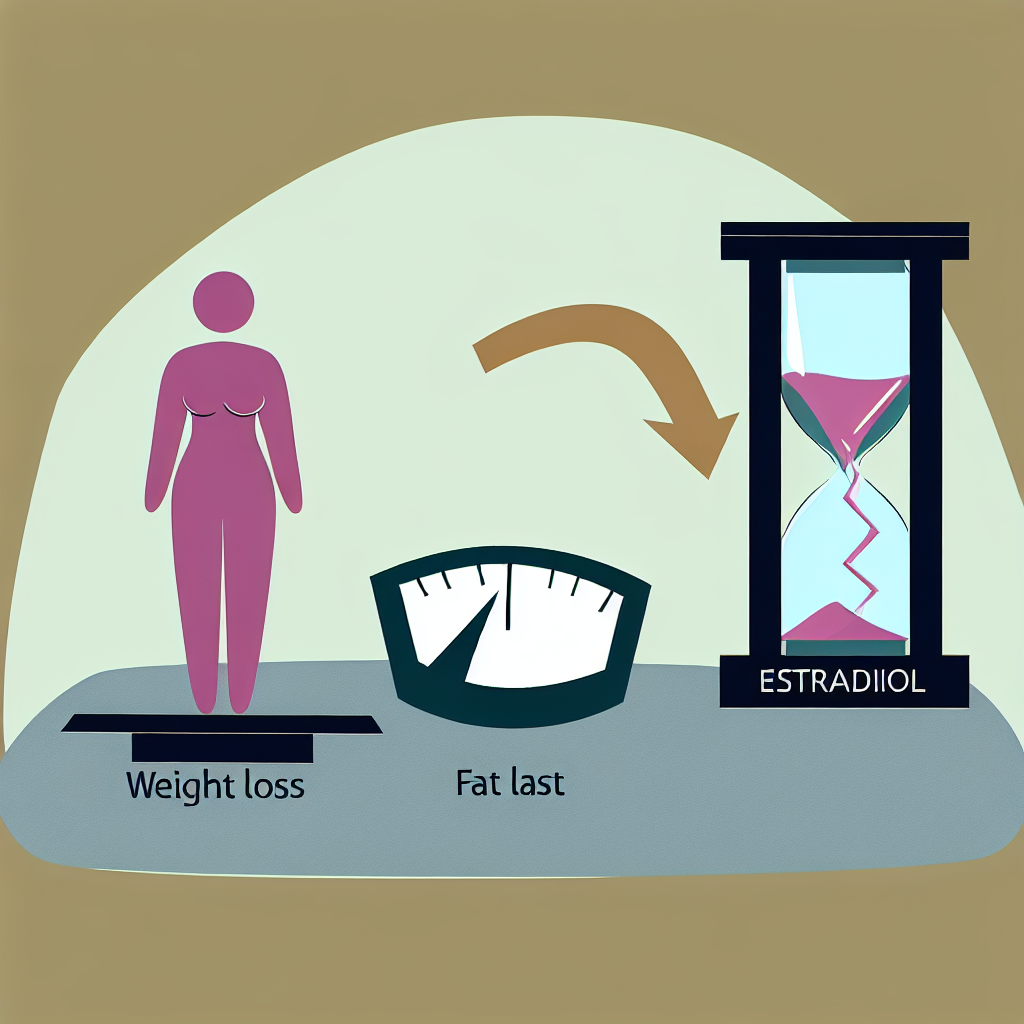
When significant fat loss occurs—particularly if you’re losing more than 15% of your total fat mass in a short time—your body also loses a key source of aromatase. This, in turn, can cause a rapid decrease in estradiol levels.
Compounding the issue, men undergoing rapid fat loss often follow strict caloric deficits and intense training regimens. These practices can further suppress both testosterone and estradiol production.
To prevent unwanted side effects like hormonal ED, it’s wise to monitor your hormone levels during your transformation journey.
Signs That Your Estradiol Might Be Too Low
Most men recognize that testosterone is critical for libido and erectile performance. However, low estradiol can present with similar symptoms—yet is often overlooked.
After significant fat loss—especially if your body fat is under 12%—watch for these warning signs:
– Erectile dysfunction or reduced sexual sensation
– Decreased libido
– Joint stiffness or muscle aches
– Dry skin or thinning hair
– Irritability or low mood
– Sleep disturbances and fatigue
Take the example of Jason, a 35-year-old software developer, who lost 30 pounds in four months through intermittent fasting and cycling. “I looked better than ever,” he said, “but began experiencing consistent ED. Labs later showed my estradiol was extremely low—something I never thought to check.”
These symptoms shouldn’t be ignored. They indicate a need for deeper evaluation beyond standard testosterone checks.
Estradiol’s Role in Male Sexual Function
While testosterone typically grabs the most attention when discussing libido and sexual performance, estradiol plays a powerful supporting role. One of its primary functions is regulating nitric oxide synthase in blood vessels—an enzyme critical for achieving and maintaining an erection.
Estradiol also impacts brain pathways, particularly dopamine systems, that influence libido, mood, and motivation. Low estrogen levels in men can lead to:
– Weak or incomplete erections
– Reduced emotional connection or sexual satisfaction
– Decreased mental sexual arousal, even with normal desire
Endocrinologist Dr. Thomas Hadley notes, “Some men present with normal testosterone and sperm production but still have ED due to low estradiol—highlighting its importance.”
How to Diagnose Hormone Imbalance After Weight Loss
If you’re experiencing ED following substantial weight loss, a testosterone test alone may not uncover the full picture. Ask your healthcare provider for a comprehensive hormone panel that includes the following:
– Total and free testosterone
– Estradiol (sensitive assay designed for males)
– SHBG (Sex Hormone Binding Globulin)
– LH and FSH (to assess pituitary function)
– Prolactin (can suppress other sex hormones if elevated)
– Thyroid panel (TSH, Free T3, Free T4)
Most general practice labs do not automatically include estradiol testing for men, so be proactive and request it specifically—look for the “sensitive estradiol assay” to ensure accuracy.
Strategies for Resolving Hormonal ED After Weight Loss
Thankfully, there are both natural and medical solutions for restoring hormonal balance if post-weight loss ED is due to low estradiol.
Lifestyle Adjustments:
– Reintroduce healthy fats like omega-3s, avocado, and olive oil to support hormonal function.
– Scale back intense exercise if overtraining may be suppressing hormones.
– Prioritize 7–9 hours of quality sleep per night, as sleep deprivation can directly affect hormone production.
Medical Interventions:
– Testosterone Replacement Therapy (TRT): Can help raise both testosterone and estradiol naturally via aromatization.
– Low-Dose Estradiol Therapy: In specific, monitored cases, physicians can prescribe microdoses of estradiol to support sexual function without causing feminization.
– Aromatase Support: Supplements containing zinc, boron, or forskolin may support aromatase activity but should only be used under medical supervision.
Before beginning any medical treatment, consult with a hormone specialist or men’s health physician to evaluate options based on lab results and symptoms.
Conclusion: Get Fit Without Sacrificing Hormonal Health
Losing body fat is beneficial for overall well-being—but it should not come at the expense of your sex drive, mood, or energy. If you’ve noticed a drop in sexual performance, drive, or vitality following significant weight loss, don’t ignore the possibility of hormonal imbalance.
Consider a complete hormone evaluation, including estradiol, and work with a qualified healthcare provider to create a plan that supports both your physical transformation and hormonal well-being.
A healthy body isn’t just lean—it’s hormonally balanced and thriving.
Reference List
– Harvard Health Publishing. (2022). “Weight loss and hormonal balance in men.” Retrieved from https://www.health.harvard.edu/
– Scally, M., M.D. (2021). “Estradiol and the Male Patient.” Hormone Health Journal, Volume 6.
– Hadley, T., M.D. (2023). “The Overlooked Hormone in Men with ED.” International Journal of Men’s Health.
– Endocrine Society. “Testosterone Therapy Guidelines.” Available at https://www.endocrine.org
Share Your Experience
Have you experienced changes in libido or sexual health after a major weight loss? Share your story in the comments or reach out to a licensed provider to explore what’s happening internally and take control of your hormonal health today.