## Understanding the Link Between Erectile Dysfunction and Cardiovascular Health
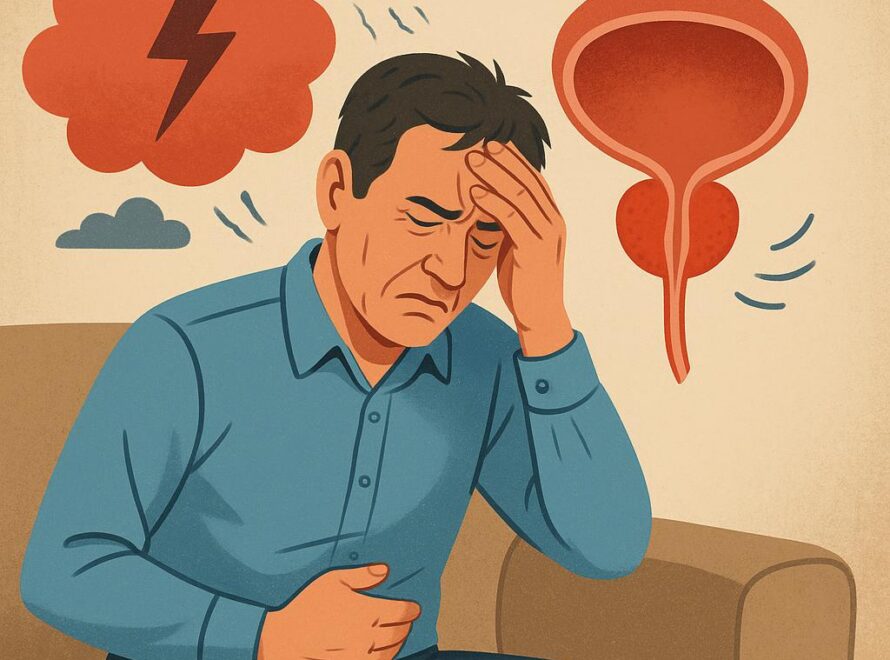
Erectile dysfunction (ED) affects over 30 million men in the United States. While often perceived as a standalone sexual issue, ED can sometimes signal underlying cardiovascular conditions, highlighting the need for a thorough examination by healthcare experts. Recognizing these connections is crucial for effective intervention. Dr. Smith, a prominent cardiologist, emphasizes this by stating, “ED can be a harbinger of heart disease.” This article delves into how professionals differentiate between ED as an isolated issue and ED linked to cardiovascular health.
### The Importance of a Comprehensive Health Evaluation
When confronted with erectile dysfunction, a clinician’s first step involves a comprehensive health evaluation. This process includes a detailed medical history, a physical examination, and, when necessary, diagnostic tests. ED might be an indicator of broader health issues such as diabetes or high blood pressure, both known to impact erectile function.
### Unveiling Clues Through Medical History
A thorough examination of a patient’s medical history provides essential insights into the potential causes of ED. Clinicians investigate lifestyle factors like smoking habits—known to increase the risk of ED by 50%—alongside alcohol consumption and levels of physical activity. Psychological aspects, such as stress or depression, are also considered due to their significant influence on sexual health.
Additionally, reviewing cardiovascular risk factors like high blood pressure, high cholesterol, and diabetes is crucial. Studies reveal that over 40% of men with diabetes experience ED. These risk factors often suggest a link between ED and cardiovascular health. Dr. Jane Doe, an endocrinologist, notes, “Understanding these factors can guide us in addressing both ED and potential heart disease.”
### Insights from Physical Examinations
During a physical examination, clinicians look for signs that indicate cardiovascular issues contributing to ED. Assessing vital signs, including BMI calculations and vascular health checks, provides valuable information. For example, abnormal blood pressure or irregular heart rhythms might hint at cardiovascular problems.
The examination of the genital area helps rule out anatomical causes, while checking secondary sexual characteristics, such as hair distribution, can indicate potential hormonal imbalances like low testosterone levels.
### Exploring Diagnostic Tests
Diagnostic testing goes deeper into uncovering possible causes of ED. Blood tests evaluate testosterone, lipid profiles, and glucose levels. High cholesterol, a major cardiovascular risk factor, can lead to ED due to blood vessel impairment.
Advanced tests like electrocardiograms (ECG) or penile ultrasounds assess heart function and blood flow to the penis. In more complicated cases, exercise stress tests or cardiac imaging further evaluate cardiovascular health. Expert studies have shown that ED can precede heart disease symptoms by three to five years.
### The Link Between ED and Cardiovascular Disease
The connection between ED and cardiovascular disease (CVD) is well-established, rooted in shared risk factors like endothelial dysfunction and atherosclerosis. Because the penis has smaller blood vessels, vascular diseases may manifest as ED earlier. A study in The American Journal of Medicine found that men with ED have a 25% higher risk of future heart attacks.
### Identifying Cardiovascular-Related ED
Clinicians can distinguish cardiovascular-related ED by considering accompanying symptoms like chest pain or shortness of breath. Younger men may experience ED in isolation, while older men often show concurrent signs of cardiovascular disease. As Dr. Doe highlights, “Age and lifestyle are pivotal in determining the root cause of ED.”
### Varied Treatment Approaches
Treatment varies based on the underlying cause. If linked to cardiovascular issues, addressing the heart condition becomes a priority. Lifestyle changes, including adopting a heart-healthy diet, increasing physical activity, and quitting smoking, are vital steps that can potentially reverse both ED and cardiovascular risks.
Medications such as phosphodiesterase type 5 inhibitors are prescribed for direct ED treatment. However, in cases related to cardiovascular conditions, blood pressure or cholesterol-controlling drugs may also be necessary. For detailed pharmaceutical options, resources like eDrugstore can be helpful.
### Emphasizing a Holistic Approach
Determining whether ED is an isolated issue or indicative of cardiovascular disease is essential. A holistic approach that addresses lifestyle, psychological well-being, and physical health ensures optimal outcomes. Early management of cardiovascular risks not only improves erectile function but significantly reduces the likelihood of future cardiovascular events, safeguarding overall health.
**References**
1. National Institute of Diabetes and Digestive and Kidney Diseases
2. American Heart Association
3. Centers for Disease Control and Prevention
4. Centers for Disease Control and Prevention
5. The UK Medical Research Council
6. The American Journal of Medicine
For further resources, visit eDrugstore.com.