
Does Erectile Dysfunction Link to Overall Cardiovascular Health in Your 30s?
Understanding Erectile Dysfunction in Your 30s
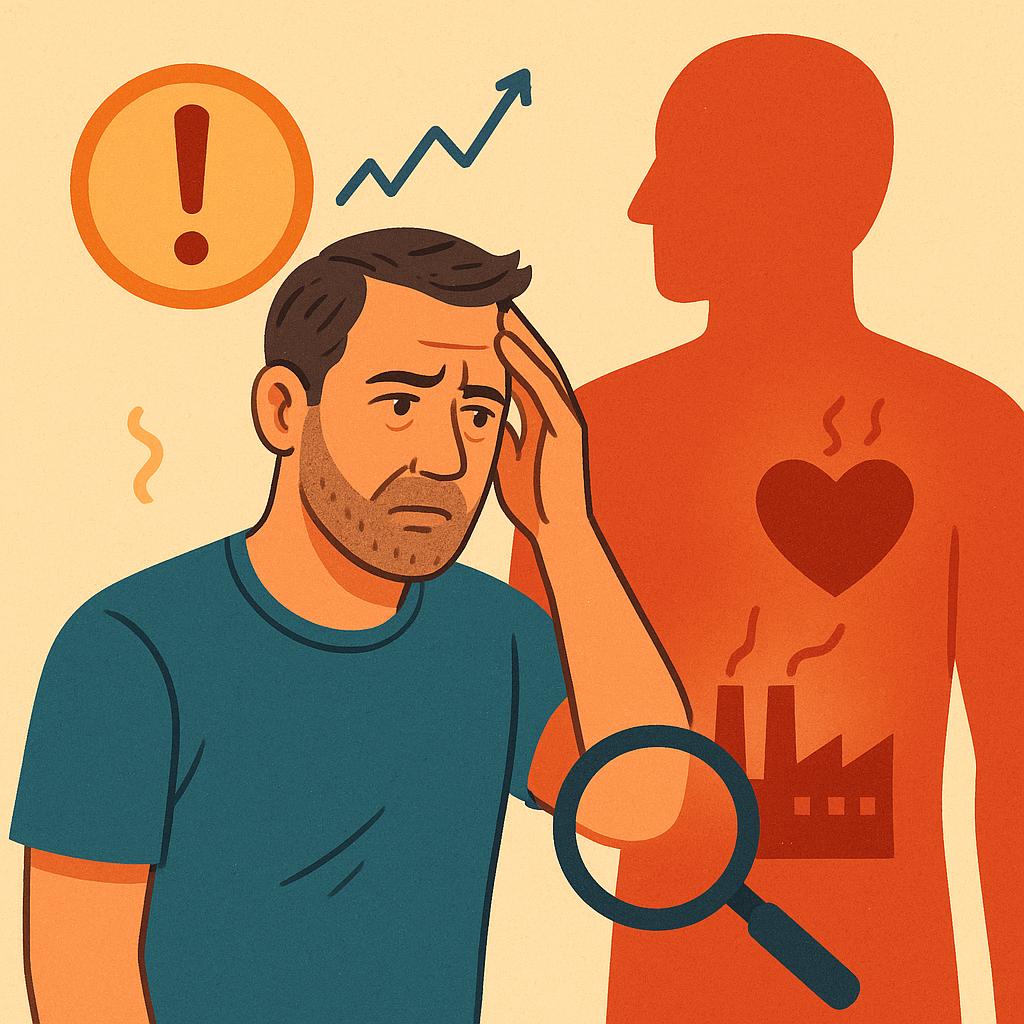
Erectile dysfunction (ED) in your 30s can be concerning and may serve as an early warning sign of broader health issues, including those related to cardiovascular health. Often dismissed as a condition affecting older men, ED is increasingly recognized as relevant for younger men, potentially indicating underlying health problems that require attention.
Link Between ED and Cardiovascular Health
Research indicates that erectile dysfunction and cardiovascular health may be interconnected. The blood vessels responsible for maintaining an erection are similar to those involved in cardiovascular health. As such, the presence of ED may reflect similar vascular issues occurring throughout the body.
ED and heart health share common risk factors, including hypertension, diabetes, high cholesterol, obesity, and smoking. These factors can contribute to the narrowing of blood vessels, reducing blood flow, and leading to ED and cardiovascular disease. In some cases, ED may precede a cardiovascular event by years, acting as a predictor of heart disease.
Diagnosing and Evaluating ED
When evaluating ED in younger men, healthcare providers often consider it an opportunity to assess cardiovascular health. Diagnostic processes may include a thorough medical history, physical exams, blood tests, and potentially more specialized cardiovascular assessments. Identifying and managing risk factors for heart disease at this stage can be crucial for preventing future complications.
Treatment and Lifestyle Modifications
Treatment for erectile dysfunction often involves addressing underlying health conditions and lifestyle changes. Managing blood pressure, blood sugar, and cholesterol levels can be essential. Medications such as phosphodiesterase type 5 inhibitors are commonly prescribed but are most effective when lifestyle factors are also optimized.
Lifestyle changes play a significant role in managing both ED and cardiovascular health. Regular exercise, a balanced diet, smoking cessation, and reducing alcohol intake can improve both erectile and cardiovascular function. Mental health and relationship factors, such as reducing stress and improving communication with partners, can also positively affect erectile function.
The Role of Telemedicine in Managing ED
Telemedicine has emerged as a valuable tool in managing erectile dysfunction, providing convenient access to healthcare professionals and enabling ongoing monitoring and support. It offers a platform for discussing sensitive health issues like ED with confidentiality and ease, ensuring patients can receive timely and appropriate care.
Conclusion
In your 30s, experiencing erectile dysfunction can be more than a concern about sexual health; it may also indicate broader cardiovascular issues. Understanding this potential link allows for proactive management of overall health, emphasizing the importance of addressing risk factors early on. By maintaining open communication with healthcare providers and utilizing resources such as telemedicine, men can better navigate these health challenges and improve their quality of life.
References
National Institute of Diabetes and Digestive and Kidney Diseases. Erectile Dysfunction.
Mayo Clinic. Erectile Dysfunction.
Cleveland Clinic. Erectile Dysfunction.
Urology Care Foundation. Erectile Dysfunction.
American Urological Association. Erectile Dysfunction.