
SEO_TITLE:
Sudden ED in Your 30s: Health Alert
SEO_DESCRIPTION:
Sudden erectile dysfunction in your 30s may indicate a health issue. Learn about potential causes, symptoms, and when to seek medical advice.
FOCUS_KEYPHRASE:
sudden erectile dysfunction in 30s
SLUG:
sudden-ed-in-30s-health-alert
SOCIAL_TITLE:
Sudden ED in Your 30s: A Health Wake-Up Call
SOCIAL_DESCRIPTION:
Experiencing sudden erectile dysfunction in your 30s? It could signal an underlying health issue. Discover possible causes and learn when to consult a physician.
WORDPRESS_TITLE:
Why Sudden Onset of ED in Your 30s Could Indicate a Health Issue
ARTICLE_HTML:
Sudden ED in Your 30s: Health Alert
Understanding Sudden Erectile Dysfunction in Your 30s
Experiencing sudden erectile dysfunction in your 30s can be concerning and may indicate an underlying health issue. While erectile dysfunction (ED) is often associated with older age groups, a sudden onset in younger men warrants medical attention. Understanding the potential causes and seeking appropriate evaluation can be crucial.
Potential Causes of Sudden Erectile Dysfunction
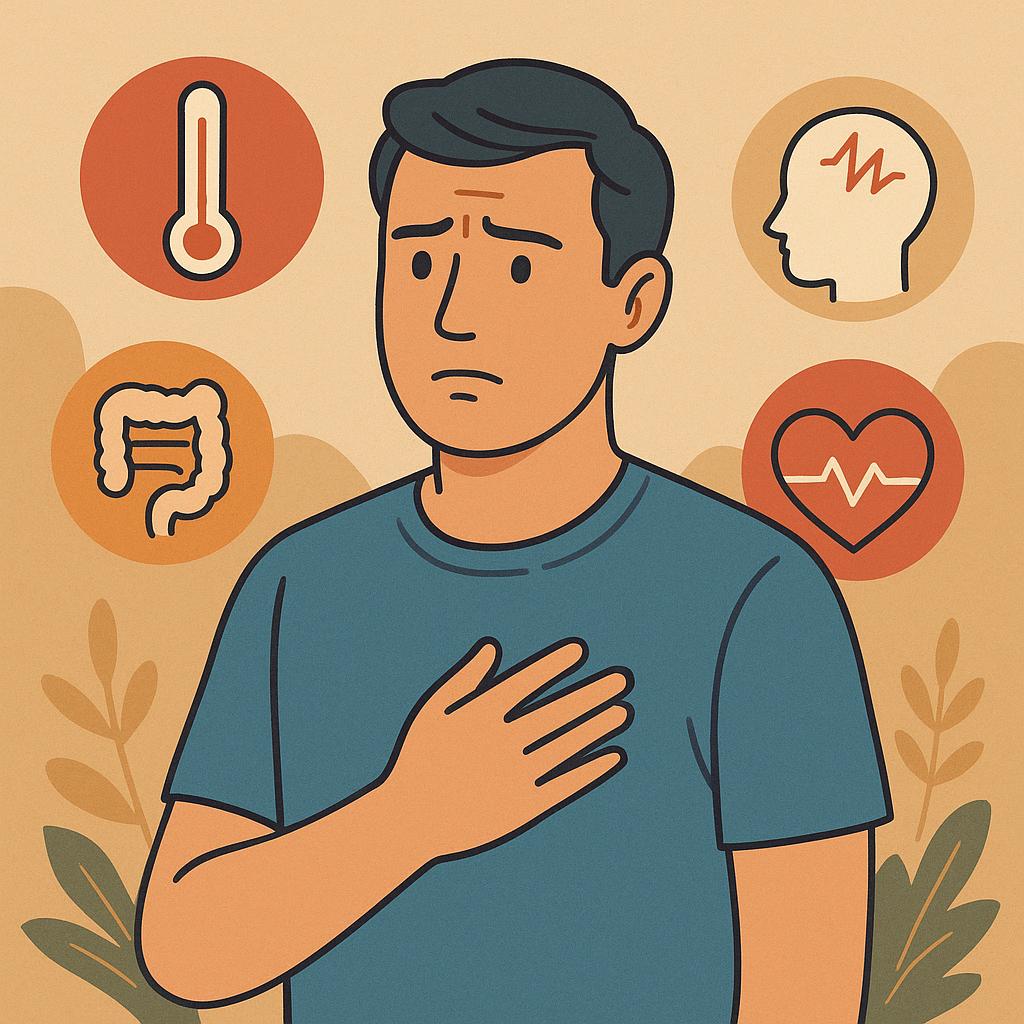
Sudden erectile dysfunction in younger men can be linked to various factors. It is essential to consider both physical and psychological causes. Physical causes may include cardiovascular issues, diabetes, hormonal imbalances, neurological disorders, and the side effects of certain medications.
Vascular conditions, such as hypertension and atherosclerosis, are significant contributors to erectile dysfunction. These conditions affect blood flow, which can impact erectile capability. Similarly, diabetes, particularly if poorly managed, is known to damage blood vessels and nerves, leading to ED.
Hormonal imbalances, such as low testosterone levels, can also contribute to erectile dysfunction. Neurological disorders, including multiple sclerosis and spinal cord injuries, interfere with nerve signals essential for an erection.
Psychological and Lifestyle Factors
Psychological factors, including stress, anxiety, and depression, play a crucial role in erectile function. Relationship problems and emotional distress can exacerbate these conditions, contributing to ED. Addressing mental health through counseling or therapy can often improve symptoms.
Lifestyle choices, such as smoking, excessive alcohol consumption, and drug use, can negatively affect blood flow and nerve function, leading to erectile issues. Adopting a healthier lifestyle by quitting smoking, reducing alcohol intake, and exercising regularly can improve erectile function.
When to Seek Medical Advice
If you experience sudden erectile dysfunction, it is essential to consult a healthcare professional. A comprehensive evaluation can help determine the root cause of the dysfunction. This evaluation typically includes a physical examination, medical history review, and possibly blood tests to assess hormone levels, blood sugar, and lipid profiles.
Doctors may also evaluate cardiovascular health to rule out conditions such as hypertension and atherosclerosis. In some cases, referral to a urologist or endocrinologist may be necessary for further specialized assessment.
Diagnosis and Treatment Options
Diagnosis of erectile dysfunction involves identifying underlying health issues contributing to the condition. Once identified, treatment focuses on managing these conditions, which may lead to improvement in erectile function. Lifestyle modifications, such as adopting a healthy diet and regular exercise, are often recommended.
In more complex cases, medications such as phosphodiesterase type 5 inhibitors (e.g., Viagra, Cialis) may be prescribed. These medications enhance erectile response by improving blood flow to the penis. However, they should only be taken after consulting with a healthcare provider.
Preventative Measures and Conclusion
Prevention of erectile dysfunction focuses on managing risk factors associated with underlying health conditions. Regular medical check-ups, maintaining a balanced diet, exercising, and abstaining from smoking and excessive alcohol can significantly reduce the risk.
In conclusion, sudden erectile dysfunction in your 30s is an important health signal that should not be ignored. Early medical intervention and lifestyle changes can not only improve erectile function but also enhance overall health and well-being.
References
National Institute of Diabetes and Digestive and Kidney Diseases. Erectile Dysfunction.
Mayo Clinic. Erectile Dysfunction.
Cleveland Clinic. Erectile Dysfunction.
American Urological Association. Erectile Dysfunction.
Centers for Disease Control and Prevention. About Sleep and Sleep Disorders.